

Ever spend ages hunting for gifts or outfits your child will actually love, only to end up with a mismatched pile that needs untangling? Making a personalised bundle can help — match items to their age, interests and daily routine so you spend less time organising and they get things they will actually use and enjoy.
In this post we'll guide you through choosing and personalising age-appropriate items, matching colours, styles and practical pairings, and wrapping and labelling bundles with clear care instructions. Use these steps to ease busy mornings, help garments last longer and make gifts that feel thoughtful and useful.

Choose and personalise items for every age and interest
Match items to your child's developmental stage and explain which skill each one helps build so you can judge whether it is a good fit. Offer concrete examples: small fiddly toys to strengthen fine motor skills, cause-and-effect toys or simple problem-solving activities to boost early cognition, and open-ended craft or role-play kits to spark creativity and social skills. Personalise by interest as well as age — for a nature lover, put together an explorer pack with a magnifying glass, simple identification cards and a scavenger hunt list; for a budding cook, try a cooking bundle with child-safe utensils, easy recipe cards and portion labels to practise measuring.
Prioritise parent-friendly features and a mix of sensory experiences so the bundle stays useful at home, on the go and at nap time. Choose items that are easy to clean, compact to store and versatile for trips or quiet moments. Use clear pouches, stackable boxes and labelled refill bags so everything is easy to find and stays organised. Combine a tactile element, a quiet focus activity and a social game, and include simple ways to scale complexity, for example by reducing puzzle pieces, introducing brief timed challenges or adding extension cards to deepen play. Finish with a one-sheet how to use, a short safety checklist covering washability, non-toxic materials and no small choking parts, plus refill ideas and a friendly note for grandparents and carers on rotating items to keep the bundle feeling fresh.
Pack organised, leakproof snacks and drinks for nursery days.
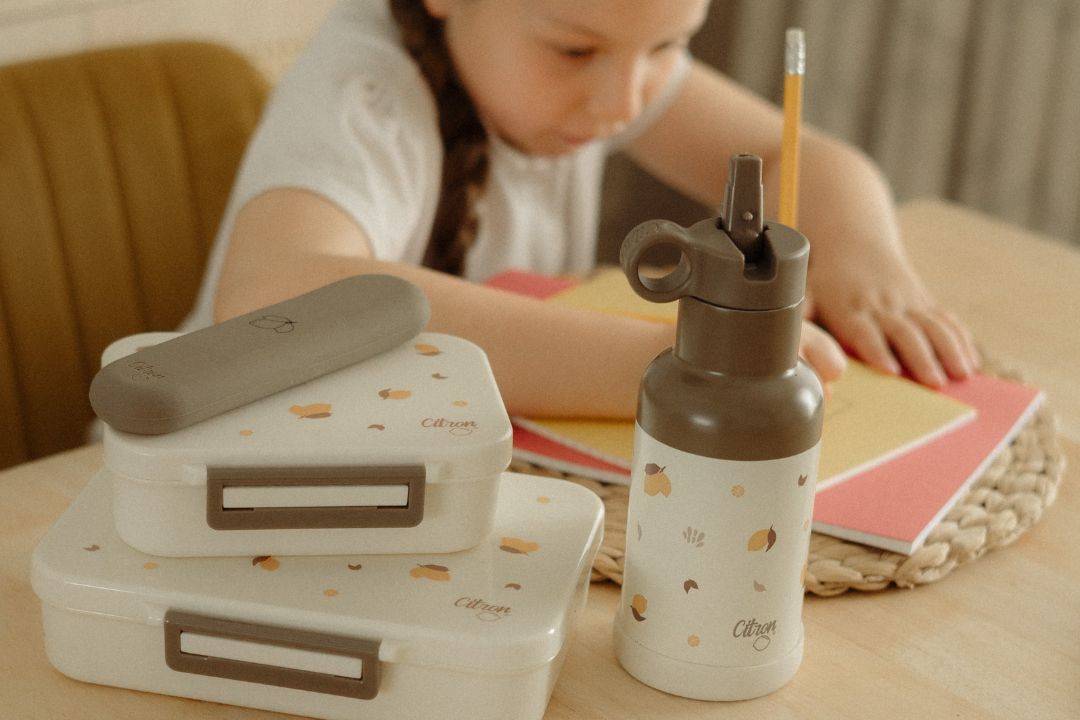
Mix colours and styles for practical, family-friendly pairings
Keep things simple by choosing a compact colour palette: three base colours and two accent shades so every top, bottom and jacket mixes and matches with minimal fuss. For example, three tops, four bottoms and two jackets can create 24 outfit combinations, showing how a small palette cuts down on morning decision fatigue. Anchor a patterned jumper or dress with plain pieces in a palette colour, and add a neutral coat to keep looks versatile for back to school, playdates and family days out.
Pick machine-washable, colourfast fabrics that dry quickly and hold their shape after many washes. Label fibre content and care instructions so carers can maintain sets with confidence. Assemble function-led bundles for routines. For back to school, choose easy-on shoes, parent-manageable fastenings and a lightweight weather layer. For parties, pack a standout top, simple bottoms and a single accessory for instant uplift. Design for growth by opting for adjustable details such as elastic waists, turn-up cuffs and extendable hems, and favour pieces that layer well to stretch wearability across seasons and reduce the total number of items needed.
Pack a coordinated, washable school set for effortless mornings.
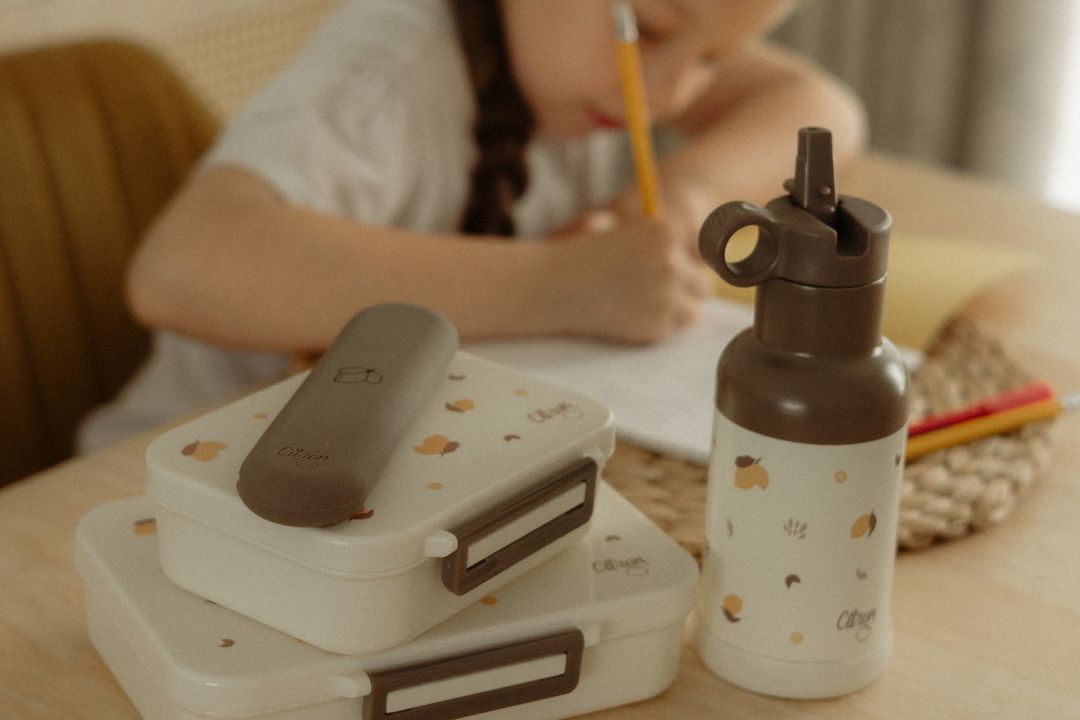
Wrap, label and add clear care instructions for packed lunches
Pack items in functional, reusable containers such as clear resealable pouches or drawstring fabric bags so carers can see contents at a glance, keep things together, and return the packaging for future use. Label every piece with the child’s name, a simple phonetic spelling if needed, and a small icon, placing labels where they will withstand washing and everyday wear to speed up sorting and reduce lost property. Add concise care guidance using standard laundry symbols plus a single line of instructions for washing, drying, stain treatment and repairs so carers can act confidently without having to guess.
Make a simple checklist for carers that includes safety and allergy information, a materials list, and clear notes on any parts that require supervision. Add an emergency contact and a straightforward pick-up protocol so handovers are simple and there is no confusion. Pack small practical extras and explain each one in a single sentence so carers know how to use them: - Spare snack bag: a sealed spare snack bag to replace lost items and keep little tummies fed. - Tiny repair kit: a small kit with needle, thread and a spare button to quickly reattach buttons or mend small tears. - Attachment clip: a clip to fasten belongings to a bag so items are less likely to be misplaced during the day. Use clear labels and practical add-ons to make it quicker to identify items, manage any incidents, and return things to the right child.
A thoughtful personalised bundle brings together age-appropriate items, interest-led choices and parent-friendly features to cut down sorting time and make it more likely children will use and enjoy what they receive. Coordinated colours, hard-wearing, machine-washable fabrics and practical pairings help items last longer and ease decision-making, while clear labelling and reusable packaging make sorting and care quicker and simpler.
Take a few simple steps to build thoughtful bundles: choose and personalise items, coordinate colours and styles, then wrap and label so they support busy carers, stand up to everyday wear and stay useful across family routines. Start with a compact colour palette, add adjustable, easy-care details, and finish with clear care notes plus a small repair kit. These little touches help bundles feel considered, last longer and make daily life that bit easier for families.