
Collection: Lunch Boxes
Pack the perfect lunch
- Designed to keep meals fresh and organised
- Leakproof & easy to open, for small hands
- Made from durable, BPA-free materials
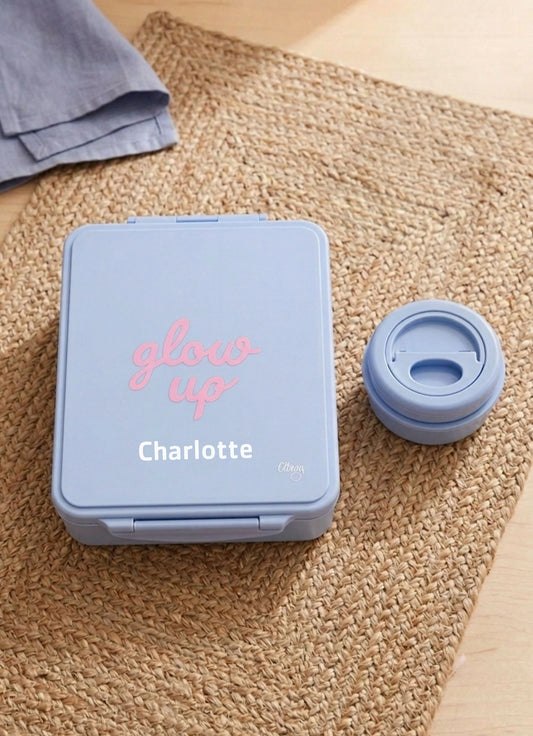
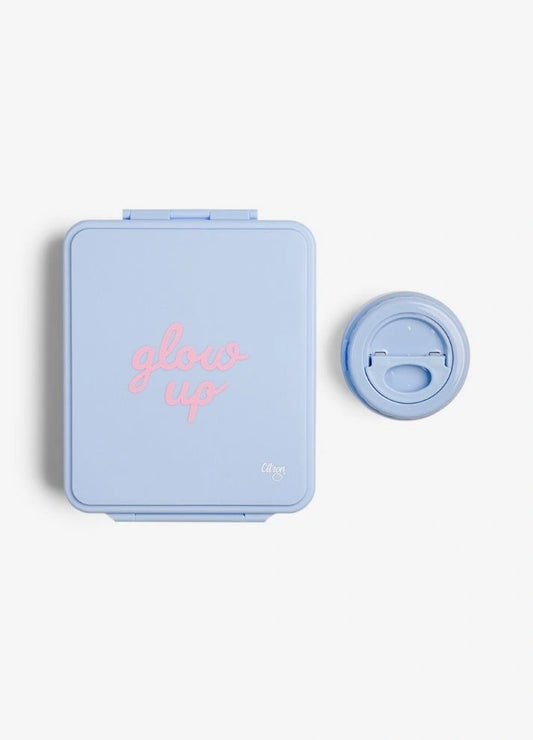
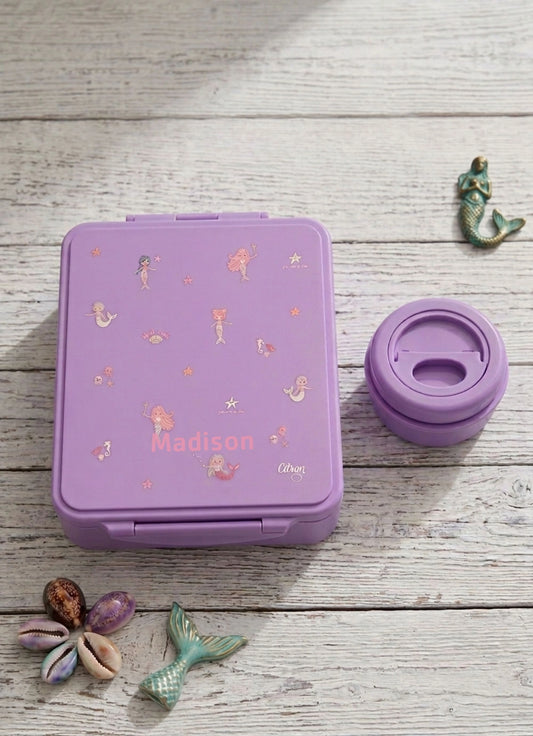
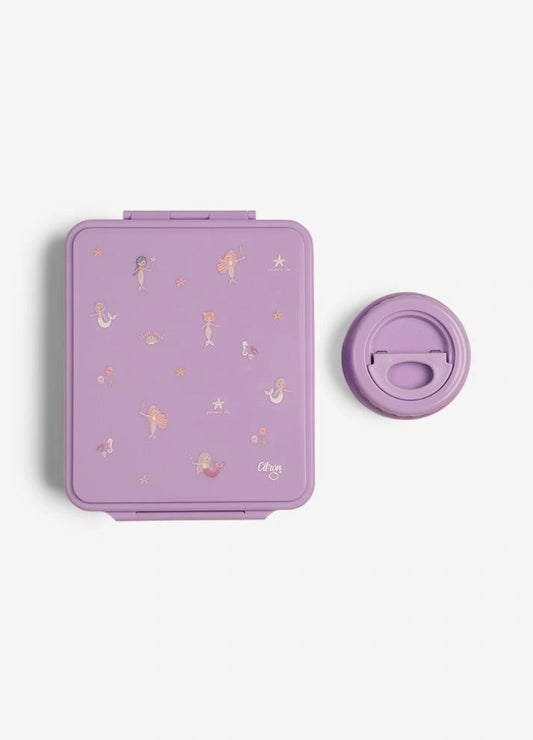
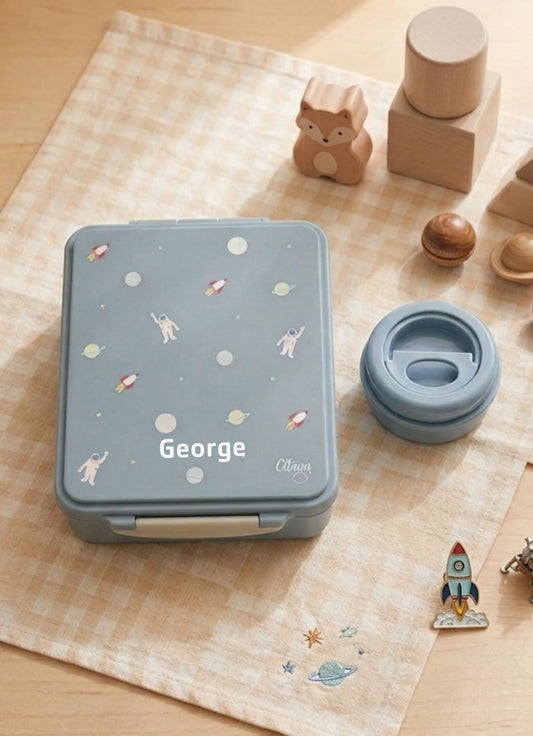
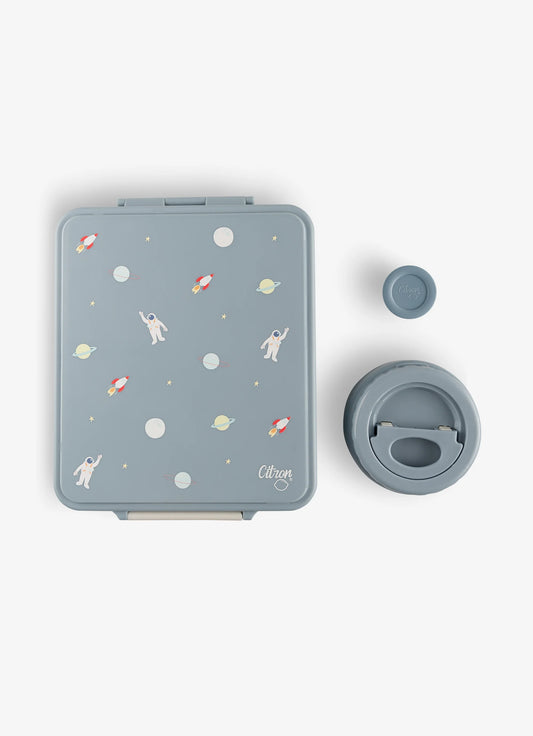
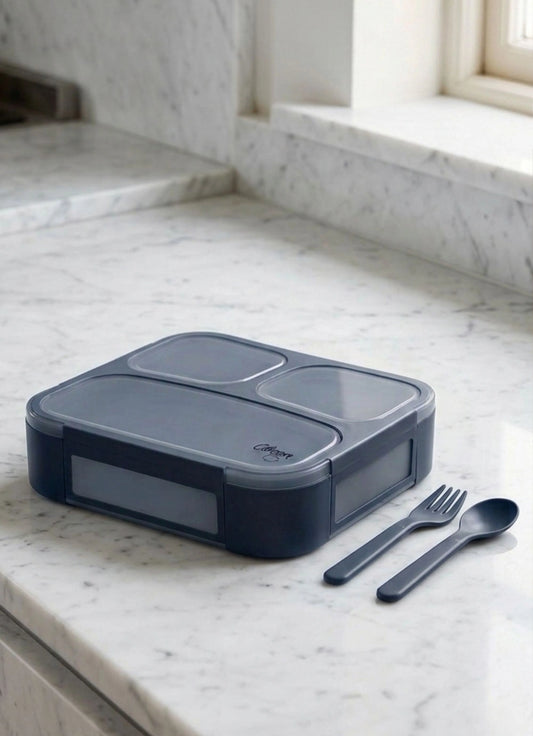
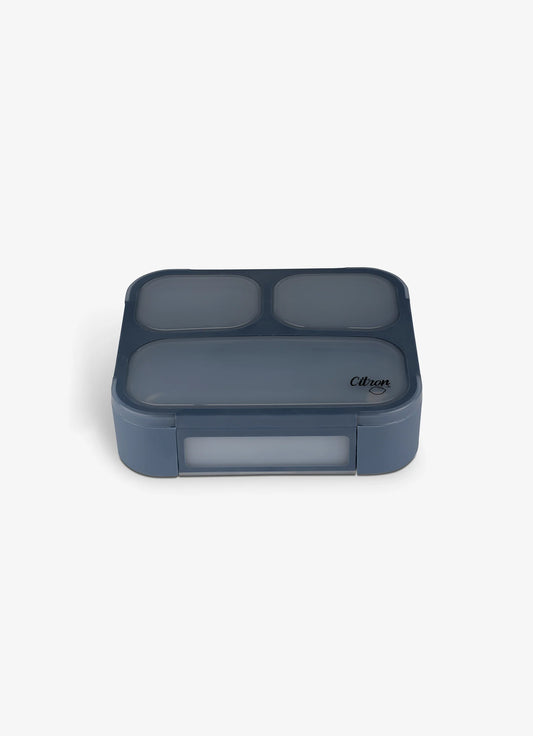
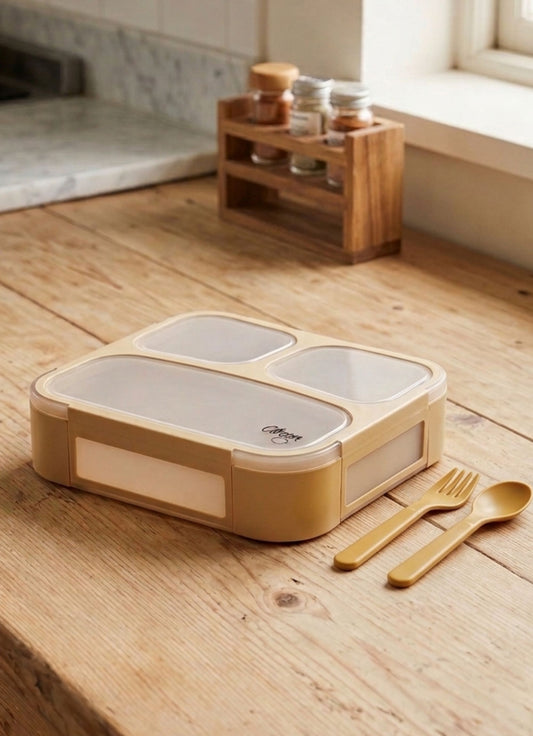
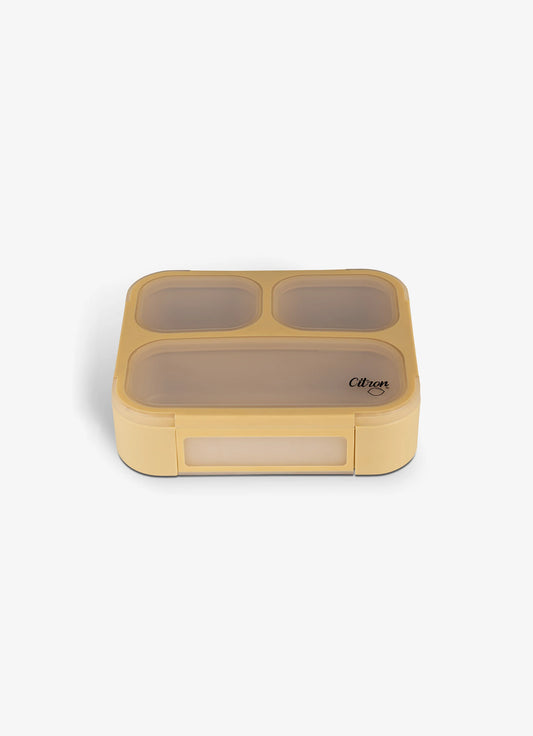
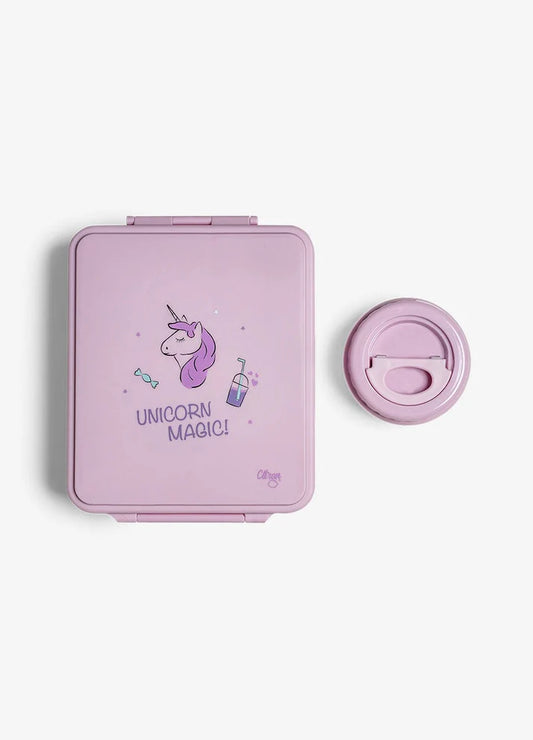
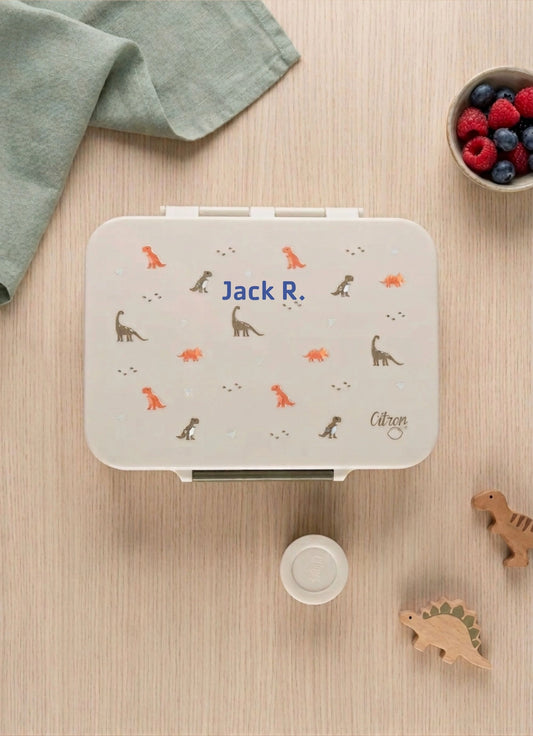
- Available in Grand Lunch Box with Food Jar, Tritan Lunch Box with Snack Pot, Rectangle Lunch Box & Bento Box

-
-
Pink
Regular price £40.00Regular priceUnit price per
-
Pink
Regular price £40.00Regular priceUnit price per
-
Multicolor / Gray
Regular price £40.00Regular priceUnit price per
-
Blue
Regular price £40.00Regular priceUnit price per
-
Blue
Regular price £40.00Regular priceUnit price per
-
Pink
Regular price £40.00Regular priceUnit price per
-
Purple
Regular price £40.00Regular priceUnit price per
-
NavySold out
Regular price £40.00Regular priceUnit price per
-
BlackSold out
Regular price £40.00Regular priceUnit price per
Regular price £40.00Regular priceUnit price per -
Pink
-
-
Blue
Regular price £40.00Regular priceUnit price per
-
Pink
Regular price £40.00Regular priceUnit price per
-
Multicolor / Gray
Regular price £40.00Regular priceUnit price per
-
Pink
Regular price £40.00Regular priceUnit price per
-
Blue
Regular price £40.00Regular priceUnit price per
-
Pink
Regular price £40.00Regular priceUnit price per
-
Purple
Regular price £40.00Regular priceUnit price per
-
NavySold out
Regular price £40.00Regular priceUnit price per
-
BlackSold out
Regular price £40.00Regular priceUnit price per
Regular price £40.00Regular priceUnit price per -
Blue
-
-
Purple
Regular price £40.00Regular priceUnit price per
-
Pink
Regular price £40.00Regular priceUnit price per
-
Multicolor / Gray
Regular price £40.00Regular priceUnit price per
-
Blue
Regular price £40.00Regular priceUnit price per
-
Pink
Regular price £40.00Regular priceUnit price per
-
Blue
Regular price £40.00Regular priceUnit price per
-
Pink
Regular price £40.00Regular priceUnit price per
-
NavySold out
Regular price £40.00Regular priceUnit price per
-
BlackSold out
Regular price £40.00Regular priceUnit price per
Regular price £40.00Regular priceUnit price per -
Purple
-
-
Blue
Regular price £40.00Regular priceUnit price per
-
Pink
Regular price £40.00Regular priceUnit price per
-
Multicolor / Gray
Regular price £40.00Regular priceUnit price per
-
Blue
Regular price £40.00Regular priceUnit price per
-
Pink
Regular price £40.00Regular priceUnit price per
-
Pink
Regular price £40.00Regular priceUnit price per
-
Purple
Regular price £40.00Regular priceUnit price per
-
NavySold out
Regular price £40.00Regular priceUnit price per
-
BlackSold out
Regular price £40.00Regular priceUnit price per
Regular price £40.00Regular priceUnit price per -
Blue
-
Regular price £12.00Regular priceUnit price per
-
Regular price £12.00Regular priceUnit price per
-
-
Pink
Regular price £40.00Regular priceUnit price per
-
Pink
Regular price £40.00Regular priceUnit price per
-
Multicolor / Gray
Regular price £40.00Regular priceUnit price per
-
Blue
Regular price £40.00Regular priceUnit price per
-
Pink
Regular price £40.00Regular priceUnit price per
-
Blue
Regular price £40.00Regular priceUnit price per
-
Purple
Regular price £40.00Regular priceUnit price per
-
NavySold out
Regular price £40.00Regular priceUnit price per
-
BlackSold out
Regular price £40.00Regular priceUnit price per
Regular price £40.00Regular priceUnit price per -
Pink
-
-
Blue
Regular price £29.95Regular priceUnit price per
-
Pink
Regular price £29.95Regular priceUnit price per
-
Beige
Regular price £29.95Regular priceUnit price per
-
Animal / Beige
Regular price £29.95Regular priceUnit price per
-
Beige
Regular price £29.95Regular priceUnit price per
-
Green
Regular price £29.95Regular priceUnit price per
-
Black / Gray
Regular price £22.45Regular priceUnit price per
£29.95Sale price £22.45 -
Yellow
Regular price £22.45Regular priceUnit price per
£29.95Sale price £22.45 -
Pink / Animal
Regular price £29.95Regular priceUnit price per
Regular price £29.95Regular priceUnit price per -
Blue
-
-
Pink
Regular price £40.00Regular priceUnit price per
-
Multicolor / Gray
Regular price £40.00Regular priceUnit price per
-
Blue
Regular price £40.00Regular priceUnit price per
-
Pink
Regular price £40.00Regular priceUnit price per
-
Blue
Regular price £40.00Regular priceUnit price per
-
Pink
Regular price £40.00Regular priceUnit price per
-
Purple
Regular price £40.00Regular priceUnit price per
-
NavySold out
Regular price £40.00Regular priceUnit price per
-
BlackSold out
Regular price £40.00Regular priceUnit price per
Regular price £40.00Regular priceUnit price per -
Pink
-
-
Animal / Beige
Regular price £29.95Regular priceUnit price per
-
Pink
Regular price £29.95Regular priceUnit price per
-
Beige
Regular price £29.95Regular priceUnit price per
-
Beige
Regular price £29.95Regular priceUnit price per
-
Green
Regular price £29.95Regular priceUnit price per
-
Blue
Regular price £29.95Regular priceUnit price per
-
Black / Gray
Regular price £22.45Regular priceUnit price per
£29.95Sale price £22.45 -
Yellow
Regular price £22.45Regular priceUnit price per
£29.95Sale price £22.45 -
Pink / Animal
Regular price £29.95Regular priceUnit price per
Regular price £29.95Regular priceUnit price per -
Animal / Beige
-
-
Pink / Animal
Regular price £29.95Regular priceUnit price per
-
Pink
Regular price £29.95Regular priceUnit price per
-
Beige
Regular price £29.95Regular priceUnit price per
-
Animal / Beige
Regular price £29.95Regular priceUnit price per
-
Beige
Regular price £29.95Regular priceUnit price per
-
Green
Regular price £29.95Regular priceUnit price per
-
Blue
Regular price £29.95Regular priceUnit price per
-
Black / Gray
Regular price £22.45Regular priceUnit price per
£29.95Sale price £22.45 -
Yellow
Regular price £22.45Regular priceUnit price per
£29.95Sale price £22.45
Regular price £29.95Regular priceUnit price per -
Pink / Animal
-
-
Green
Regular price £29.95Regular priceUnit price per
-
Pink
Regular price £29.95Regular priceUnit price per
-
Beige
Regular price £29.95Regular priceUnit price per
-
Animal / Beige
Regular price £29.95Regular priceUnit price per
-
Beige
Regular price £29.95Regular priceUnit price per
-
Blue
Regular price £29.95Regular priceUnit price per
-
Black / Gray
Regular price £22.45Regular priceUnit price per
£29.95Sale price £22.45 -
Yellow
Regular price £22.45Regular priceUnit price per
£29.95Sale price £22.45 -
Pink / Animal
Regular price £29.95Regular priceUnit price per
Regular price £29.95Regular priceUnit price per -
Green
-
-
Beige
Regular price £29.95Regular priceUnit price per
-
Pink
Regular price £29.95Regular priceUnit price per
-
Beige
Regular price £29.95Regular priceUnit price per
-
Animal / Beige
Regular price £29.95Regular priceUnit price per
-
Green
Regular price £29.95Regular priceUnit price per
-
Blue
Regular price £29.95Regular priceUnit price per
-
Black / Gray
Regular price £22.45Regular priceUnit price per
£29.95Sale price £22.45 -
Yellow
Regular price £22.45Regular priceUnit price per
£29.95Sale price £22.45 -
Pink / Animal
Regular price £29.95Regular priceUnit price per
Regular price £29.95Regular priceUnit price per -
Beige
-
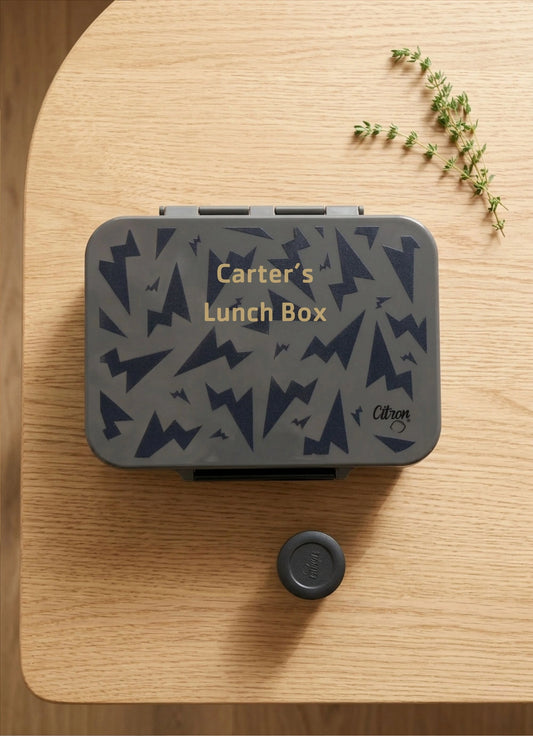
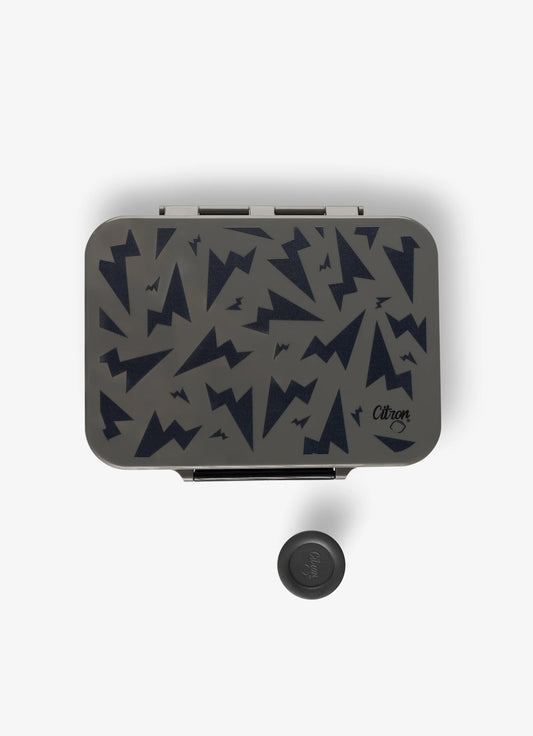 25% OFF
-
Black / Gray
Regular price £22.45Regular priceUnit price per
£29.95Sale price £22.45 -
Pink
Regular price £29.95Regular priceUnit price per
-
Beige
Regular price £29.95Regular priceUnit price per
-
Animal / Beige
Regular price £29.95Regular priceUnit price per
-
Beige
Regular price £29.95Regular priceUnit price per
-
Green
Regular price £29.95Regular priceUnit price per
-
Blue
Regular price £29.95Regular priceUnit price per
-
Yellow
Regular price £22.45Regular priceUnit price per
£29.95Sale price £22.45 -
Pink / Animal
Regular price £29.95Regular priceUnit price per
Regular price £22.45Regular priceUnit price per£29.95Sale price £22.45Limited Offer! -
Black / Gray
-
Regular price £25.00Regular priceUnit price per
-
-
Pink
Regular price £29.95Regular priceUnit price per
-
Beige
Regular price £29.95Regular priceUnit price per
-
Animal / Beige
Regular price £29.95Regular priceUnit price per
-
Beige
Regular price £29.95Regular priceUnit price per
-
Green
Regular price £29.95Regular priceUnit price per
-
Blue
Regular price £29.95Regular priceUnit price per
-
Black / Gray
Regular price £22.45Regular priceUnit price per
£29.95Sale price £22.45 -
Yellow
Regular price £22.45Regular priceUnit price per
£29.95Sale price £22.45 -
Pink / Animal
Regular price £29.95Regular priceUnit price per
Regular price £29.95Regular priceUnit price per -
Pink
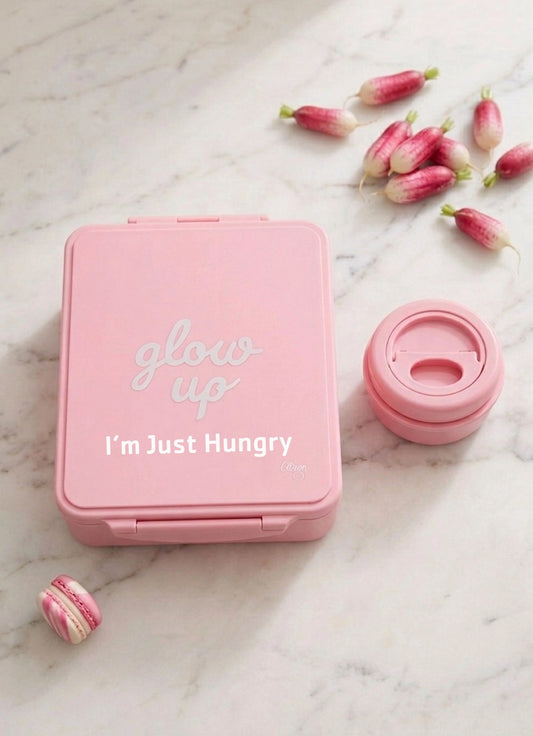





















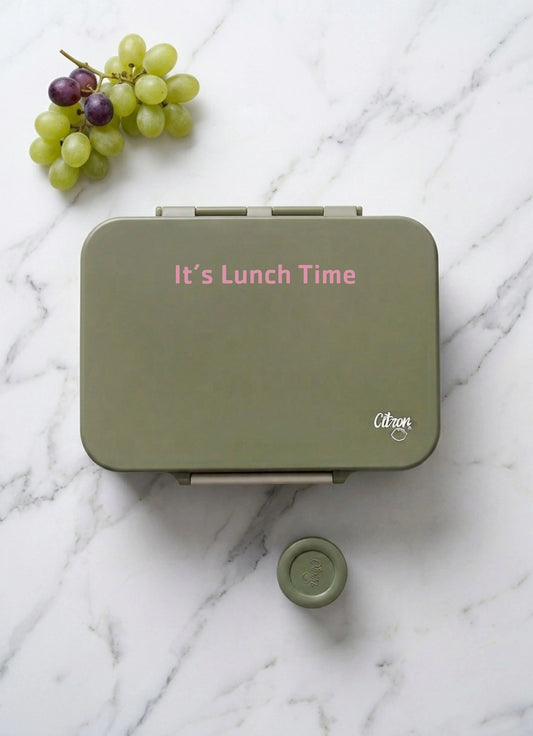




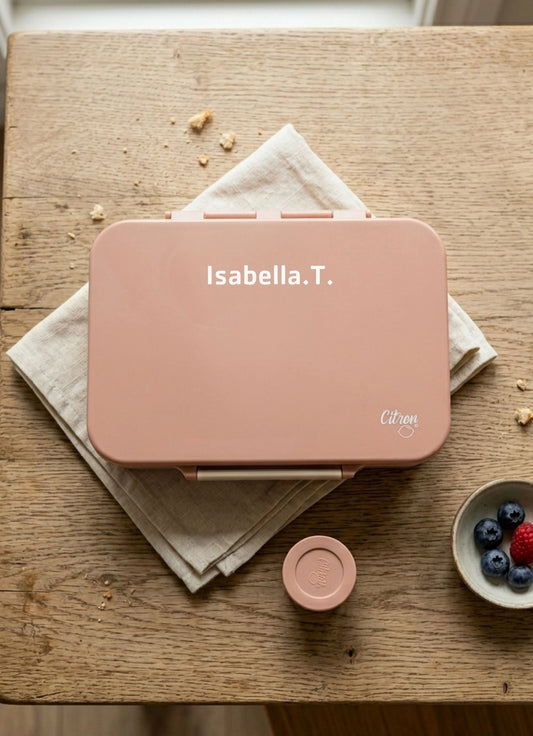

Lunch Box FAQs
What makes a good lunch box for school or nursery?
A good lunch box should be leakproof, lightweight, easy for children to open independently, and practical enough to keep meals organised and fresh throughout the day.
Which Citron lunch box should I choose?
Citron offers several lunch box styles to suit different meal needs including the Grand Lunch Box with Food Jar, Tritan Lunch Box with Snack Pot, Rectangle Lunch Box, and Bento Box. Each design offers practical compartments and storage options for school lunches, snacks, and meals on the go.
Why are compartment lunch boxes useful for children?
Lunch boxes with multiple compartments help keep foods separate, making it easier to pack balanced meals with sandwiches, fruit, vegetables, snacks, and treats without flavours mixing together.
Are Citron lunch boxes leakproof?
Yes, Citron lunch boxes are designed with leakproof features to help prevent spills and keep food fresh inside school bags, backpacks, and lunch totes.
Are Citron lunch boxes easy for little hands to open?
Citron lunch boxes are designed with child-friendly openings that help children manage lunchtime independently at nursery and school.
What materials are Citron lunch boxes made from?
Citron lunch boxes are made from durable, BPA-free materials designed for everyday family use at school, work, travel, and outdoor activities.
Are Citron lunch boxes suitable for packed lunches on the go?
Yes, Citron lunch boxes are lightweight, practical, and easy to carry, making them ideal for school lunches, picnics, travel, work meals, and family outings.

Find the perfect style for every family member
Think about who will be using the lunch box and what they can manage. For younger children, simple, leakproof lids and one-handed openings help reduce spills and save time on busy mornings. Older children and adults often prefer bento-style compartments or modular inserts to encourage portioning, variety and independence.
Match the base material and insulation to how the box will be used. Stainless steel resists odour and dents and usually holds temperature better than thin plastic, while double-wall insulation helps food stay cooler or warmer for longer. If you need to reheat food, microwave-safe, BPA-free plastic can be a practical option.
Prioritise removable dividers, separate leakproof pots and compartmented trays to keep wet and dry foods apart, stop sandwiches going soggy and make balanced portions quick and simple to assemble.
When you're preparing lunchware for school runs, work or bike rides, check how items sit in school bags, work bags or cycle panniers so clip-lock lids, secure zips and carry handles lie flat and stay put in transit. Look for wide openings and dishwasher-safe parts for easier, more thorough cleaning, and favour materials that resist staining and odour build-up so containers stay fresh over time. When durability matters, pick long-lasting, recyclable designs or items with replaceable parts to cut waste and extend their service life. A quick check now means less faff later, especially around back to school season.
Pack balanced meals with a spill-proof, bento-style lunch solution.
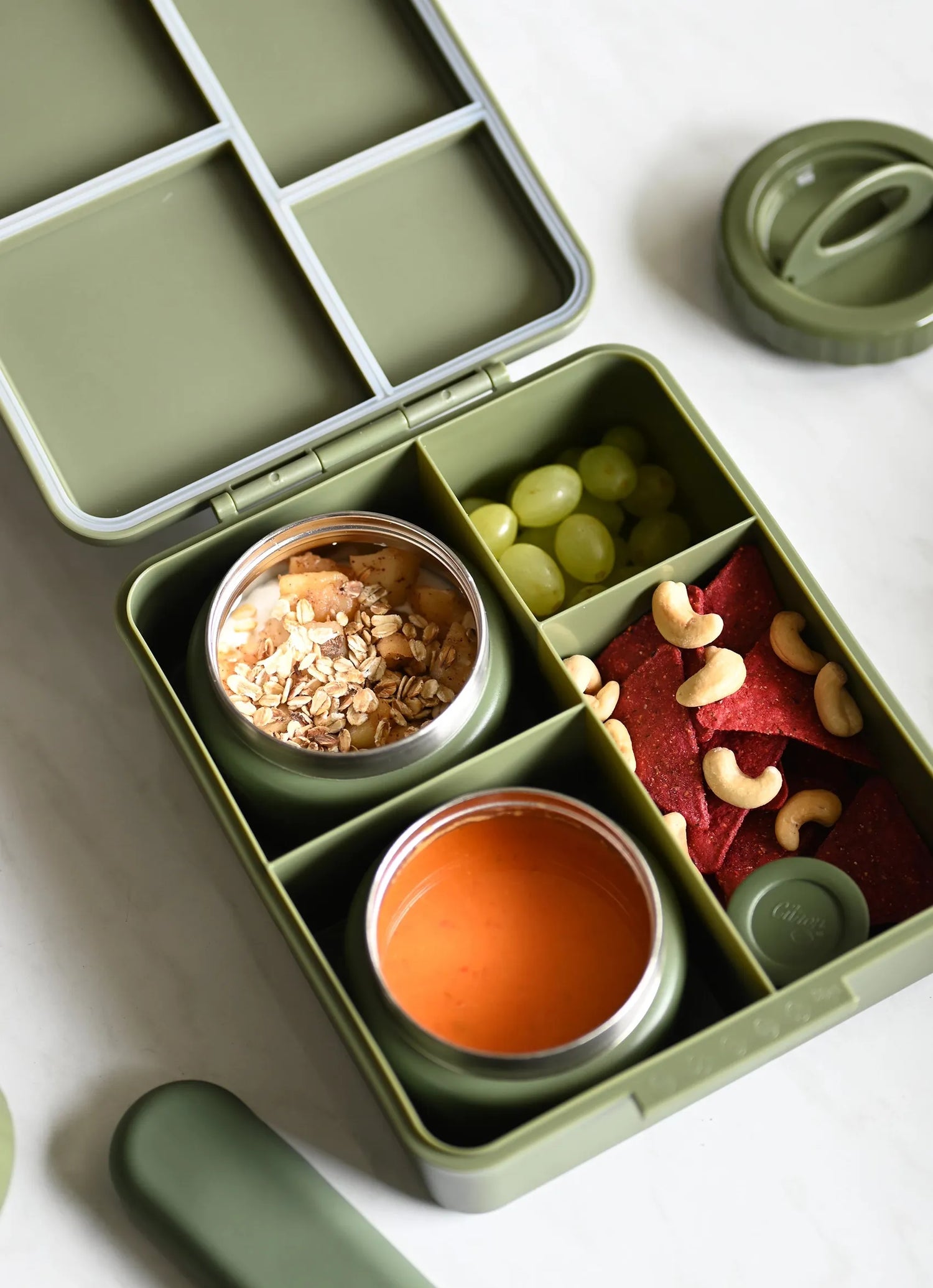
Pick features that keep kids' lunches fresh, safe and well insulated
When choosing lunchboxes or food containers, take a close look at the materials and finishes inside. Prefer non-reactive stainless steel for surfaces that resist corrosion and will not leach into food. Where weight matters, choose food-grade plastics clearly marked for food contact. Check silicone seals too — they should compress neatly to close gaps. Inspect any painted or plated finishes for chips or flaking that could trap dirt and bacteria.
Think about insulation as well. Double-wall vacuum insulation reduces heat transfer by removing the air between the walls. You can compare how well different designs hold temperature with a simple performance check using a food thermometer. Remember that insulated containers help keep chilled foods safer, but they do not cook or sterilise contents.
Prioritise secure seals and leak protection. Look for visible gaskets, positive locking clips and raised internal rims, and test lids at home with a small amount of water to spot any weak seals. Removable gaskets are handy because they can be taken out to dry properly between uses.
Match compartment size and ergonomics to the user. For little ones opt for smaller, lightweight boxes with easy one-handed openings; for adults consider multi-tier or modular systems that offer variety and flexibility.
Keep wet and dry foods apart and choose built-in utensil storage where possible. Simple portioning is far more useful than purely decorative dividers when you are packing lunches on busy mornings.
Finally, check for wide-mouth openings and components that disassemble for thorough washing. Make sure materials stand up to repeated cleaning without retaining odours, and read the product markings for freezer, microwave and dishwasher compatibility so you can plan packing and reheating safely. A few quick checks now will save you time and spills later.
![{"image_loaded": true, "load_issue": null, "people": {"count": 1, "roles": ["child", "user"], "visible_demographics": "young boy, Caucasian", "attire": "white long-sleeve shirt", "pose_or_activity": "seated at table, holding a cherry tomato, looking at the lunch box"}, "setting": {"environment_type": "indoors", "location_hints": "wooden table, patterned cushion on bench, muted wall or concrete background", "depth_scale": "medium", "lighting": "natural light, soft, diffused", "temperature": "neutral"}, "obje](http://mycitron.co.uk/cdn/shop/files/image_loaded_true_load_issue_null_people_count_1_roles_child_user_visible_demographics_young_boy_caucasian_attire_white_long_sleeve_shirt_pose_or_activity_seated_at_table_holding_a_ch_f3806177-190d-4a70-8e52-4fa343c8110f.webp?v=1771433519&width=1500)
Keep lunch boxes safe, functional and looking their best
Take removable parts apart and give them a good rinse to remove crumbs. Use a small, soft brush and a mild detergent to clean seals and crevices, then sanitise any plastic or stainless parts with a weak solution of vinegar or bicarbonate of soda. Leave lids and parts to dry with the lid open to help reduce microbial growth. When parts are dishwasher safe, place them on the top rack away from heating elements.
A few simple checks will keep lunchware fresh and safe:
- Test lids for leaks by filling compartments with water and watching for drips.
- Replace liners or compressed insulation when they become flattened, as reduced loft means poorer temperature retention.
- Use dedicated containers or washable liners to keep raw or messy items separate from ready-to-eat food.
- Keep reusable chill packs in their own pocket so they keep things cold without wetting other items, and avoid sealing in hot food that will create condensation.
- Clear grit from zips and mend small tears with stitching or fabric adhesive to stop problems getting worse.
- Store lunch boxes unzipped in a well ventilated spot to prevent mould and lingering smells.
Join us @citron.england
See how Citron works for real families, with everyday routines, lunch ideas, and school essentials.