
Collection: Tableware
Use, Reuse, Repeat!
- 100% plant-based & sustainable materials
- Safe for hot & cold foods for outdoor dining
- Lightweight, shatter-resistant & durable
- Suitable for children 6 months and up

-
Regular price £12.00Regular priceUnit price per
£16.00Sale price £12.00Limited Offer! -
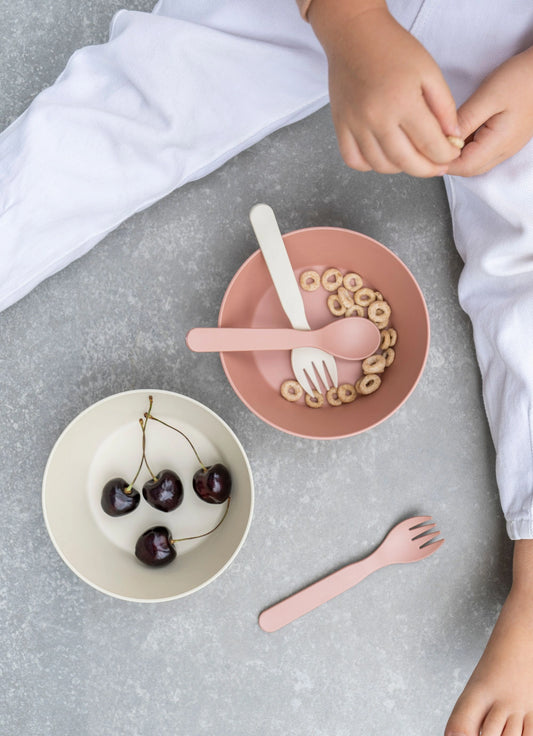
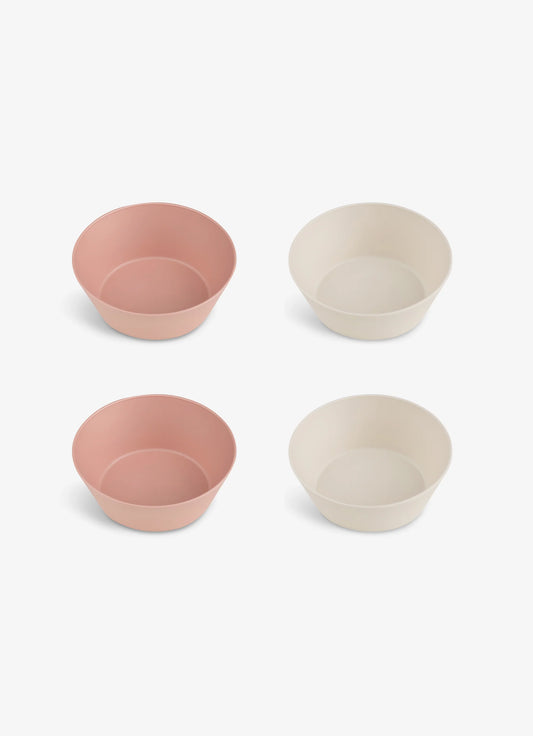 25% OFFRegular price £12.00Regular priceUnit price per
£16.00Sale price £12.00Limited Offer! -
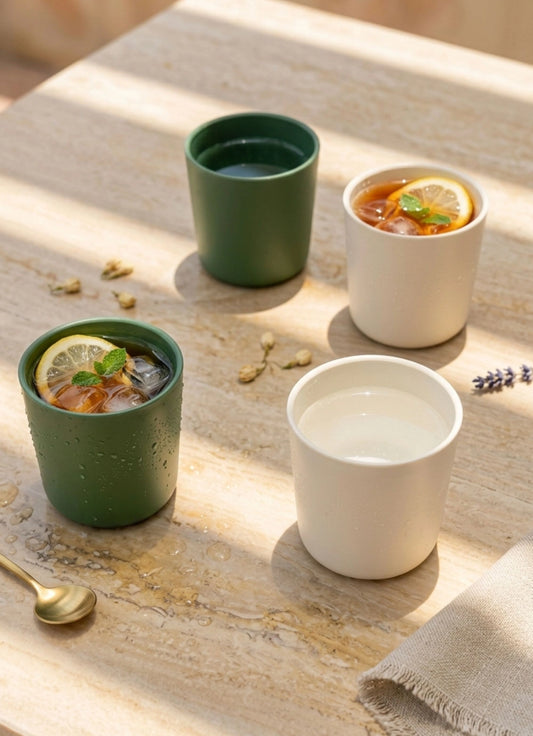
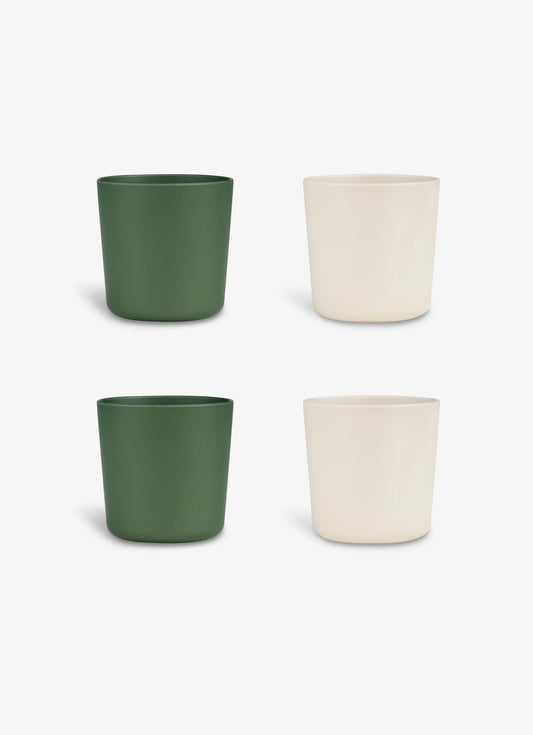 25% OFFRegular price £12.00Regular priceUnit price per
£16.00Sale price £12.00Limited Offer! -
 25% OFFRegular price £12.00Regular priceUnit price per
£16.00Sale price £12.00Limited Offer! -
Regular price £12.00Regular priceUnit price per
£16.00Sale price £12.00Limited Offer! -

 25% OFFRegular price £12.00Regular priceUnit price per
£16.00Sale price £12.00Limited Offer! -
Regular price £10.20Regular priceUnit price per
£12.00Sale price £10.20Limited Offer! -
Regular price £10.20Regular priceUnit price per
£12.00Sale price £10.20Limited Offer! -
 25% OFFRegular price £16.50Regular priceUnit price per
£22.00Sale price £16.50Limited Offer! -
 25% OFFRegular price £16.50Regular priceUnit price per
£22.00Sale price £16.50Limited Offer! -
 25% OFFRegular price £16.50Regular priceUnit price per
£22.00Sale price £16.50Limited Offer!


Tableware FAQs
What is included in a Citron tableware set?
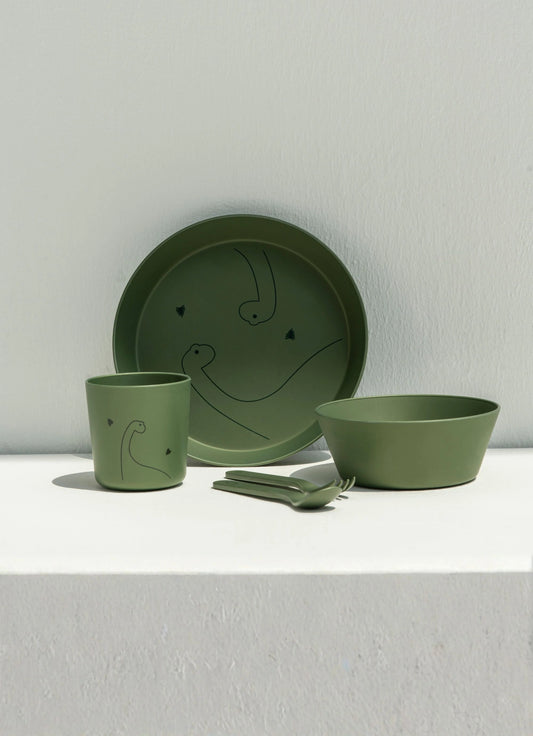
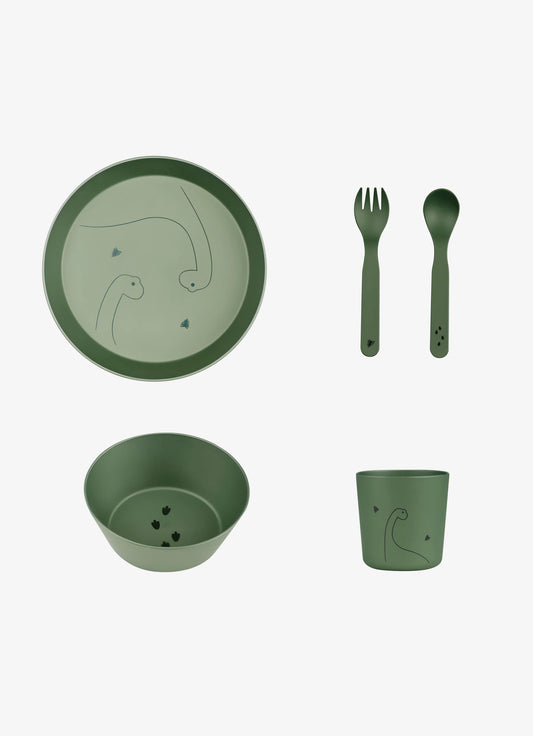
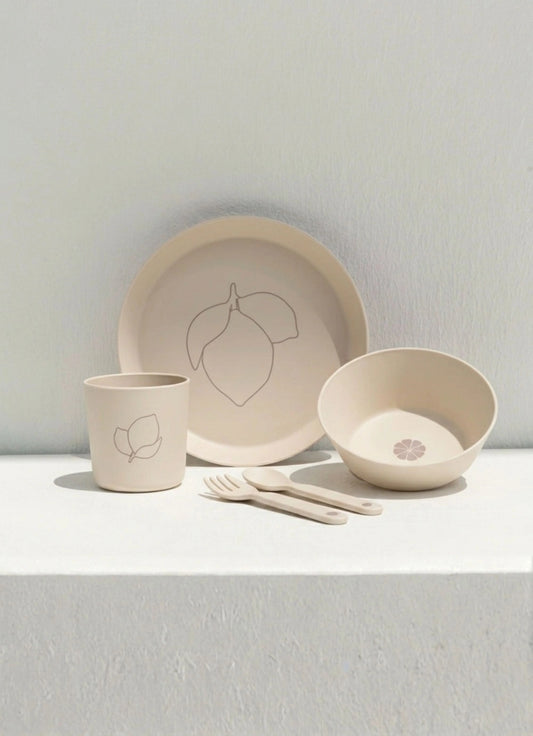
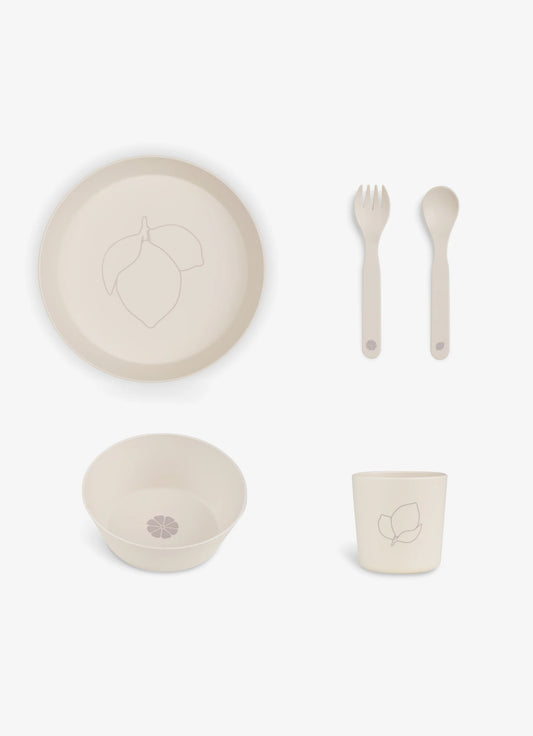
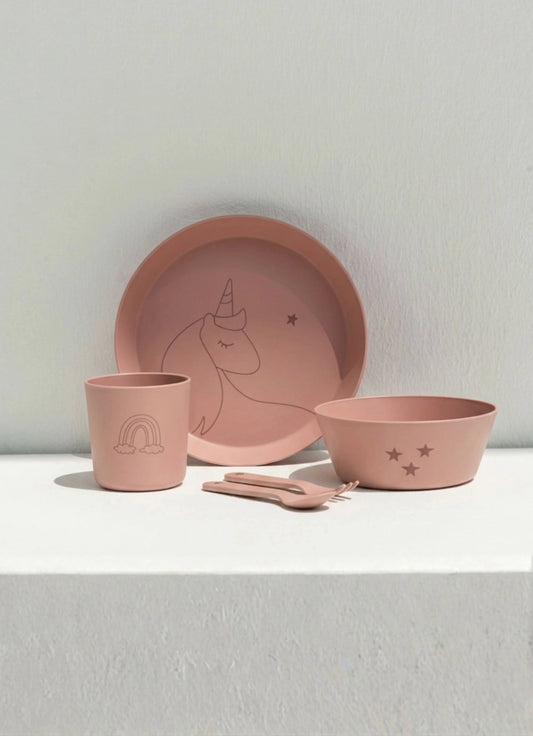
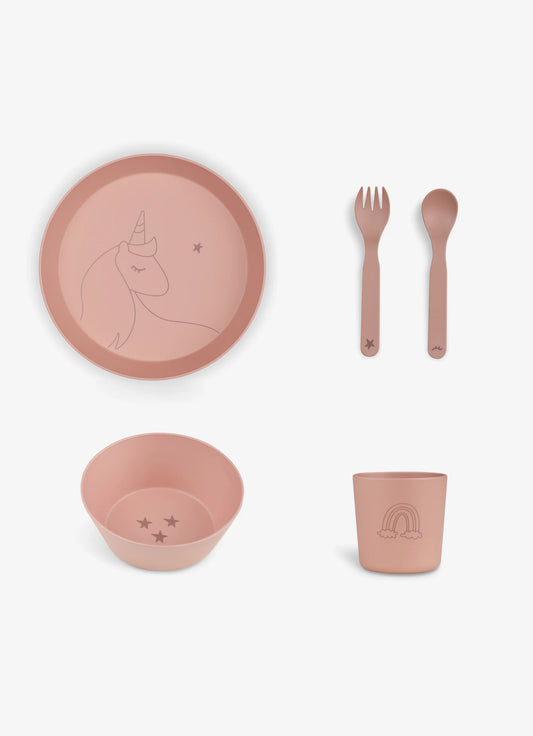
Citron tableware sets include a plate, bowl, cup, spoon, and fork to help make everyday mealtimes easier for toddlers and young children.
What age is Citron tableware suitable for?
Citron tableware is suitable for children aged 6 months and up, making it ideal for weaning, toddler meals, picnics and everyday family dining.
What materials are Citron tableware sets made from?
Citron tableware is made from 100% plant-based, sustainable materials (PLA) designed for reusable everyday use at home or on the go.
Is Citron tableware safe for hot and cold foods?
Yes, Citron tableware is suitable for both hot and cold foods and is BPA free, phthalate free, and PVC free for added peace of mind during mealtimes.
Will Citron tableware fit on a high chair tray?
Citron tableware is designed to fit most high chair trays, helping make feeding and self-feeding easier during baby and toddler mealtimes.
Is Citron tableware durable enough for everyday use?
Citron tableware is lightweight, shatter-resistant, and durable, making it practical for busy family mealtimes, travel, picnics, and daily use.
Why choose reusable tableware for children?
Reusable tableware offers an eco-conscious alternative to disposable products while remaining easy to clean and practical for everyday feeding routines.

Choose plant-based, non-toxic, shatterproof tableware
When choosing plant-based tableware, compare common materials such as bamboo fibre, bagasse, PLA and PHA. Confirm there are no additives like BPA, phthalates or heavy metals. Prioritise impact resistance and practical design by looking for impact-strength information, reinforced or thicker rims, balanced weight, rounded edges and non-slip bases to reduce breakages and spills.
Before you use any new lunchware, take a moment to check the care labels and heat tolerance. Look for whether items are rated for dishwasher cycles, microwave use or hot liquids. If a material is untested, be ready to hand-wash it or use cooler dishwasher settings to avoid damage. For stubborn marks, try a gentle paste of bicarbonate of soda and water and a soft cloth.
Think about child-friendly ergonomics when choosing utensils and plates. Opt for spoons and forks with short handles, rounded ends and silicone grips, and plates with shallow rims, divided sections or suction bases sized for little hands. These small features help reduce tipping and dropping at mealtimes.
Favour durable, reusable designs made with biodegradable materials to minimise overall environmental impact.
Choose plant-based, shatter-resistant dinnerware for little hands.

Organise coordinated sets
Choosing plant-based plates and cutlery for family packed lunches , picnics or outdoor eating starts with a simple material checklist. Common options include bamboo fibre, wheat-straw blends and bioplastics, each differing in stiffness, weight and finish.
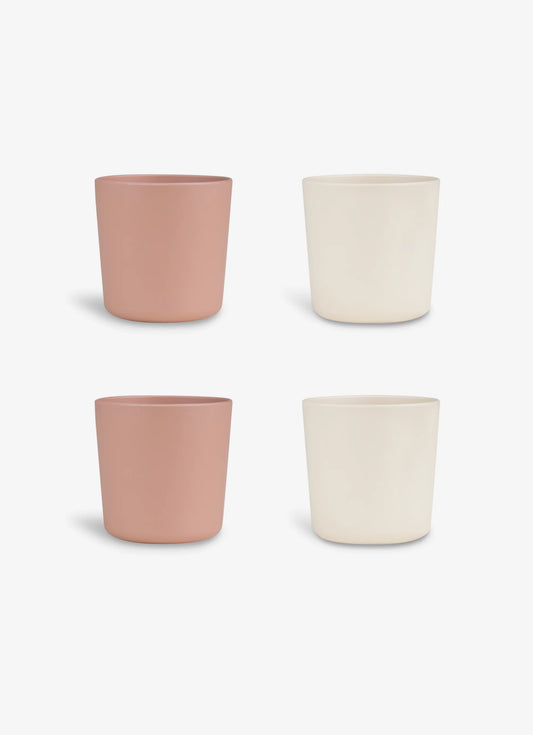
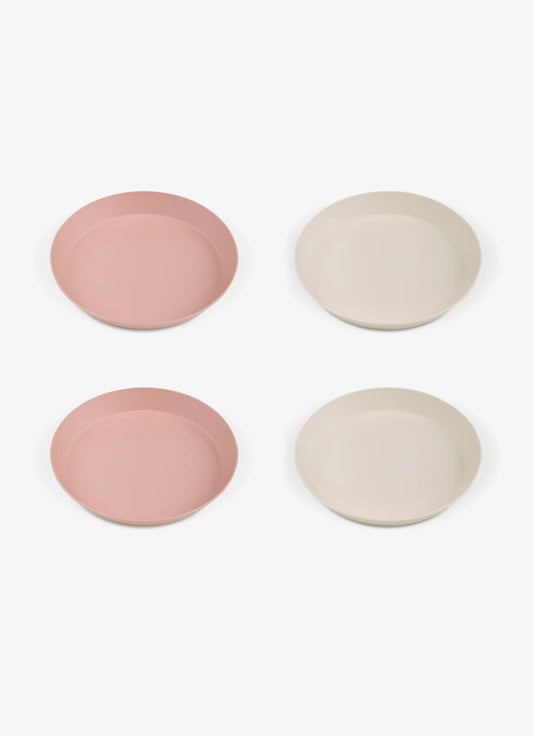
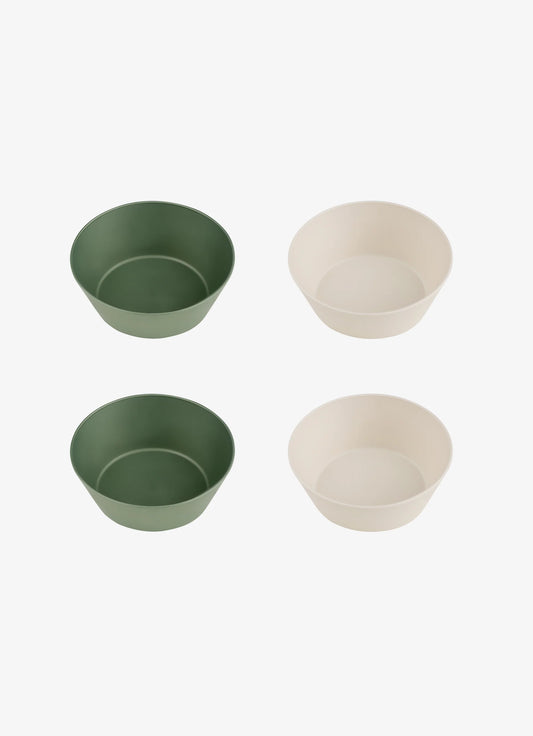
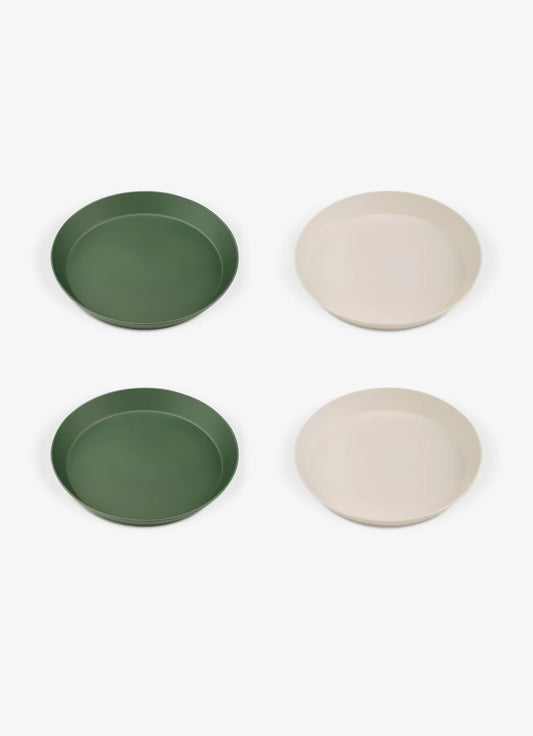
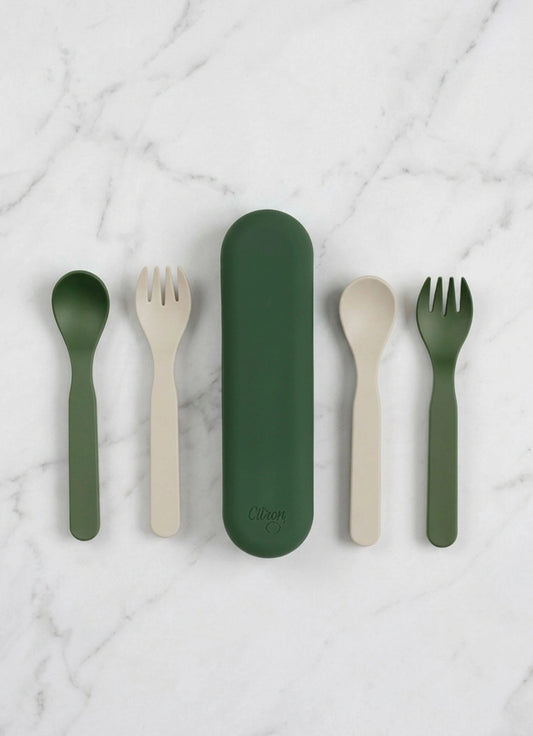
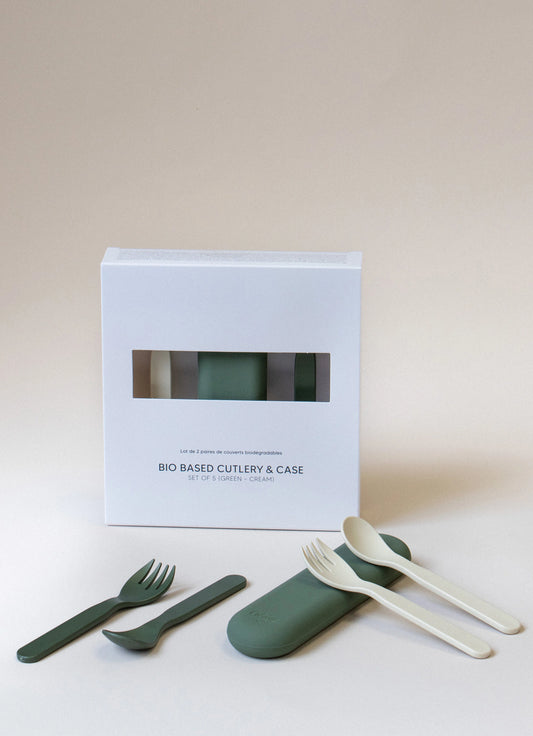
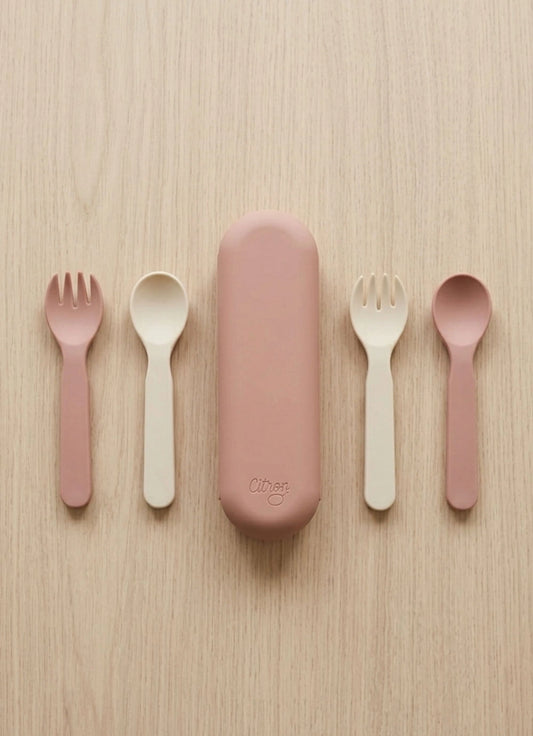
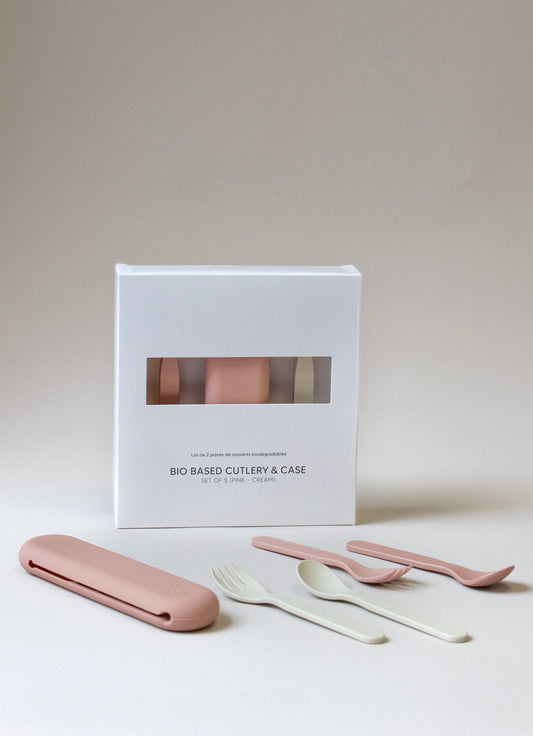
For families who like everything to look coordinated, choosing a simple colour pairing can make mealtimes feel more organised and enjoyable. Soft combinations like pink and cream or green and cream create a calm, matching set that looks great laid out on a picnic blanket or outdoor table. These colour-coordinated sets are especially useful for picnics, garden lunches, camping trips or school holiday outings, where you want something lightweight and easy to carry. They’re also a practical option for younger children, offering a more durable alternative to traditional china plates while still looking neat and put together.
Organise coordinated sets by matching plates, bowls, cups and cutlery so pieces feel balanced together. Extend usable life by rinsing food off promptly, avoiding prolonged heat exposure. Make a quick inspection part of your routine: look for hairline cracks, warping or surface crazing as signs a piece needs replacing.

Pack for picnics, garden dining, travel, and little ones
For kids, Divided or larger plates keep foods separate, shallow bowls make scooping easier, and child-sized forks and spoons with blunted tips, short handles, silicone grips or suction bases all help reduce spills and dropped items. Tuck a spare set into your bag for accidents. Those small design details help toddlers feed themselves more confidently and cut down on waste during picnics, garden meals and when travelling. Always follow the manufacturer's guidance on heat tolerance and whether items are dishwasher-safe to preserve the finish and prevent warping, and avoid abrasive scourers that can abrade plant-based composites.
A few simple habits will help save space and keep things working well. Choose nesting or stackable sets and flat-pack lids, keep cutlery snug in a roll or hard case with elastic loops or clips to stop rattling, and wrap sets in a clean tea towel or reusable bag to protect them and surfaces. For cleaning, rinse promptly after oily foods, soak stubborn stains and lift them with a paste of bicarbonate of soda or a gentle citrus rinse where appropriate, and use soft cloths rather than abrasive scourers to preserve the finish. Prefer monomaterial designs or parts that separate easily so recycling or composting is simpler, and always check whether compostable items need industrial composting facilities. When sets are still in good condition but no longer needed, donate or repurpose them to extend their life.
Join us @citron.england
See how Citron works for real families, with everyday routines, lunch ideas, and school essentials.