
Collection: Food Flasks
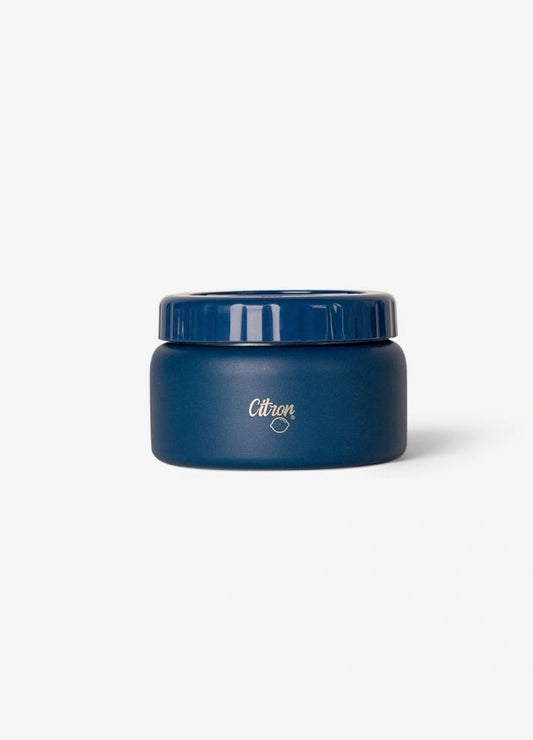
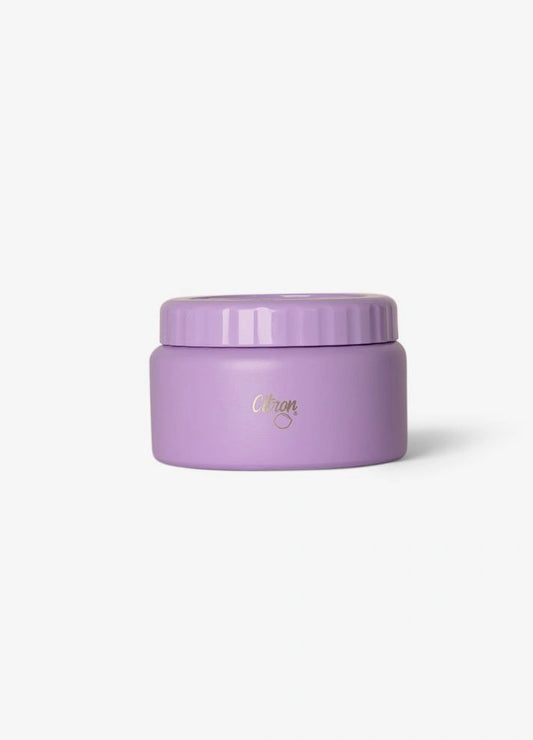
Keep meals warm & leak-free
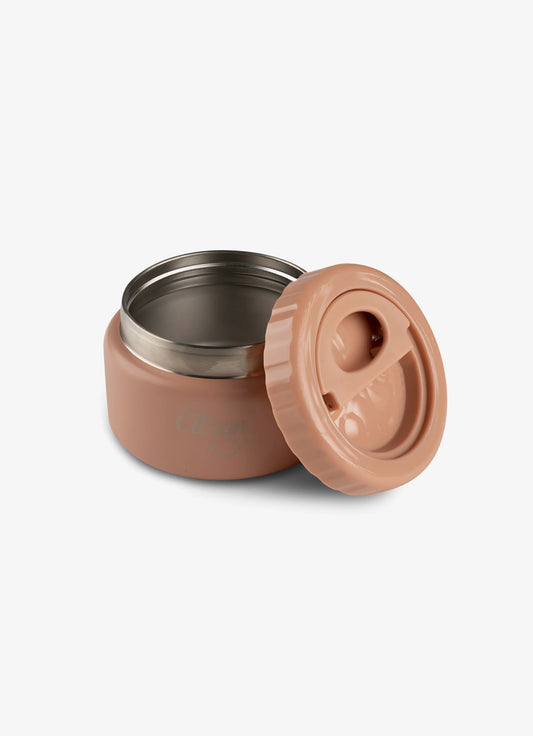
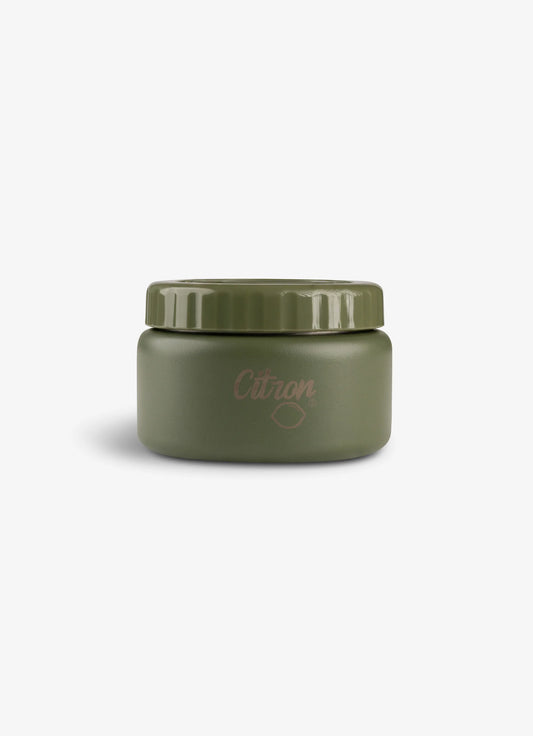
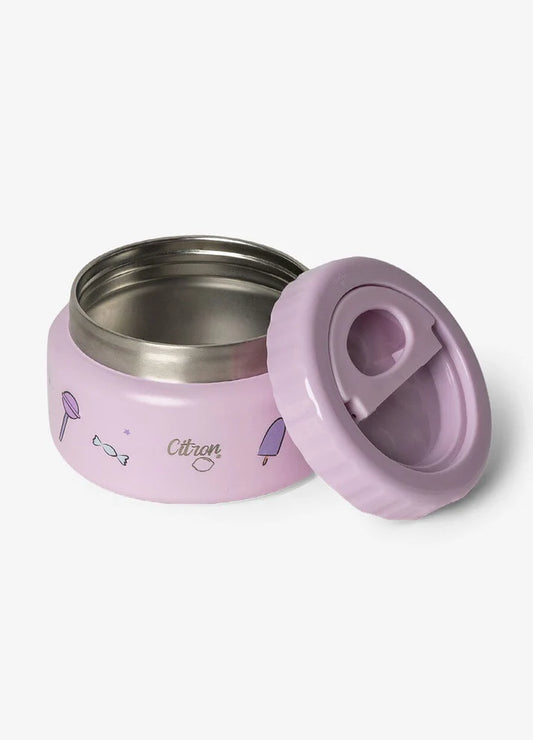
- Keeps food warm up to 6h or cold up to 7h
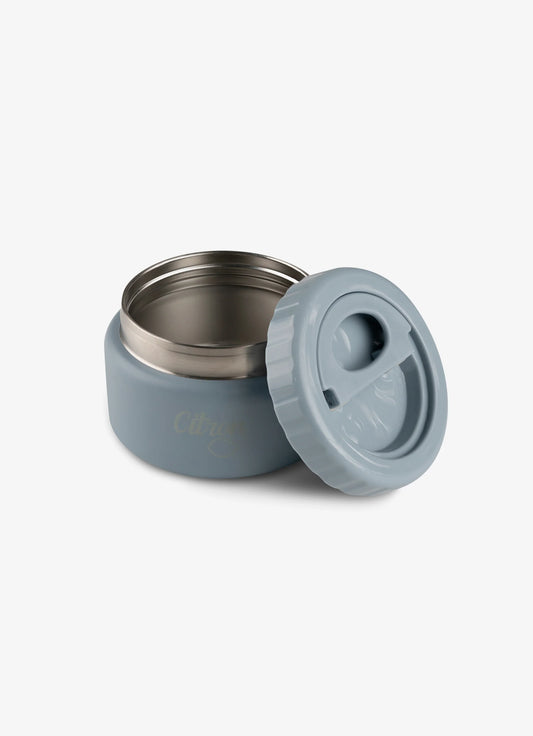
- Vacuum-sealed, leakproof lid locks in freshness
- Available in 250ml, 350ml, 400ml sizes
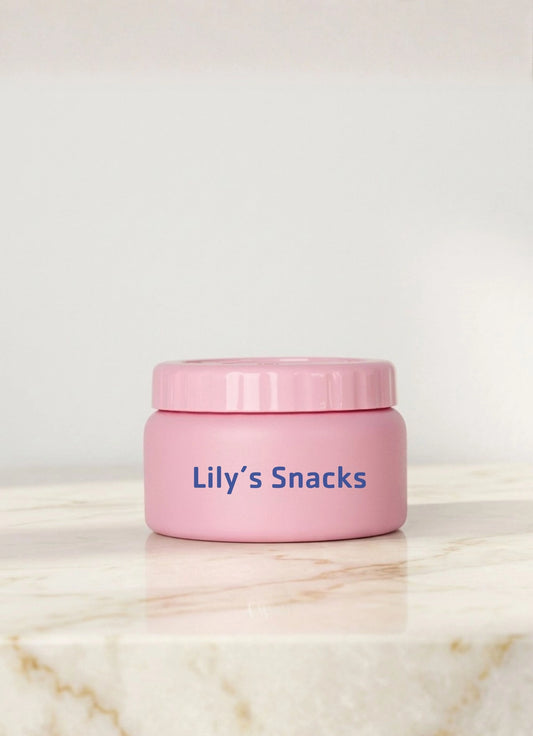
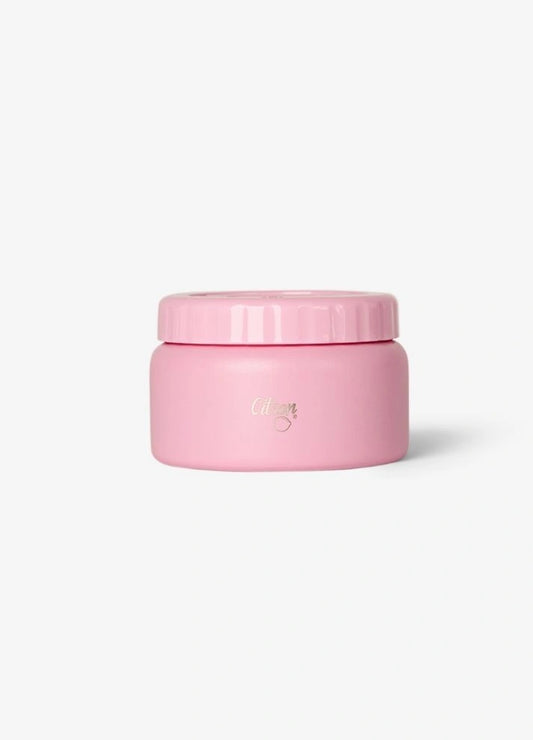
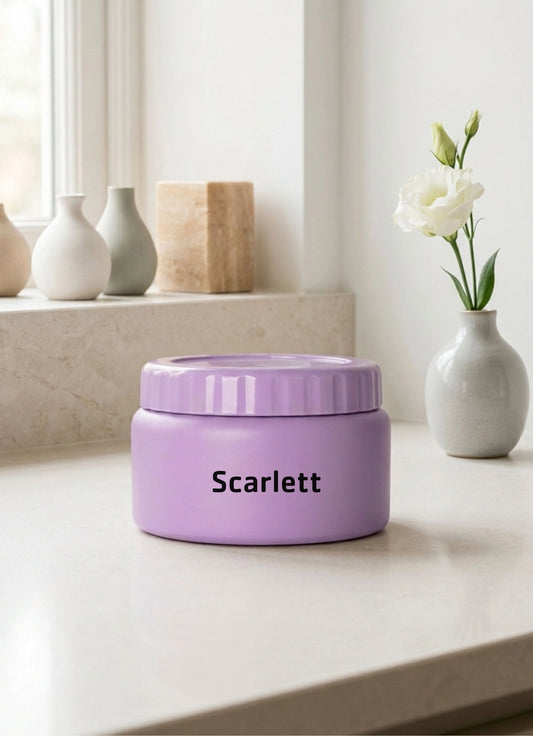
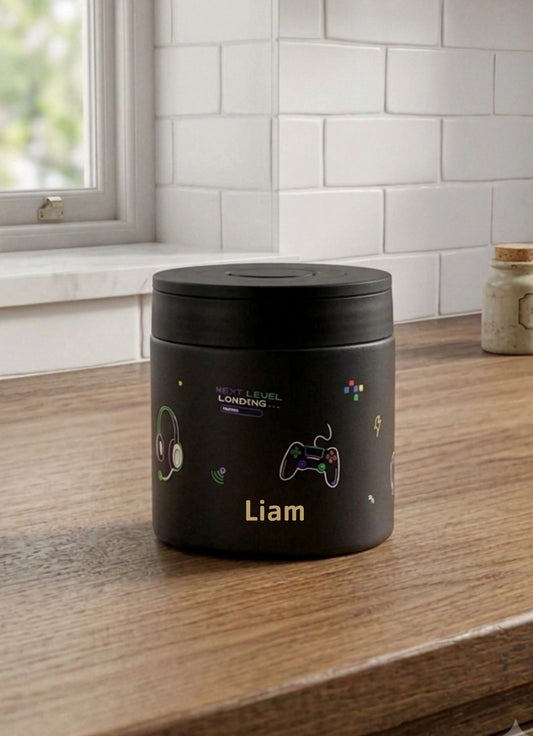
- Personalise with free sticker or engrave for £5.99

-
-
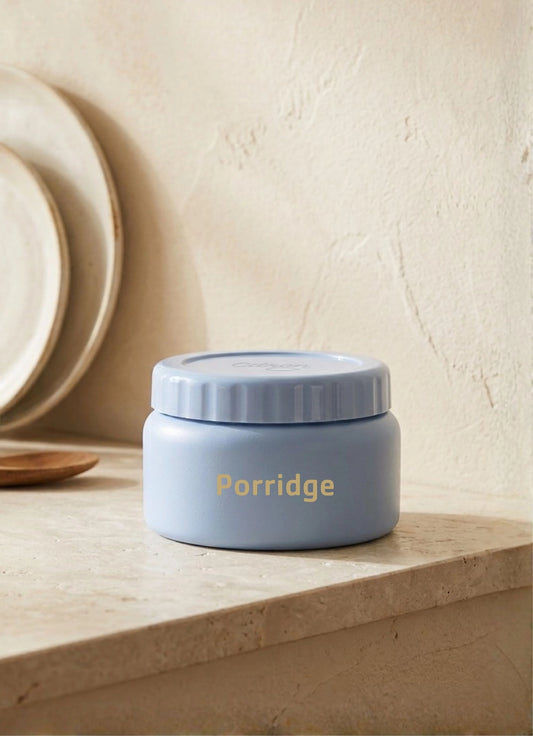
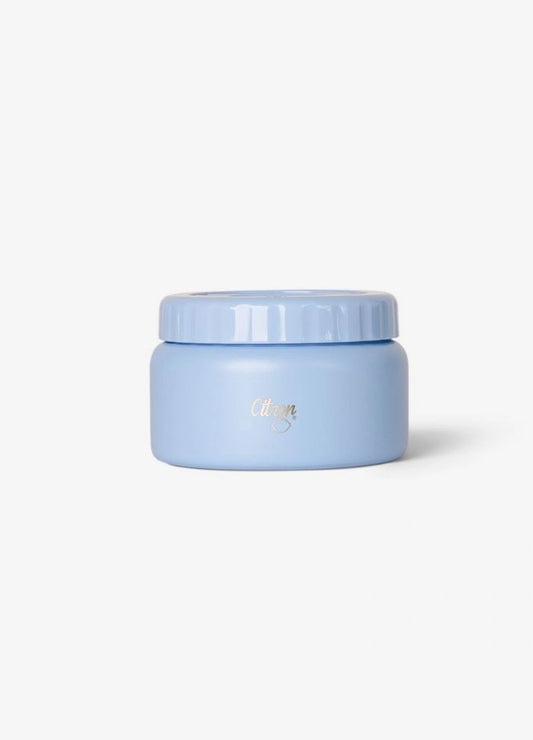
Insulated Food Flask 250ml - Baby Blue
Regular price £22.00Regular priceUnit price per
-
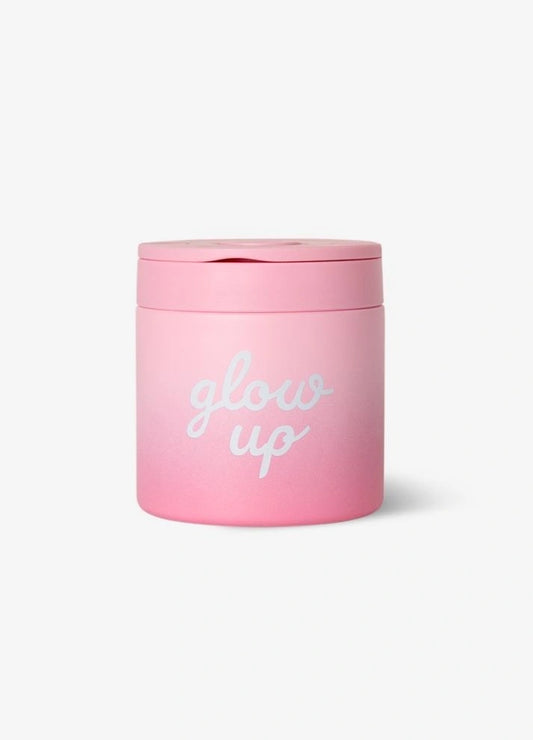
Pink
Regular price £22.00Regular priceUnit price per
-
Pink
Regular price £22.00Regular priceUnit price per
-
Blue
Regular price £22.00Regular priceUnit price per
-
Insulated Food Flask 250ml - Dusty Blue
Regular price £22.00Regular priceUnit price per
-
Green
Regular price £22.00Regular priceUnit price per
-
Insulated Food Flask 250ml - Plum
Regular price £22.00Regular priceUnit price per
-
Pink
Regular price £24.00Regular priceUnit price per
-
Purple
Regular price £22.00Regular priceUnit price per
-
BrownSold out
Regular price £22.00Regular priceUnit price per
Regular price £22.00Regular priceUnit price per -
Insulated Food Flask 250ml - Baby Blue
-
-
Pink
Regular price £22.00Regular priceUnit price per
-
Insulated Food Flask 250ml - Baby Blue
Regular price £22.00Regular priceUnit price per
-
Pink
Regular price £22.00Regular priceUnit price per
-
Blue
Regular price £22.00Regular priceUnit price per
-
Insulated Food Flask 250ml - Dusty Blue
Regular price £22.00Regular priceUnit price per
-
Green
Regular price £22.00Regular priceUnit price per
-
Insulated Food Flask 250ml - Plum
Regular price £22.00Regular priceUnit price per
-
Pink
Regular price £24.00Regular priceUnit price per
-
Purple
Regular price £22.00Regular priceUnit price per
-
BrownSold out
Regular price £22.00Regular priceUnit price per
Regular price £22.00Regular priceUnit price per -
Pink
-
-
Blue
Regular price £22.00Regular priceUnit price per
-
Insulated Food Flask 250ml - Baby Blue
Regular price £22.00Regular priceUnit price per
-
Pink
Regular price £22.00Regular priceUnit price per
-
Pink
Regular price £22.00Regular priceUnit price per
-
Insulated Food Flask 250ml - Dusty Blue
Regular price £22.00Regular priceUnit price per
-
Green
Regular price £22.00Regular priceUnit price per
-
Insulated Food Flask 250ml - Plum
Regular price £22.00Regular priceUnit price per
-
Pink
Regular price £24.00Regular priceUnit price per
-
Purple
Regular price £22.00Regular priceUnit price per
-
BrownSold out
Regular price £22.00Regular priceUnit price per
Regular price £22.00Regular priceUnit price per -
Blue
-
-
Purple
Regular price £22.00Regular priceUnit price per
-
Insulated Food Flask 250ml - Baby Blue
Regular price £22.00Regular priceUnit price per
-
Pink
Regular price £22.00Regular priceUnit price per
-
Pink
Regular price £22.00Regular priceUnit price per
-
Blue
Regular price £22.00Regular priceUnit price per
-
Insulated Food Flask 250ml - Dusty Blue
Regular price £22.00Regular priceUnit price per
-
Green
Regular price £22.00Regular priceUnit price per
-
Insulated Food Flask 250ml - Plum
Regular price £22.00Regular priceUnit price per
-
Pink
Regular price £24.00Regular priceUnit price per
-
BrownSold out
Regular price £22.00Regular priceUnit price per
Regular price £22.00Regular priceUnit price per -
Purple
-
-
Insulated Food Flask 250ml - Dusty Blue
Regular price £22.00Regular priceUnit price per
-
Insulated Food Flask 250ml - Baby Blue
Regular price £22.00Regular priceUnit price per
-
Pink
Regular price £22.00Regular priceUnit price per
-
Pink
Regular price £22.00Regular priceUnit price per
-
Blue
Regular price £22.00Regular priceUnit price per
-
Green
Regular price £22.00Regular priceUnit price per
-
Insulated Food Flask 250ml - Plum
Regular price £22.00Regular priceUnit price per
-
Pink
Regular price £24.00Regular priceUnit price per
-
Purple
Regular price £22.00Regular priceUnit price per
-
BrownSold out
Regular price £22.00Regular priceUnit price per
Regular price £22.00Regular priceUnit price per -
Insulated Food Flask 250ml - Dusty Blue
-
-
Pink
Regular price £22.00Regular priceUnit price per
-
Insulated Food Flask 250ml - Baby Blue
Regular price £22.00Regular priceUnit price per
-
Pink
Regular price £22.00Regular priceUnit price per
-
Blue
Regular price £22.00Regular priceUnit price per
-
Insulated Food Flask 250ml - Dusty Blue
Regular price £22.00Regular priceUnit price per
-
Green
Regular price £22.00Regular priceUnit price per
-
Insulated Food Flask 250ml - Plum
Regular price £22.00Regular priceUnit price per
-
Pink
Regular price £24.00Regular priceUnit price per
-
Purple
Regular price £22.00Regular priceUnit price per
-
BrownSold out
Regular price £22.00Regular priceUnit price per
Regular price £22.00Regular priceUnit price per -
Pink
-
-
Green
Regular price £22.00Regular priceUnit price per
-
Insulated Food Flask 250ml - Baby Blue
Regular price £22.00Regular priceUnit price per
-
Pink
Regular price £22.00Regular priceUnit price per
-
Pink
Regular price £22.00Regular priceUnit price per
-
Blue
Regular price £22.00Regular priceUnit price per
-
Insulated Food Flask 250ml - Dusty Blue
Regular price £22.00Regular priceUnit price per
-
Insulated Food Flask 250ml - Plum
Regular price £22.00Regular priceUnit price per
-
Pink
Regular price £24.00Regular priceUnit price per
-
Purple
Regular price £22.00Regular priceUnit price per
-
BrownSold out
Regular price £22.00Regular priceUnit price per
Regular price £22.00Regular priceUnit price per -
Green
-
-
Insulated Food Flask 250ml - Plum
Regular price £22.00Regular priceUnit price per
-
Insulated Food Flask 250ml - Baby Blue
Regular price £22.00Regular priceUnit price per
-
Pink
Regular price £22.00Regular priceUnit price per
-
Pink
Regular price £22.00Regular priceUnit price per
-
Blue
Regular price £22.00Regular priceUnit price per
-
Insulated Food Flask 250ml - Dusty Blue
Regular price £22.00Regular priceUnit price per
-
Green
Regular price £22.00Regular priceUnit price per
-
Pink
Regular price £24.00Regular priceUnit price per
-
Purple
Regular price £22.00Regular priceUnit price per
-
BrownSold out
Regular price £22.00Regular priceUnit price per
Regular price £22.00Regular priceUnit price per -
Insulated Food Flask 250ml - Plum
-
-
Pink
Regular price £24.00Regular priceUnit price per
-
Insulated Food Flask 250ml - Baby Blue
Regular price £22.00Regular priceUnit price per
-
Pink
Regular price £22.00Regular priceUnit price per
-
Pink
Regular price £22.00Regular priceUnit price per
-
Blue
Regular price £22.00Regular priceUnit price per
-
Insulated Food Flask 250ml - Dusty Blue
Regular price £22.00Regular priceUnit price per
-
Green
Regular price £22.00Regular priceUnit price per
-
Insulated Food Flask 250ml - Plum
Regular price £22.00Regular priceUnit price per
-
Purple
Regular price £22.00Regular priceUnit price per
-
BrownSold out
Regular price £22.00Regular priceUnit price per
Regular price £24.00Regular priceUnit price per -
Pink
-
-
Black
Regular price £24.95Regular priceUnit price per
-
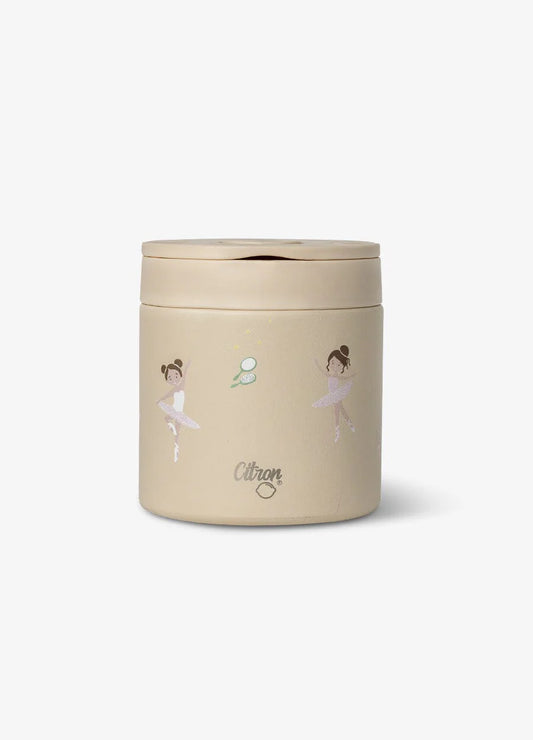
Insulated Food Flask 350ml - Ballerina
Regular price £24.95Regular priceUnit price per
-
Blue
Regular price £24.95Regular priceUnit price per
-
Blue
Regular price £24.95Regular priceUnit price per
-
Pink
Regular price £24.95Regular priceUnit price per
-
Purple
Regular price £24.95Regular priceUnit price per
-
Blue
Regular price £24.95Regular priceUnit price per
-
Pink
Regular price £24.95Regular priceUnit price per
-
Animal / Green
Regular price £24.95Regular priceUnit price per
-
Beige
Regular price £24.95Regular priceUnit price per
Regular price £24.95Regular priceUnit price per -
Black
-
-
Blue
Regular price £24.95Regular priceUnit price per
-
Insulated Food Flask 350ml - Ballerina
Regular price £24.95Regular priceUnit price per
-
Blue
Regular price £24.95Regular priceUnit price per
-
Black
Regular price £24.95Regular priceUnit price per
-
Pink
Regular price £24.95Regular priceUnit price per
-
Purple
Regular price £24.95Regular priceUnit price per
-
Blue
Regular price £24.95Regular priceUnit price per
-
Pink
Regular price £24.95Regular priceUnit price per
-
Animal / Green
Regular price £24.95Regular priceUnit price per
-
Beige
Regular price £24.95Regular priceUnit price per
Regular price £24.95Regular priceUnit price per -
Blue
-
-
Pink
Regular price £24.95Regular priceUnit price per
-
Insulated Food Flask 350ml - Ballerina
Regular price £24.95Regular priceUnit price per
-
Blue
Regular price £24.95Regular priceUnit price per
-
Black
Regular price £24.95Regular priceUnit price per
-
Blue
Regular price £24.95Regular priceUnit price per
-
Purple
Regular price £24.95Regular priceUnit price per
-
Blue
Regular price £24.95Regular priceUnit price per
-
Pink
Regular price £24.95Regular priceUnit price per
-
Animal / Green
Regular price £24.95Regular priceUnit price per
-
Beige
Regular price £24.95Regular priceUnit price per
Regular price £24.95Regular priceUnit price per -
Pink
-
-
Insulated Food Flask 350ml - Ballerina
Regular price £24.95Regular priceUnit price per
-
Blue
Regular price £24.95Regular priceUnit price per
-
Black
Regular price £24.95Regular priceUnit price per
-
Blue
Regular price £24.95Regular priceUnit price per
-
Pink
Regular price £24.95Regular priceUnit price per
-
Purple
Regular price £24.95Regular priceUnit price per
-
Blue
Regular price £24.95Regular priceUnit price per
-
Pink
Regular price £24.95Regular priceUnit price per
-
Animal / Green
Regular price £24.95Regular priceUnit price per
-
Beige
Regular price £24.95Regular priceUnit price per
Regular price £24.95Regular priceUnit price per -
Insulated Food Flask 350ml - Ballerina
-
-
Blue
Regular price £24.95Regular priceUnit price per
-
Insulated Food Flask 350ml - Ballerina
Regular price £24.95Regular priceUnit price per
-
Blue
Regular price £24.95Regular priceUnit price per
-
Black
Regular price £24.95Regular priceUnit price per
-
Blue
Regular price £24.95Regular priceUnit price per
-
Pink
Regular price £24.95Regular priceUnit price per
-
Purple
Regular price £24.95Regular priceUnit price per
-
Pink
Regular price £24.95Regular priceUnit price per
-
Animal / Green
Regular price £24.95Regular priceUnit price per
-
Beige
Regular price £24.95Regular priceUnit price per
Regular price £24.95Regular priceUnit price per -
Blue
-
-
Pink
Regular price £24.95Regular priceUnit price per
-
Insulated Food Flask 350ml - Ballerina
Regular price £24.95Regular priceUnit price per
-
Blue
Regular price £24.95Regular priceUnit price per
-
Black
Regular price £24.95Regular priceUnit price per
-
Blue
Regular price £24.95Regular priceUnit price per
-
Pink
Regular price £24.95Regular priceUnit price per
-
Purple
Regular price £24.95Regular priceUnit price per
-
Blue
Regular price £24.95Regular priceUnit price per
-
Animal / Green
Regular price £24.95Regular priceUnit price per
-
Beige
Regular price £24.95Regular priceUnit price per
Regular price £24.95Regular priceUnit price per -
Pink
-
-
Animal / Green
Regular price £24.95Regular priceUnit price per
-
Insulated Food Flask 350ml - Ballerina
Regular price £24.95Regular priceUnit price per
-
Blue
Regular price £24.95Regular priceUnit price per
-
Black
Regular price £24.95Regular priceUnit price per
-
Blue
Regular price £24.95Regular priceUnit price per
-
Pink
Regular price £24.95Regular priceUnit price per
-
Purple
Regular price £24.95Regular priceUnit price per
-
Blue
Regular price £24.95Regular priceUnit price per
-
Pink
Regular price £24.95Regular priceUnit price per
-
Beige
Regular price £24.95Regular priceUnit price per
Regular price £24.95Regular priceUnit price per -
Animal / Green




















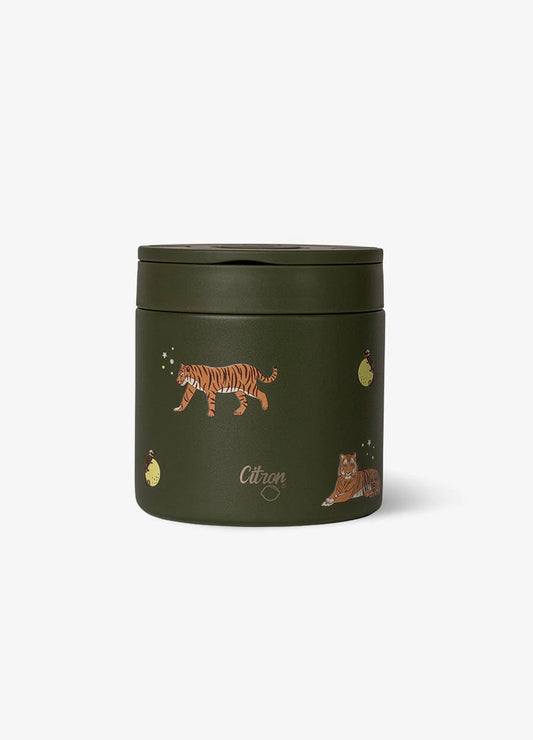
Food Flask FAQs
Why choose a food flask for school lunches?
Food flasks are a great way to send warm or chilled meals to school while keeping food fresh for longer. They are ideal for children who enjoy pasta, soups, rice dishes, yoghurt, salads, or fruit during the day.
How long does a Citron food flask keep meals warm?
Citron food flasks keep food warm for up to 6 hours or cold for up to 7 hours, making them suitable for nursery, school, work lunches, and family travel.
Are Citron food flasks leakproof for backpacks and lunch bags?
Yes, Citron food flasks feature a vacuum-sealed leakproof lid designed to help prevent spills and keep meals fresh inside lunch bags and backpacks.
Are Citron food flasks easy for children to use independently?
Citron food flasks are designed with an easy-open, kid-friendly lid and a cool, dry exterior that stays comfortable for children to hold during school and travel.
What foods work best in a Citron food flask?
Citron food flasks are suitable for hot and cold meals including soups, noodles, pasta, porridge, salads, yoghurt, fruit, and healthy snacks on the go. Sauce-based meals such as pasta with sauce, curry, or soups work especially well for keeping food warm for longer compared to drier foods like plain pasta or rice.
Can I personalise a Citron food flask?
Yes, Citron food flasks can be personalised with a free sticker or optional engraving for £5, making them ideal for school, nursery, gifting, and helping prevent mix-ups.
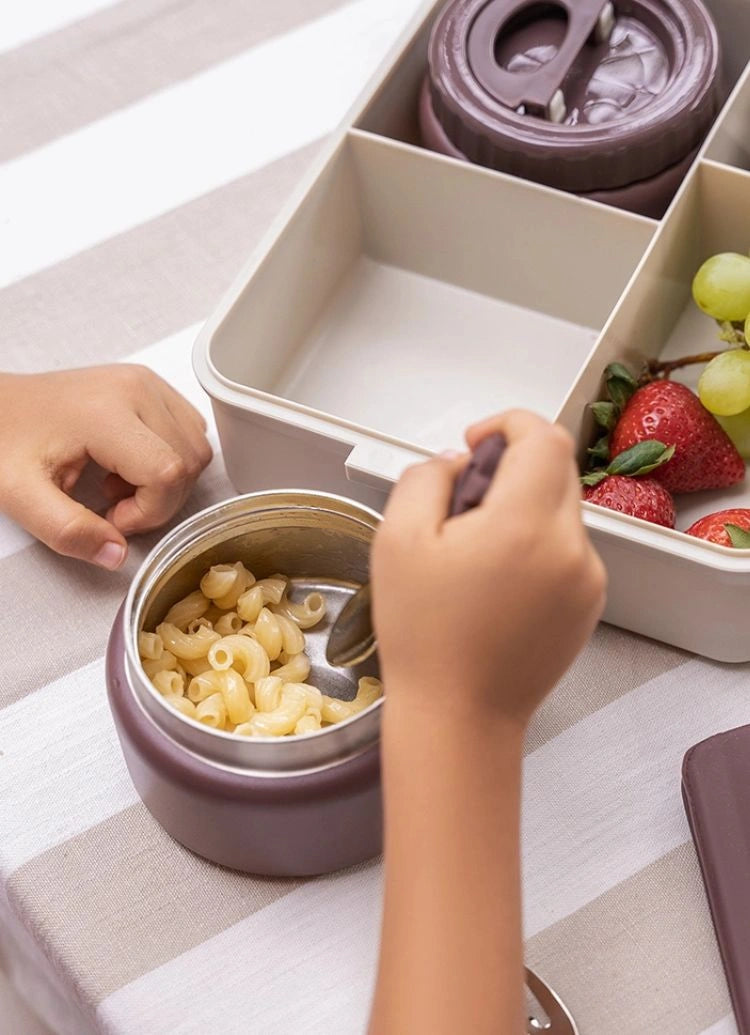
Why Use an Insulated Food Flask?
Vacuum insulation works by creating an airless gap between the flask walls, which cuts heat transfer by conduction and convection. That is why a good flask will keep soup hot and yoghurt chilled with minimal condensation and less heat lost each time you open it.
Before filling, pre-condition the flask: give it a quick rinse with hot water if you are adding something hot, or cool it with cold water if you are packing something cold. Try to fill close to the brim to limit air pockets; that helps keep the temperature steady and reduces splashing.
For best results, choose dense, saucy dishes and purees, which retain heat better. Think pasta or grains tossed in a sauce rather than dry rice or plain grains. Keep crunchy toppings, salads or granola in a separate pot to preserve their texture.
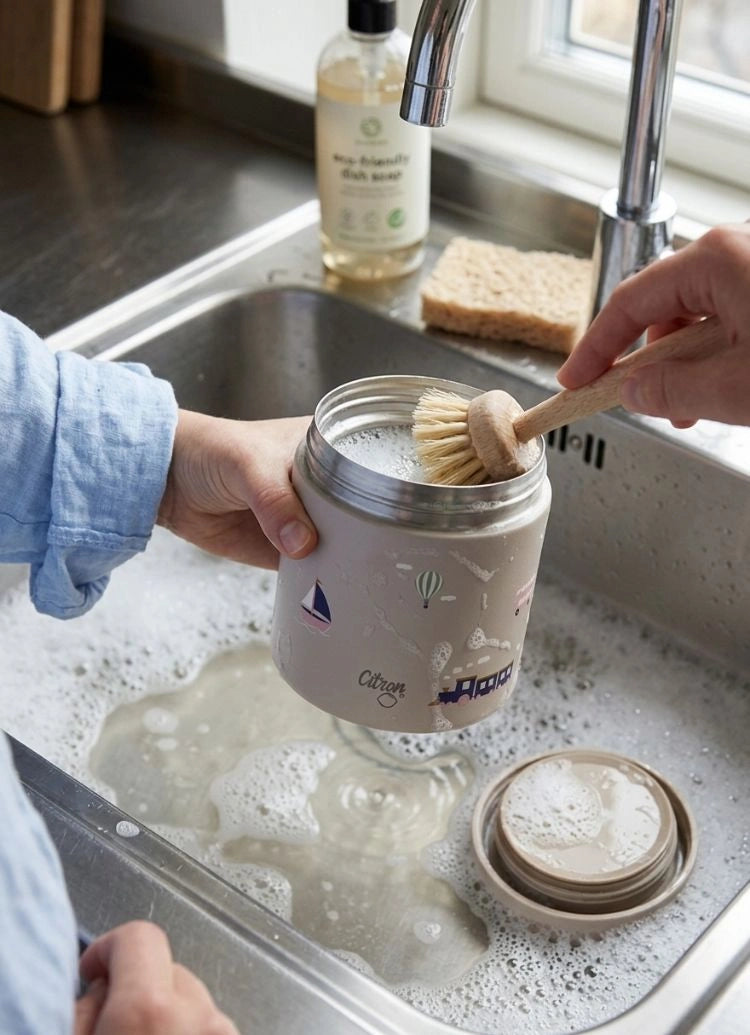
Rinse flasks soon after use to prevent stains setting. Use a narrow bottle brush and a bicarbonate of soda solution or paste to lift odours, and check the seals regularly, replacing any that have become distorted. Avoid harsh bleaches or abrasive scourers, which can damage the interior. Allow very hot food to cool slightly before sealing to reduce pressure and internal condensation, and try not to store highly acidic or salty foods for long, as these can alter flavour and affect the finish. For perishable items, follow local food safety guidance to decide how long a meal can be stored safely.
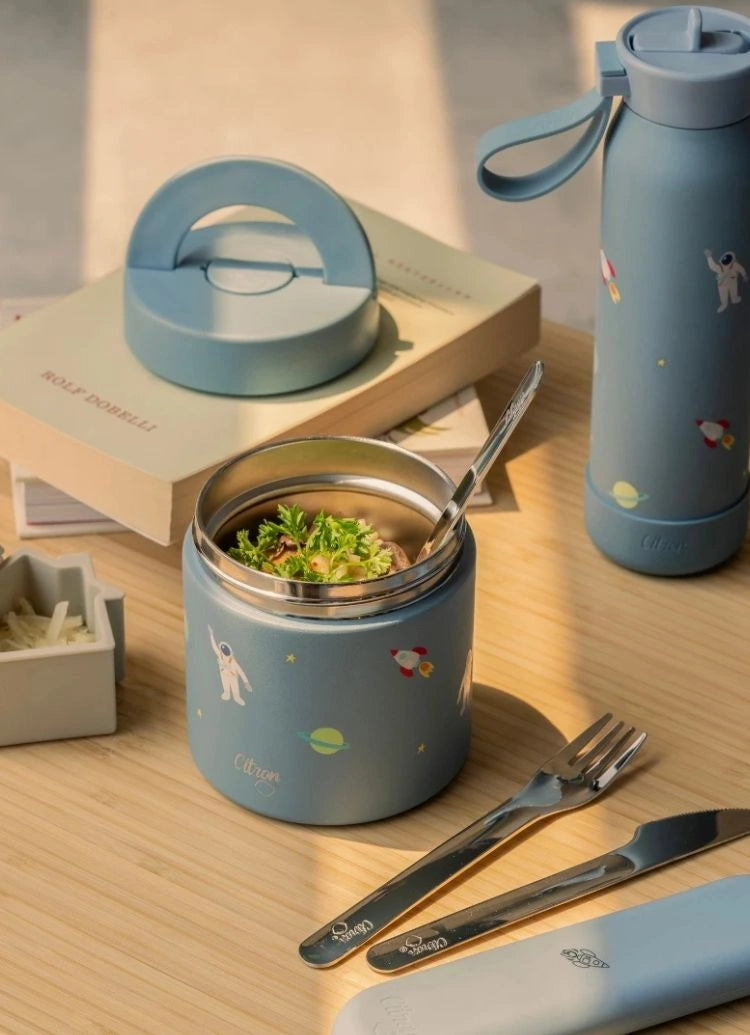
Pack soups, pasta, yoghurt & salads on the go
Flasks are brilliant for heartier, heat-retaining meals if you pack with care. For soups, warm the flask first with hot water to help keep the heat in. Pick sturdy bases such as lentil, potato or cream soups, and pack crunchy toppings like croutons or fresh herbs separately so they stay crisp. For homemade pasta, cook it just under al dente so it finishes cooking in the flask, toss with a splash of oil or a robust sauce to stop it sticking, and choose short or ridged shapes that catch the sauce. Add basil or a sprinkle of grated cheese at the last minute to preserve aroma and texture - perfect for packed lunches or a back to school midweek meal.
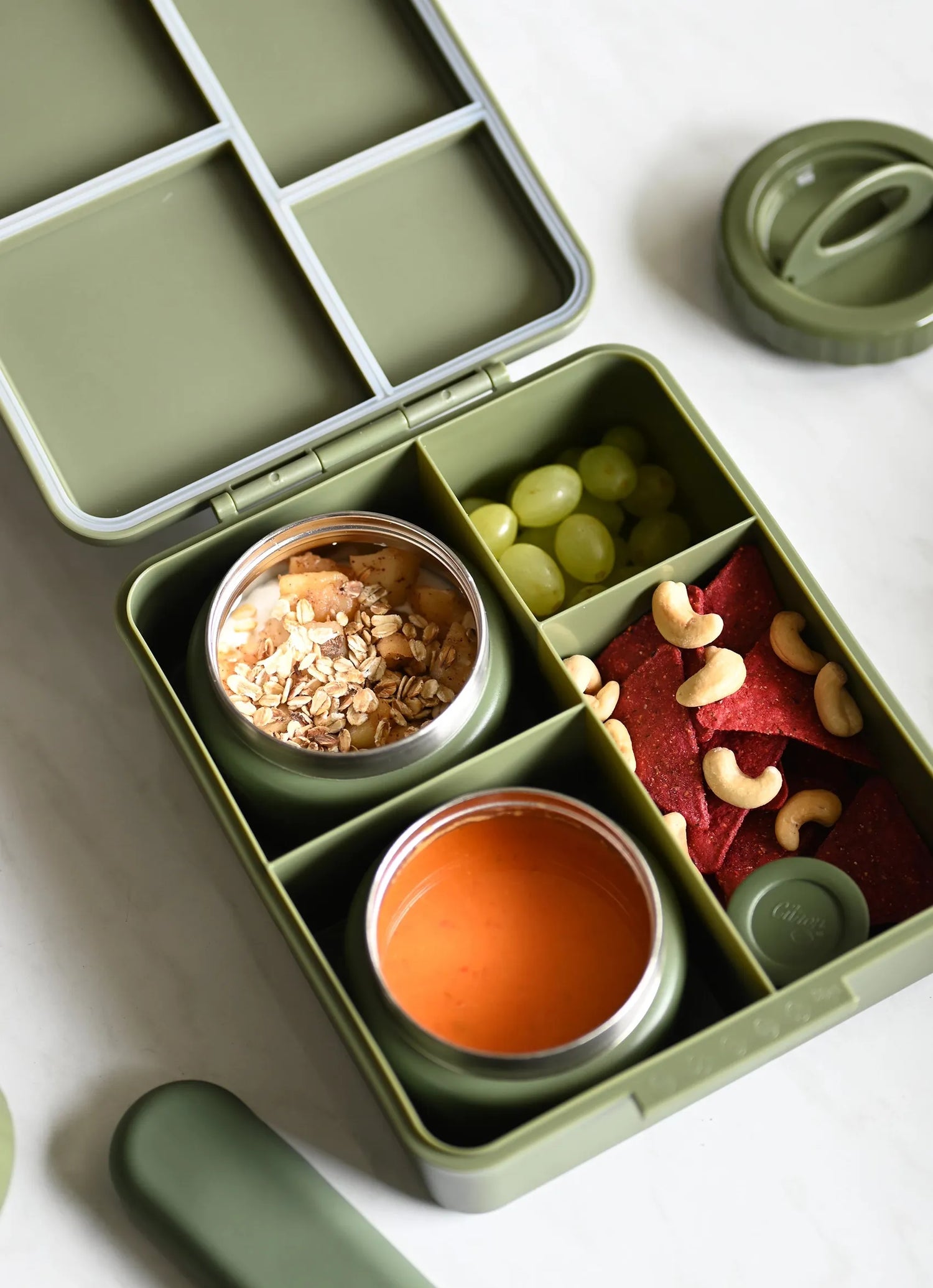
A few simple tricks will help packed lunches and insulated flasks taste fresher for little ones and grown-ups alike. Strain yoghurt or use a small inner pot to reduce separation, and pack granola, seeds or chopped nuts separately so they stay crunchy, or layer a fruit compote at the base so the flavour is released when stirred. Build salads and grain bowls around hearty ingredients such as kale, roasted courgette, cooked grains or pulses that tolerate a bit of warmth, keep dressings in a small sealed container, and include a protein like beans, a chopped boiled egg or smoked fish for substance. Pre-warm or pre-chill the flask to suit hot or cold fillings, and leave a little headroom to avoid spillage and any ongoing cooking. Keep contrasting textures apart where possible, and revive mellowed flavours with a squeeze of lemon or a drizzle of olive oil before serving.
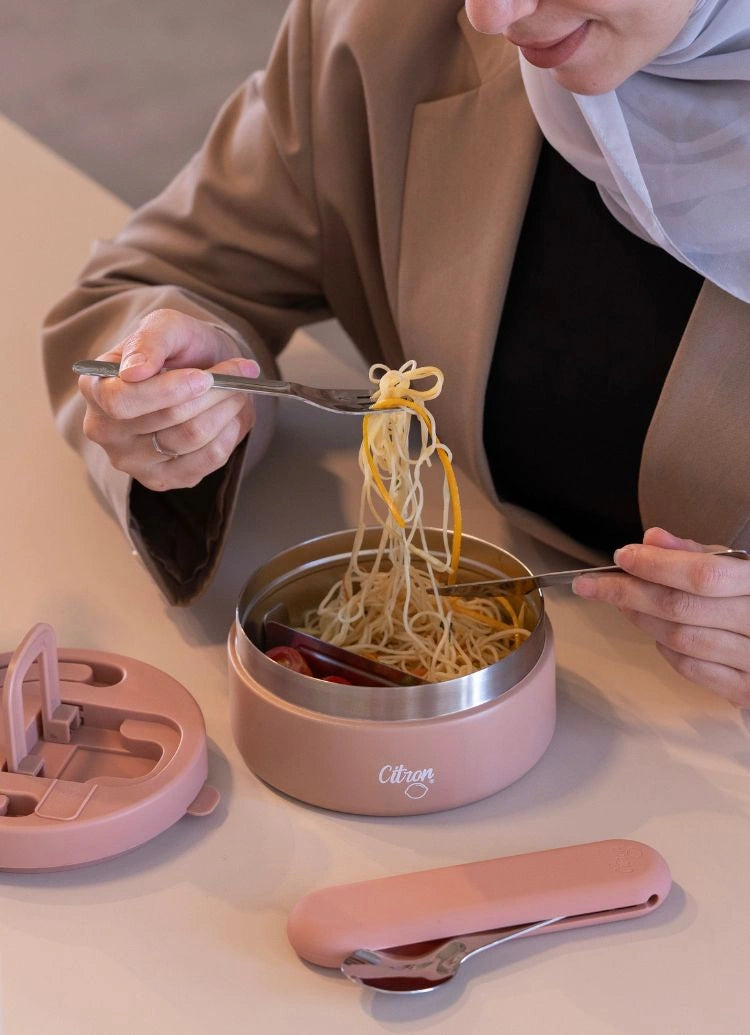
Match flask size to your appetite and portion needs
When choosing a flask size, think about the meal and the appetite. A small flask is ideal for light soups, yoghurt or a little one’s portion; a medium suits a standard childs packed lunch; and a large is best for a hearty bowl of pasta or stew. Remember that watery foods take up more space but are often less filling, so judge capacity by how satiating the meal will be rather than by weight alone. Pre-warm or pre-chill the flask and fill it nearly to the top to reduce the air gap, which helps it hold heat or chill for longer.
Try weighing your usual portions over a week, then pick the smallest flask that comfortably holds that serving. That way you balance portability with a satisfying meal. If you cycle to work or carry the flask all day, bear in mind the filled weight. You could also use a medium flask plus a small side pot for flexible portioning to match different activity levels and appetites. For children or lighter eaters, choose smaller flasks or split portions, and for longer days out or physical work opt for a larger capacity to cover higher energy needs.
How to prepare, store and clean flasks safely
Handy tip for keeping food at the right temperature in a flask: pour in just-boiled water to warm it, or iced water to chill it, then empty the flask before adding your food. That way the contents start at a similar temperature and are less likely to be shocked by a sudden change.
Open the lid while you fill to stop pressure building, and fill as close to the top as is practical to minimise headspace. Leave a little room for hot, steamy foods to expand so they do not spill. Reducing trapped air slows heat loss and helps food stay at the temperature you want for longer.
Keep flasks and bottles safe and fresh with a few simple habits parents can rely on. Use a food thermometer to check that hot contents stay above 60°C and cold contents stay below 5°C. If you are unsure, let cooked dishes cool slightly before sealing, or reheat until piping hot before serving.
For cleaning, take lids and gaskets apart and wash everything in hot, soapy water. A bottle brush helps get into nooks and crannies to remove any residue. To tackle stains and smells, try a paste of bicarbonate of soda or a vinegar rinse, then rinse well.
Always air-dry the flask with the lid off to prevent mould. Give seals and threads a quick inspection for cracks and avoid sudden temperature shocks, which can damage the vacuum insulation. Store flasks with the lid off so the interior stays dry and odour-free.
Choose flasks for everyday convenience and greener packed lunches
Choose a flask size that suits a typical portion and opt for a vacuum-insulated design. Try a couple at home by filling them with hot or cold liquid and checking how much the temperature changes to see which holds heat or chill best. Pick a wide mouth and a simple, secure lid with a visible, replaceable seal. A wide opening makes filling, eating from and cleaning much easier, and a replaceable seal reduces the risk of leaks in a bag or rucksack. Favour materials that resist flavour transfer, such as stainless steel or a smooth food-safe liner, and look for a seamless interior to minimise trapped food and simplify cleaning.
Choose a flask that is built to last and easy to mend: look for detachable lids, replaceable seals and materials that are widely recyclable so you can keep it in use rather than replacing it. Little daily habits help too. Rinse away oily or strongly flavoured meals as soon as you can, give stubborn odours a soak in bicarbonate of soda, and leave the lid off to air dry to prevent smells and mould. If you’re packing delicate things like salads or yoghurt, use separate inner pots to protect texture, keep things hygienic and maintain the right temperature. A few simple steps like these will keep flasks fresher for longer and cut down on waste.
Join us @citron.england
See how Citron works for real families, with everyday routines, lunch ideas, and school essentials.