

Choosing an insulated lunchbox that keeps food safe and fresh can seem simple until you start decoding tiny labels and material codes. This guide walks you through reading labels and checking safety certifications, assessing which materials are food-safe, and inspecting the insulation and build, so you can choose a durable lunchbox that keeps meals fresh day after day.
We’ll show which markings and materials signal a low risk of leaching, which types of insulation hold temperature best, and how stitching, seals, and lids affect longevity and hygiene. Use simple, step-by-step checks for cleaning, choosing the right size and features, and recycling at end of life to protect flavour, extend lifespan, and reduce waste.

How to decode labels and check safety certifications for kids' products
When choosing lunchware, start by decoding the symbols on the packaging. The wineglass and fork symbol shows a product is intended for food contact, while dishwasher and microwave icons tell you how the item is designed to be used. Resin identification codes, numbered 1 to 7, name the polymer family and give a clue about how the material usually behaves with heat or chemicals. As a general guide, polymers such as HDPE (code 2), LDPE (code 4), and polypropylene (code 5) tend to perform better for repeated use with hot or acidic foods. PVC (code 3) and polystyrene (code 6) have higher migration risks. Code 7 covers a mix of materials, including polycarbonate, so it deserves closer scrutiny. Look for clear labelling that a product is BPA-free, phthalate-free, and PVC-free. If you want further assurance, ask the manufacturer for third-party test reports or recognised certification marks, and request the testing laboratory or standard used so you can verify the claims.
For busy parents choosing metal lunchware, check the metal and how the product is made. 18/8 stainless steel, also labelled 304, is a recognised food-grade alloy. Note whether a container is single-wall or vacuum-insulated, because vacuum insulation limits heat transfer and keeps food hot or cold for longer than foam-core options. Look closely at seams, welds, and any coatings, and check for a stated food-safe finish. Poor joins or non-food-safe paints can introduce contamination over time, so solid welds and clear material statements matter. Assess the lid and insulation systems too: removable food-grade silicone gaskets and a tight-fitting lid improve thermal performance and reduce the risk of spills. Finally, read care symbols and cleaning instructions, since these affect hygiene and longevity. Check zips, handle attachments, and seam reinforcement for durability. Prefer items with replaceable seals, available spare parts, and clear batch or model codes, which make it easier to follow up on recalls or safety updates.
Pack stainless steel utensils in a BPA-free silicone case.

How to check lunchware materials for food safety and durability
Check the inner lining and any food-contact statements first. Look for 18/8 or 304 stainless steel, food-grade silicone, or plastics explicitly labelled food-safe, with declarations such as BPA-free and phthalate-free. Stainless steel resists staining and flavour transfer, while lower-quality plastics can discolour and trap odours. Compare insulation types: vacuum insulation maintains temperature the longest, closed-cell foam is lighter but can compress with use, and reflective foil layers provide only short-term thermal reflection. To verify manufacturer claims, pack a typical lunch and measure the temperature change over the period you normally store it, using a food thermometer to record the results.
Inspect seals, zips, and seams for leak resistance and durability. Open and close the zip, flex the handles, and look for welded or taped seams and a silicone gasket around the lid. Choose smooth, non-porous interiors or removable, machine-washable liners, and avoid textured fabrics where food will touch. Make sure the design allows full drying after washing to limit mould and bacterial growth. For longevity, favour heavy-duty woven outer fabrics with a water-repellent finish and reinforced stitching at stress points. Where possible, pick models with replaceable zips, straps, or liners so worn components can be repaired rather than discarded.
Keep meals hot or cold, leak-proof and vacuum-sealed.
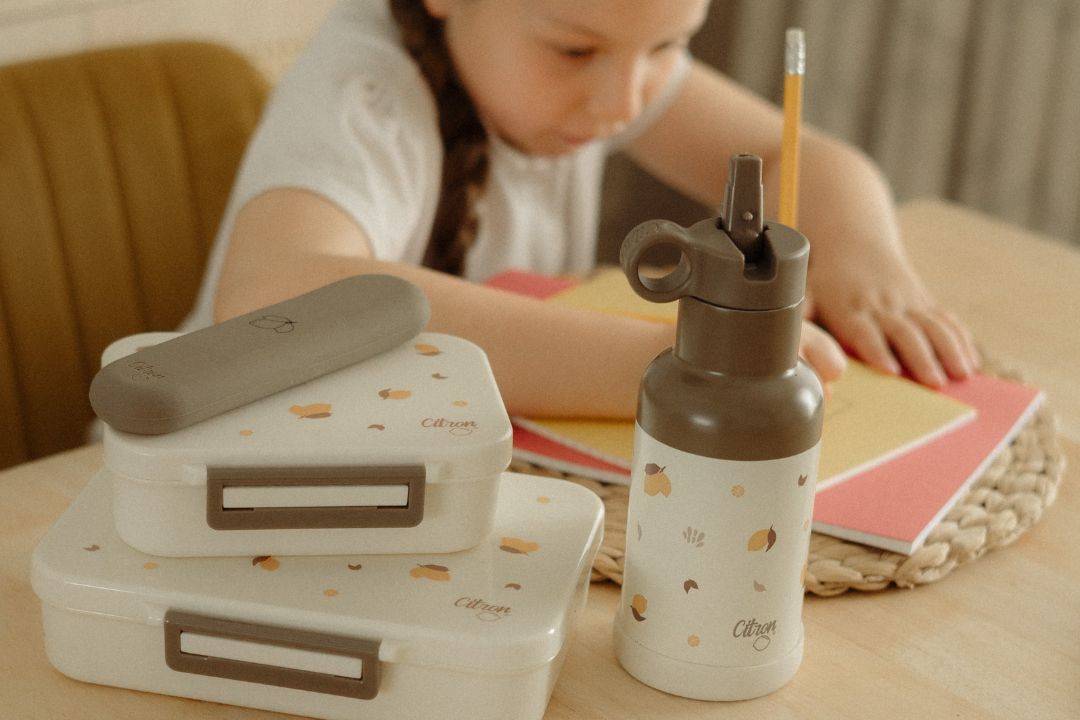
Check insulation and build quality for lasting performance
When checking a lunch bag, start by reading the label to identify the insulation: closed-cell foam, polyurethane, or foil liners. Gently squeeze and release the padding to assess thickness and rebound. Padding that springs back quickly and stays evenly thick indicates intact insulation, while thin, papery foil or clearly compressed foam usually means poorer thermal performance. Look inside for heat-welded or taped seams, sealed gussets, and a continuous liner, which help prevent thermal bridging and leaks. By contrast, stitched seams with visible needle holes can let cold and moisture escape.
When choosing a lunchbox or insulated bag, do a few quick checks you can repeat at home or in the shop. Check closures and zips for airtightness: overlapping flaps, zip covers, or gasketed openings usually seal better. Run the zip open and closed to make sure the teeth align and it moves smoothly, since a sticky or misaligned zip can let air and leaks through. Look at the label for food-contact-safe materials, BPA-free polymers, or antimicrobial finishes, and favour a removable, wipeable lining or tray so you can clean thoroughly and reduce odours and staining. Feel the outer fabric and any coatings — a higher denier or durable finish will resist abrasion and repel spills. Press the base to check for a reinforced board or EVA support so the insulation does not compress under weight. Finally, give handles and straps a firm tug to inspect stitching and rivets, because strong attachments cut the risk of strain-related failure.
Quick inspection and care checklist for insulated coolers and bags
- Squeeze the padding across several panels: closed-cell foam, polyurethane, and foil liners compress differently; quick rebound and uniform thickness indicate intact insulation, while papery foil or clearly compressed foam points to reduced thermal performance.
- Inspect seams, gussets, and the liner: look for heat-welded or taped seams and a continuous liner that prevents thermal bridging and leaks; visible needle holes, stitched seams with gaps, or unsealed gussets are likely paths for cold and moisture to escape.
- Run and examine closures and zips: open and close the zip to check tooth alignment and smooth action, prefer overlapping flaps, zip covers, or gasketed openings that improve airtightness and reduce heat transfer.
- Check shell, base, and attachments: feel the outer fabric for tight weave or coatings that resist abrasion and water, press the base for a reinforced board or EVA support that prevents insulation compression, and tug handles and straps to confirm secure stitching or rivets.
- Maintain and repair to extend life: wipe removable, food-safe liners with mild detergent, dry completely to prevent odour and mould, lubricate zips, replace or add a rigid base board if the base sags, patch torn liners or reseal seams with food-safe tape, and store uncompressed to avoid permanent foam deformation.

Keep your lunchware clean to protect food hygiene and flavour
A simple clean after each use helps prevent stains and lingering smells. 1. Empty the lunchbox and separate liners, ice packs, and any loose containers. Brush out crumbs. 2. Wash removable parts in warm water with a mild detergent, using a soft cloth or sponge. Avoid abrasive scourers on metal interiors to prevent scratching. 3. Leave all parts to dry with the lid open so trapped moisture can escape, as persistent dampness encourages bacterial growth and can alter flavour. 4. To lift stains, make a paste of bicarbonate of soda and water and gently rub the area, or wipe interiors with diluted white vinegar to neutralise odours, then rinse thoroughly. 5. Store the box with the lid open and an open sachet of bicarbonate of soda to absorb any lingering smell.
To keep a lunchbox hygienic and performing well, dry every part completely after washing and store the box with the lid propped open or separately so air can circulate. Trapped moisture can encourage mould and unpleasant odours, and make seals less effective. Inspect seams, zips, gaskets, and any insulation for trapped moisture, fraying, or cracks. Remove silicone gaskets where you can and wash them separately, then allow them to air dry. If a gasket looks cracked or compressed, replace it, because even small defects reduce leakproofing. Clear crumbs from seams and crevices with a soft brush so food cannot collect and degrade materials. If a zip becomes sticky, apply a small amount of food-safe lubricant, such as paraffin wax or a silicone lubricant, along the teeth and work the zip up and down to distribute it. Mend small fabric tears with a needle and thread or a food-safe adhesive to keep dirt out and extend the item’s life. Replace damaged linings or gaskets to preserve hygiene and performance. When it’s time to dispose of a worn lunchbox, separate mixed materials where possible. Glued or foamed layers commonly prevent standard recycling and may require specialist recycling routes.
Opt for removable silicone liners to simplify cleaning.

How to choose the right size and features and plan for reuse and recycling
Match a container's interior volume to a typical meal by measuring the items you usually pack, such as a sandwich, an apple, and a small tub of yoghurt. Aim for a snug fit to reduce trapped air, because less air slows heat transfer and helps food stay warmer or cooler for longer, while making packing quicker. Choose boxes with separate compartments for wet and dry items to stop sogginess. Check the label for materials, such as stainless steel, polypropylene, silicone, or foam, and whether the container uses vacuum insulation. Turn the container over to find recycling numbers and food-contact symbols, and check for microwave-safe and freezer-safe marks. Avoid coatings that flake, as they can rub off into food and indicate poor durability.
Insulation works in different ways: vacuum layers slow heat transfer by removing air, while foam-filled walls reduce conduction. To test performance at home, pour in warm water, seal the box, wait 10 minutes, then feel the outer wall to judge heat retention. For chilled items, fill the box with cold contents and check the outside for condensation to see how well it keeps in the cold. When choosing a design, look for removable liners, a stainless steel interior, and dishwasher-safe labels to make cleaning easier and extend the product's life. Open and close zips and lids several times, inspect seals and fastenings for glued seams or thin liners, and favour models with replaceable gaskets or parts so repairs are possible. At the end of its life, prefer mono-material constructions where you can, note the recycling symbol and material code, separate incompatible parts before disposal, and consult your local recycling guidance; consider donating or upcycling components that are still usable.
Focus on labels and materials - Look for the food-contact symbol (the glass-and-fork), resin identification codes, and clear claims such as BPA-free. These markings show whether a product is intended for food use and which plastics are present. Resin codes (the numbered triangle) identify the plastic type; for example, polypropylene is often marked 5 and is a common, lower-leaching choice for food-contact parts. - Check the listed materials. Food-grade options such as 18/8 stainless steel, food-grade silicone, and polypropylene reduce the risk of chemical leaching. 18/8 stainless steel means roughly 18% chromium and 8% nickel, which helps resist corrosion and keeps containers stable over time. Assess insulation and construction - Test padding rebound by pressing any insulated section and watching how quickly it springs back; slow rebound can indicate compressed or worn insulation. Verify whether the product uses a vacuum or a foam core, as vacuum insulation typically maintains temperature longer than foam. - Inspect seams, zips, and removable gaskets for gaps or tight creases where food and moisture can collect. Removable gaskets and easily opened zips make cleaning simpler and help maintain hygiene and performance over time.
Work through the practical checks under each heading: decode labels to spot food-safe, BPA-free materials and recycling codes; assess construction and materials for durability and resistance to odour and stains; inspect insulation and seals to make sure the lunchbox keeps food at safe temperatures and prevents leaks and mould; and care for liners and seals with the right cleaning routine to extend life. Treat the headings as a compact checklist for buying, cleaning, and end-of-life planning so you pick a durable lunchbox that preserves flavour, reduces waste, and saves you time.