

The bottle you choose affects how much your child drinks, how easily they can carry it, and how often you need to clean it. With so many sizes, spouts, and handles to choose from, many parents wonder what capacity suits their child's age, size, and activity level.
We’ll walk through three ideal bottle sizes, explain how to match capacity to your child’s age and activity level, recommend designs that make sipping and cleaning easier, and help you plan for school day portability and refills. Read on to find a bottle that keeps your child hydrated, is light enough to carry, and easy to care for.
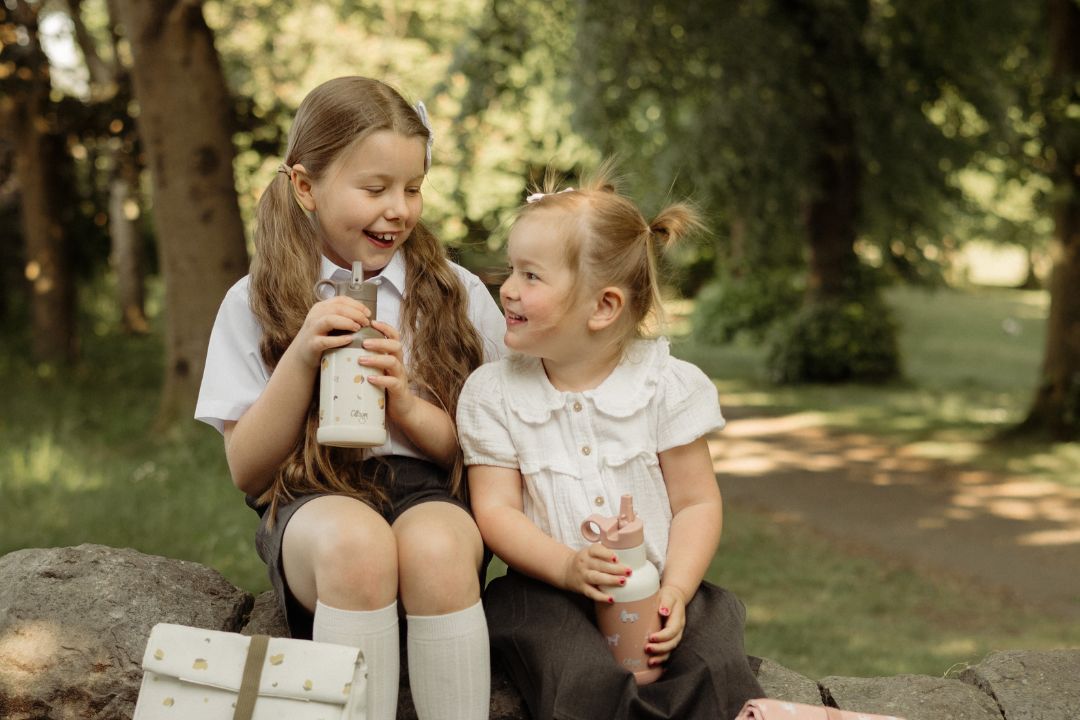
1. Match bottle size to your child's stage, build, and energy needs
Match bottle capacity to feeding stage: 60 to 120 millilitre bottles work well for newborn top-ups, 150 to 250 millilitre bottles suit a typical single feed, and 300 to 500 millilitre bottles are handy for toddlers or long days out so you minimise refills and avoid large leftovers. Consider your child’s activity level too — an energetic toddler who spends long periods away from home benefits from a larger, lightweight bottle for water or milk, while a grazing feeder or a less active child will often be better served by smaller bottles to reduce waste. Prioritise ergonomics: choose shapes and weights small hands can grip easily, wide necks for simpler filling and cleaning, and clear, accurate measurement markings so you can prepare portions precisely. Look for simple signs it’s time to move up a size, such as regular overflow, frequent refills, or your child consistently finishing feeds with room to spare.
Select bottle sizes according to feeding technique and transition goals. Use smaller bottles or slow-flow teats to encourage paced feeding and help prevent overconsumption, and move to slightly larger bottles during cup weaning so your child can practise bigger sips without constant refills. Think about practical care and logistics: choose sizes that fit your steriliser, drying space, and travel bag, and keep a small range on rotation so you can respond to growth spurts while keeping washing and storage manageable. Base choices on your typical daily routine and measured feed volumes rather than arbitrary sizes for a simpler, more adaptable system.

2. Choose the right size and design for easy sipping and cleaning
Think about how much your child usually drinks at one sitting and how busy their day is. Choose a bottle slightly larger than their typical feed so you avoid constant refills, but not so large that milk or formula sits and spoils. For active toddlers who graze or spend long stretches away from home, favour a larger capacity; babies who take several small feeds benefit from smaller bottles to reduce waste and reheating. Watching a few feeds gives clear, practical guidance on which size will cut down topping up and help keep milk fresher.
When choosing bottles and cups, focus on three things: teat and neck shape, how the parts come apart for cleaning, and the bottle material and insulation. - Teat and neck shape: Narrow teats slow the flow, which helps younger babies coordinate sucking. Wider, breast-shaped teats increase flow for older infants. Wide-neck bottles let a brush or cloth reach the base, which helps prevent hidden residue. - Keep designs simple: Fewer parts mean fewer joins where milk and bacteria can hide. If a bottle has anti-colic valves or several rings, plan a cleaning routine that includes a small brush and a visual check of each piece. - Straw, spout, and lid choices by age and drying needs: Removable, one-piece silicone spouts and straight straws clean more easily. Long bent straws and complex lids often need a narrow brush and extra drying time. Leave parts to air-dry upside down so water drains away. - Material and insulation matter: Smooth interior finishes, and single-piece stainless steel or BPA-free plastic bottles, resist staining and scrub clean more easily. Double-walled insulated bottles can trap moisture, so expect to give them extra drying time and occasional deep-dry cycles. A quick checklist: match teat shape to your child’s age, favour few-part designs, choose straightforward straw or spout shapes for easier cleaning, and pick materials with smooth interiors to reduce staining and drying issues.

3. Plan for school-day portability, refill options, and easy care
Check how a bottle actually fits in the bag and its pockets, rather than relying on capacity labels. Many school bag side pockets and lunchboxes will comfortably hold bottles around 500 ml, but taller insulated bottles can protrude. Before you buy, ask your child to carry a filled bottle in their bag for a short walk to make sure it fits and does not unbalance them. Match the refill method and lid shape to the school water points. Wide-neck bottles take top-ups and ice easily, while narrow spouts and straw lids refill more cleanly under low-flow water fountains. If possible, inspect the school or ask about their refill stations so you can choose a lid that tops up without spilling.
Aim for simple designs with as few parts as possible. Removable silicone seals, a single spout, and a wide opening clean more thoroughly and dry faster, leaving fewer places for mould or bacteria to hide. Look for clear measurement marks on the side so you can easily see how much your child is drinking. Balance insulation with weight and ease of use: insulated bottles keep drinks cool but add bulk and can be harder for small hands to lift. At home, test leakproofing by filling and inverting the bottle, and practise one-handed opening and drinking with your child. Choose a stable shape that resists tipping, and consider extras that make the school run easier, such as a secure carry handle, a dedicated space for a name label, and a spare cap in the school kit.
Think about capacity, shape, and lid design to suit your little one’s development, build, and activity so drinks stay fresh and the bottle is easy to carry and clean. Smaller bottles reduce waste and avoid reheating between sips. Medium bottles are a good fit for a single feed. Larger, lightweight bottles cut down on refills for busy, active toddlers. Choose bottles with few parts to speed up cleaning and minimise hidden crevices where residue can collect.
Use a three-pronged approach: choose a bottle size appropriate for your child’s feeding stage, prioritise easy-to-clean shapes, and test portability and refill methods. Try sizes at home with the drinks you normally pack, check lids at a school water fountain or playground tap, and keep two or three options in rotation. That lets you see what fits lunchboxes, survives a tumble, and suits your daily routine, so you can stop guessing and choose what actually works.