

Does your child's rucksack seem to swallow everything they need, yet leave the essentials behind? A bag that looks roomy can still struggle to hold a packed lunch, a water bottle, and other daily essentials comfortably and safely.
Try these three simple checks when choosing a school bag. 1) Measure the internal space and note the shape so you know what will fit. 2) Pack a typical lunchbox and water bottle to test how items sit, how easy they are to reach, and whether pockets help keep things organised. 3) Check carrying comfort, durability, and useful features, such as padded straps and secure closures. Work through these steps to see which bag actually fits your child’s things, keeps items organised, and helps reduce shoulder and back strain.
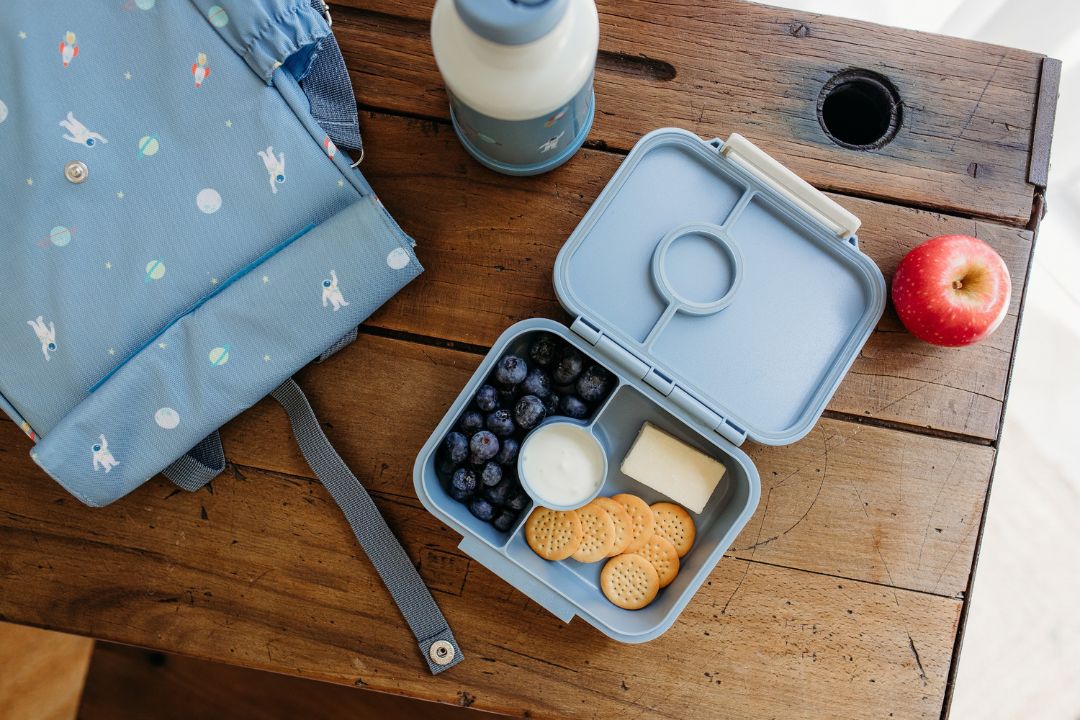
1. Measure your lunch box's internal capacity and shape
Begin by measuring the internal length, width, and depth at their widest points, and note any gussets or seam allowances. Compare those figures with the actual dimensions of your packed lunchbox and water bottle rather than relying on labelled volume. Shape matters as much as size: a tall, cylindrical bottle can leave unusable gaps beside a rectangular lunchbox, while flexible containers compress into corners in different ways. Taking photos or sketching simple diagrams of common pairings quickly shows which combinations save space. Also check the zip or mouth opening and test how easily you can insert bulky items. Insulated linings and internal dividers often reduce usable space, so leave a little extra clearance for easy packing, better weight distribution, and quick access to essentials at back to school.
Try a simple trial-pack test to see how a bag performs in everyday use. Treat it like a real school morning and follow these steps: - Fill the lunchbox, seal the bottle, add a pencil case and a thin jumper. - Load everything into the bag and close the zip as you would on a busy day. - Record whether zips close easily, items tilt, or pockets bulge, and whether you can remove and replace items without fuss. - Compare those notes with the bag's internal measurements to see how padding, insulation, and seam allowances reduce usable volume compared with the advertised capacity. - Use the recorded outcomes to decide if you need a differently shaped bottle, a slimmer lunchbox, or a bag with a wider mouth or fewer internal dividers.

2. Pack a lunch and water bottle to test organisation and ease of access
Try this quick, realistic check at home. Pack the bag as you normally would — include a lunchbox, water bottle, snack, pencil case, and a school-sized folder. Zip it up, lift it by the straps, and notice how the weight sits. If the bag slants, pulls to one side, or the shoulder straps creep, the contents are shifting and could cause shoulder strain. Then ask your child to take out only the lunch and the bottle, unassisted. Count how many movements they make and whether they need two hands or have to sit down to manage it.
After testing how the bag packs, run these quick checks at home before you commit to it. First, pop a full bottle into the side pocket and walk around, climb a few steps, or bounce gently to see if it rattles, leans, or slips. Next, place a spill-prone item, such as an open yoghurt pot or a juicy piece of fruit, in the lunch compartment and inspect the lining, seams, and corners for damp, stains, or warped liners, which would signal poor waterproofing or a bag that will be hard to clean. Finally, pack the items you expect to carry each day, unzip and tilt the bag to check whether the lunch box stays upright and food remains separate from books. If food shifts or flattens schoolwork, look for a bag with a flat base, an internal divider, or a removable lunch compartment to help keep contents tidy and separate.

3. Assess carrying comfort, durability, and practical features
Fill the rucksack with items for a typical day, such as a lunchbox, water bottle, coat, and a book. Put it on and check the fit in a mirror. The top should sit at the shoulder blades, and the base should not hang below the hip bone. Shoulder straps should lie flat and sit close to the neck without digging in. Use a chest strap or a padded waist belt to improve load control, and aim for a carried weight of about 10 to 15 per cent of your child’s bodyweight as a starting point. Walk for five minutes, then try simple movements like climbing stairs or bending down to spot any slipping straps, swaying, or red pressure marks. If a quick repositioning fixes the issue, it is likely down to how the contents were arranged or to poor adjustment. If discomfort keeps returning, look for more padding, a different strap layout, or a more supportive back panel.
Do a quick hands-on check to expose weak points before you rely on a bag for packed lunches. Try these simple steps: - Open every pocket and unzip all compartments so seams and joins are visible. - Flex the base and lift the bag when it is loaded by the grab handle, then by each shoulder strap, to check for strain. - Inspect seams, pocket joins, zips, and fabric for stretching, puckering, fraying, loose threads, or sticky zips, as these often predict faster wear. - Check linings and compartment layouts for spill and sweat management. A wipeable or insulated lunch pocket that keeps food separate from stationery helps reduce odour and mould risk. Avoid absorbent linings that retain moisture and smells, or linings that discolour when wiped. - Confirm there is a dedicated, upright water bottle pocket, a separate pocket for snacks and small items, and smooth, easy-to-grip zips or tabs a child can operate to help prevent drinks sloshing into sandwiches.
To bring these checks together, try this simple at-home test to confirm real usable space. Measure the bag's internal dimensions, then pack a sealed water bottle, the lunchbox, a pencil case, and a jumper. Zip the bag closed and look for strained seams, tilting items, or bulging pockets. These observations show how much the bag will hold in everyday use, which can differ from the labelled capacity.
As a quick checklist, do three simple checks to see how a lunchbox or bottle performs in real life. First, measure the internal dimensions and note the shape so you know what will actually fit. Second, run a packed-lunch trial with the sandwiches, snacks, and bottles you usually use to spot awkward gaps or jostling. Third, test carrying comfort and durability by zipping the bag closed, shouldering it for your normal route, and checking for frequent tilting, hard-to-close zips, or straps that dig in. If you notice problems, try a different bottle, a slimmer container, or a bag with a wider mouth, a flat base, or better padding to keep food separate, protect books, and reduce strain.