

School mornings often feel rushed. A crushed sandwich, a forgotten snack, and a yoghurt spill only make the start of the day harder. Could a well-designed lunch compartment keep items separate, easy to find, and fresher until lunchtime?
Little design choices, like removable dividers, insulated pockets, and wipe-clean linings, can help prevent spills, keep food at the right temperature, and speed up morning prep. Read on for practical tips on tailoring size and layout to your child's routine, choosing an ergonomic fit for small hands and school bags, and picking easy-to-clean, durable, sustainable materials that save time and reduce waste.

How to tailor a lunchbox compartment to your child's routine
Start by measuring your child’s usual portions over several lunches, then choose compartment sizes and container volumes so main items and snacks sit snugly rather than being overpacked. That reduces food waste and makes morning packing quicker. Create distinct wet and dry zones: use leakproof pots for yoghurt and dressings, and place a reusable absorbent liner or cloth napkin under juicy fruit to catch spills and make cleaning straightforward. Keep a simple, visual packing checklist that rotates staples, includes utensils, and adds a cooling pack when needed, and display it where you pack to cut decision time and prevent forgotten items. Pick dishwasher-safe or wipe-clean containers and removable inserts, rinse or empty spills straight away, and store damp components separately to prevent odours and staining.
Involve your child in setting up compartments: use photos, icons, and colour-coded lids to illustrate portions and build familiarity. Let them choose one item each day from a short checklist, and rotate favourites to keep lunches interesting. Match cleaning and storage to your usual routine so maintenance becomes quick and habitual. These small, consistent systems speed up choices, reduce waste, and, by giving children a sense of ownership, increase the likelihood their food will be eaten.
Download a weekly lunch planner to simplify packing.

How to choose the right size and ergonomic fit for children's lunchware
Lay out the lunchbox, drink bottle, ice pack, and cutlery, and give them a quick test by trying them standing and lying flat. Close the zip to confirm there is room for everything without squashing food. Use those measured dimensions when choosing compartment sizes so items sit securely and lids can open without obstruction. Match compartment shape to the contents: tall, narrow spaces suit bottles and thermoses, while wide, shallow trays suit sandwich boxes and snack pots. Removable dividers make it easy to swap a hot meal for several small snacks. Look for adjustable volumes, expandable panels, or modular inserts so the compartment adapts as appetites, activities, or lunchbox sizes change.
Prioritise easy access and cleanability. Look for compartments with wide openings, removable liners, and wipeable fabrics so spills are simple to clear. Pack the bag with a typical load, put it on, and walk, bend, and reach to check that the shoulder straps sit comfortably and the load stays close to the spine. A chest strap or extra padding helps reduce shoulder pressure. Before you commit, tip in a little water and wipe it to test drainage and stain resistance, and make sure the liners come out for a proper clean. These quick checks show how the bag will cope with everyday spills and movement.
Pick a four-compartment, leakproof box with an insulated jar.

Design and insulate packed lunch compartments to keep meals fresher
Choose insulation for the job. Reflective foil reduces radiant heat by bouncing warmth away, which helps with brief sun exposure. Closed-cell foam slows conductive heat transfer when items touch the walls, so it suits everyday use. Vacuum-style panels give high insulation in a thin profile because they remove most air, cutting convection and conduction; with these, most insulating power sits in the walls and base. A removable, washable insulated liner makes it easy to swap layers for different seasons and keep the interior hygienic. Plan the interior with separate wet and dry zones, a tall sleeve to keep bottles upright, and modular dividers or rigid sauce pots to keep food organised, stable, and spill-free. Add cooling by including a flat pocket for a frozen gel pack and by positioning cold sources directly beside perishables. You can also use frozen items themselves as passive chillers; as they thaw they absorb heat and help even out temperatures through the day.
When choosing lunch bags or insulated boxes, look for wipeable, waterproof linings with welded seams, removable trays, and zip closures with protective flaps to keep spills out and make stains and odours easier to remove. Where materials allow, make key elements machine-washable or dishwasher-safe so cleaning fits a busy back to school routine. Aim for a snug closure to help retain heat, but include ways to manage condensation, such as a small ventilated pocket or a quick-drain tray that collects moisture before it causes damp smells. Finally, include a little pocket for a thermometer or temperature-check strip; objective readings let you see how well the compartment is keeping food at a safe temperature.
Design checklist for an insulated meal compartment
- Insulation choices and placement: compare reflective foil, closed-cell foam, and vacuum-style panels, noting R-value versus thickness, weight, and durability; use higher-performance, thinner panels in the walls and base for space-limited areas, and put bulk insulation in a removable liner you can wash or swap for different seasons.
- Interior layout and passive cooling: create separate wet and dry zones, include a tall sleeve for bottles, and use modular dividers or rigid sauce pots to stop spills and keep items stable; add a flat pocket for a frozen gel pack and position cold sources directly beside the most perishable items, using frozen food as passive chillers to even temperatures.
- Cleaning, hygiene, and condensation control: specify wipe-clean, waterproof linings with seams sealed by welding, detachable trays, and zip fastenings protected by flaps; integrate a quick-drain tray or a small ventilated pocket to collect moisture, and make liners or trays machine-washable or dishwasher-safe where materials allow.
- Monitoring and season-specific tweaks: provide a dedicated pocket for a thermometer or temperature-check strip so you can verify performance, and adjust liner thickness or the number and placement of gel packs by season to reduce hot spots and manage condensation.
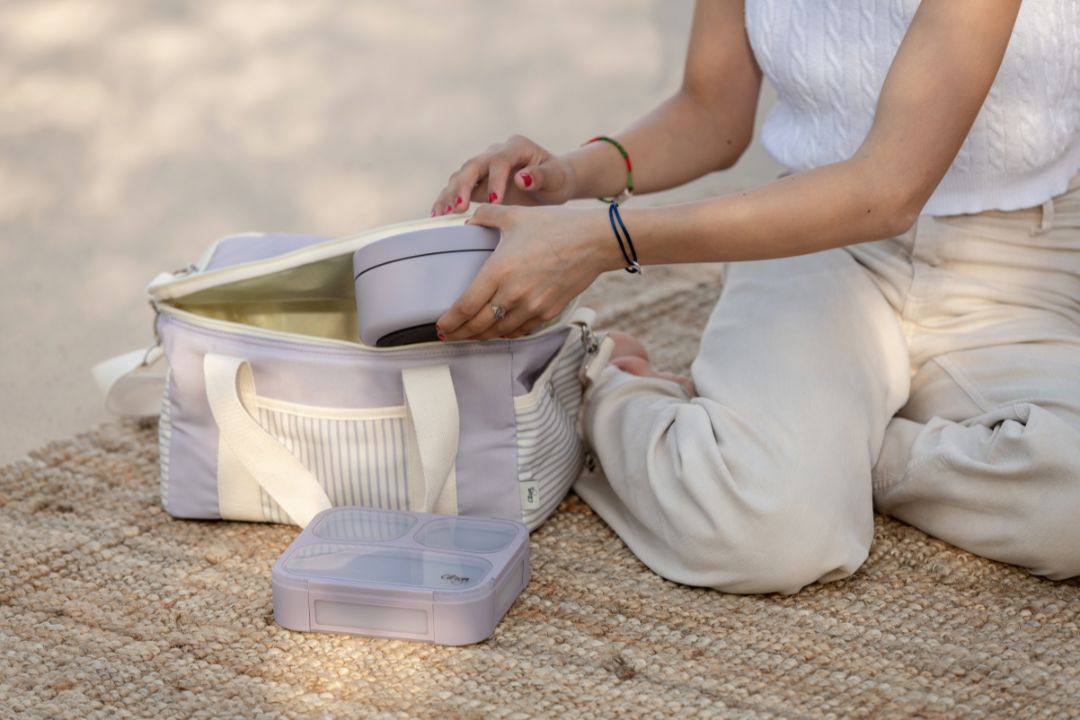
Organise the lunchbox compartment so your child can reach meals and snacks easily
Split the lunchbox into clear zones for main meals, snacks, and extras. Use small containers or removable inserts to keep items upright and separate; this helps flavours stay distinct and prevents food from becoming soggy. Choose uniform, stackable containers with flat lids that nest when empty, because consistent shapes make packing predictable, save space, and reduce the chance of items shifting. Try a simple colour code, or label lids with icons for younger children, so visual cues cut down on rummaging and make it quicker for little hands to find what they want.
A few simple habits help keep lunches fresh and tidy. Keep wet or strong-smelling foods in sealed, leakproof pots, and wrap sandwiches in breathable paper to reduce condensation. Add a washable, absorbent liner to catch drips and crumbs; it makes cleaning quicker and prevents lingering smells. Reserve an easy-access pocket or the top layer of the lunchbox for cutlery, napkins, and a short checklist tucked into the lid so essentials stay visible. Visible, organised lunches mean children and carers can pack and find items faster, which reduces forgotten things and messy spillages.
Keeps meals separate, leakproof and easy to clean

Choose easy-to-clean, durable, and sustainable materials for family lunchware
Opt for non-porous, food-grade surfaces like stainless steel, food-grade silicone, or polypropylene. These materials resist staining, do not trap flavours, and stand up to repeated washing, so they reduce bacterial buildup compared with porous alternatives. Choose removable liners, compartments, and rubber seals that detach for separate cleaning; snap-out parts expose inner corners, speed drying, and let you replace a single worn piece rather than the whole unit. Look for smooth, rounded internal corners, wide openings, and shallow crevices to minimise dead spaces where crumbs collect and to make wiping and brushing straightforward. Together, these design choices shorten cleaning time and cut the daily faff of preparing lunches.
Choose single-material pieces, or clearly labelled recyclable plastics, and favour items with replaceable parts so you can better judge their environmental impact and limit long-term waste. Single-material components are easier for recycling facilities to process because they do not need separating. Keep cleaning simple: rinse compartments straight after use, wash with a soft brush or cloth and a mild detergent, and skip abrasive scourers that wear away protective coatings. For stubborn smells, make a paste of bicarbonate of soda and water, or wipe with a little white vinegar, then rinse well. Allow parts to air dry completely before you reassemble them. These materials and small routines reduce odour build-up and staining, and make maintenance realistic on busy school mornings.
A well organised, insulated, easy-to-clean lunch compartment makes school mornings smoother by keeping food fresher, preventing spills, and making packing more predictable. Small touches, such as removable dividers, leakproof pots, wipeable linings, and a simple visual checklist, speed up packing, reduce food waste, and make washing up quicker and more reliable. For example, a wipeable lining catches yoghurt spills, and a checklist helps children pack independently and remember everything.
When choosing a lunch system, check that it fits and your child can open it easily. Match compartment shapes to the portion sizes they usually eat, and include an insulated pocket or a frozen gel pack to keep perishables cool. Make sure straps and padding spread the load so carrying stays comfortable. Think about sizing, insulation, organisation, and materials as you build a system that suits your child’s routine, saves time on busy mornings, and helps keep meals fresh and appealing.