

Introducing new dishes to a fussy eater can feel like a delicate experiment at the dinner table. Parents want their children to explore new flavours without upsetting familiar routines or turning mealtimes into a struggle.
In this post we explore how comforting textures, familiar bases and gentle global flavours, with a few simple swaps, can broaden tastes while keeping mealtimes calm. You will find practical tips on making new foods part of your routine, getting your child involved in choices, and packing lunches that help build confidence around food.

Start with a familiar base of comforting textures and flavours
Start each plate with a familiar base such as plain rice, mashed potato, pasta or toast, and add a small helping of the new dish alongside so the overall texture and flavour stay predictable. Match the texture of unfamiliar ingredients to what your child already likes: purée or grate vegetables for those who prefer smooth textures, or roast or gently pan-fry items for little ones who enjoy something crunchy. Serving the new food in a context your child recognises can cut down refusals caused by unexpected texture, and letting them add a bit at a time gives them a sense of control.
Serve sauces, dips and stronger flavours on the side so your child can choose how much to add. Gradually mix small amounts of the new ingredient into a favourite dish as a swap rather than a full replacement. Keep things calm and predictable by offering components separately on a familiar plate, keeping portion sizes consistent, and inviting your little one to help assemble one part. Most importantly, tuck into the new food yourself and eat alongside them to normalise the taste without any pressure.
Download a simple weekly planner to build familiar lunches.
Introduce little ones to global flavours with mild spices and easy swaps
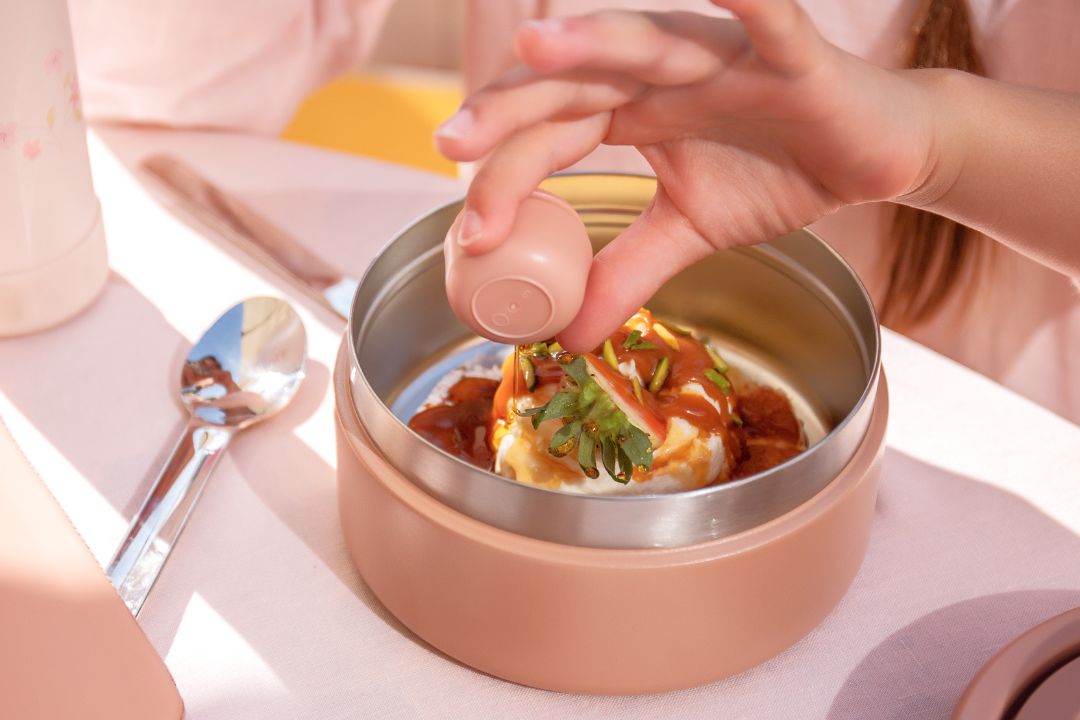
Start each new dish by keeping one familiar element on the plate and changing just one other. Put a small pot of gently spiced sauce or a simple topping on the side so your little one can choose how much to add. Use mild spices and gentle techniques to build aroma without heat: briefly toast cumin or coriander seeds in a dry pan, stir a pinch of smoked paprika into roasted vegetables, or tuck a cinnamon stick into a tomato stew as it simmers. These tiny changes make dishes smell interesting while keeping flavours gentle, so children can notice new tastes without feeling overwhelmed.
Take the edge off spicy dishes by stirring in a spoonful of yoghurt or a splash of coconut milk, removing chilli seeds, or mixing a spiced portion into a larger plain batch so a single spoonful stays mild. Offer tiny, low-pressure taste tests, let your little one add one topping from a small selection, or set out a build-your-own plate to make exposure a positive, sensory activity. Studies show that neutral, repeated exposure increases acceptance, so short, pleasant trials work better than pressure. Where possible, swap ingredients for similar textures and colours, for example using coconut rice instead of plain rice or mashed roasted courgette in a familiar sauce, and avoid whole spices or seeds that can put young palates off.
Pack separate sauces for easy taste-testing

Make trying new foods joyful and routine by involving your child in packed-lunch preparation
Try serving a predictable plate: one familiar item, a pea-sized taste of something new, and a favourite side. Making tasting a routine and offering food in a neutral, pressure-free way helps children accept new things over time. Let little ones choose between two vegetables, for example carrot or courgette, give them small jobs like washing leaves or assembling components, and they are more likely to approach the plate with curiosity and a sense of ownership. The same approach works for packed lunches: tuck tiny tasters alongside trusted favourites and turn leftovers into wraps, skewers or dips.
Offer a single bite and call it a "taster", then note the reaction in a simple list rather than cajoling or scolding, because a neutral response reduces stress and lets curiosity grow. Introduce just one new item in each packed lunch, and vary the texture or presentation to show familiar flavours in a different way. Share the same plate without fuss and invite siblings or friends to try it, as children often copy the people around them. Over time, calm consistency and small, repeated exposures can turn refusals into occasional tastes, and those tastes can become new favourites.
Small, calm tweaks to a familiar base make it easier for children to try new foods. Gentle, repeated exposure helps them build confidence without any pressure. Research shows that offering foods in a neutral, matter-of-fact way makes acceptance more likely, and getting children involved in choosing or preparing meals reduces mealtime conflict.
Offer comforting textures and familiar bases, with mild global flavours served on the side and tiny tasters tucked into packed lunches to make trying new foods feel predictable and joyful. Start with one small swap, let your child lead the taste decisions, and over time those calm routines often turn refusals into occasional tastes and, eventually, preferences.