

All too often, lunchboxes, sports kit and coats end up fighting for space in the hall, turning mornings into a bit of a scramble. A compact packing station with clearly defined zones keeps everything visible and makes it easier for children to pack quickly and confidently.
Read on for a practical, mum-friendly guide to choosing the right spot, planning a smooth daily flow and creating tailored storage for packed lunches, school kit and coats. You will also find clear labelling ideas, easy ways to personalise each child's space, and simple routines to keep everything tidy and sustainable.

Pick a practical spot and map a layout that suits family life
Begin by mapping the route your children take from the front door to the main living areas, noting natural stopping points and any obstacles. This helps you choose the best spot for a packing station to minimise detours and keep things flowing. Turn that plan into a to-scale sketch or a floor mock-up by drawing the wall and floor on squared paper or by marking zones with tape. Pop hooks, a bench and lunch storage into the layout so you can see how they work together. Give it a trial run by simulating dressing and packing to check reach and circulation, then tweak placements before you install anything.
Split the space into zones by task and by age, keeping low hooks and shelves for younger children, higher hooks for older ones, and leaving a clear bench for putting on shoes so each function sits within easy reach and sightlines. Choose durable, easy-to-clean finishes, non-slip flooring and rounded edges, and allow enough clearance so coats can hang without blocking walkways. Do a few realistic pack-up run-throughs to spot pinch points and note which items are most often forgotten, then adjust heights, zones and storage types accordingly. Involve the children in testing and tweaking the layout so it fits their routines and encourages independence.
Pack essentials into a kid-sized, grab-and-go bag.

Create distinct zones to help family mornings run smoothly
Start by mapping the departure path so the hallway mirrors how your kids actually leave the house. Put low coat hooks nearest the door so coats and bags are the last things they grab, and add a small landing pad within easy reach for keys, permission slips and lunch bags. Keep lunch and kit zones within sightlines on ventilated shelves or in individual cubbies so boxes can air and contents stay visible at a glance. Add waterproof baskets for damp kit and shallow open shelves for snacks, arranging each spot to match how the family uses items day to day.
Make mornings simpler with clear visual cues: photographs, colour tags, easy-to-read icons and labelled trays that work for pre-readers and older children alike. Create tiny routines that live at the station: a short packing checklist children can follow, a landing pad as the official final check, and a quick return-to-station step so dropped items get noticed before you head out. Design for easy upkeep by choosing wipe-clean surfaces, removable trays for crumbs, a dedicated laundry basket for damp kit and a ventilated spot where lunch boxes can air. Fit adjustable hooks and shelves so the station grows with your children and adapts when clothing, kit or weather needs change.
Plan weekly lunches together for stress-free mornings.

Tailored storage solutions for lunches, kit and coats
Try setting up three simple zones at home: one for lunches, one for kit and one for coats. Give each a dedicated shelf or surface, a hook or peg for hanging, and a small container so sightlines stay clear. Clear organisation helps you spot missing items faster and helps children pick up the routine more quickly. Use colour-coding, name labels or photos to link items to owners, which makes accidental swaps and frantic searches much less likely.
Create a simple family drop-off station with clearly defined zones to make mornings easier. For the lunch zone, use a shallow, washable tray for lunchboxes, a nearby slot for cold packs and a ventilated shelf or area to reduce smells and mould. Label each child’s spot so they can return their own items independently. In the kit zone, choose open cubbies or clear bags so everything is visible, add a hook or clip for the day’s sports bag, and keep a small basket for spare socks and trainers. A laminated checklist or a pictorial card gives little ones a satisfying tick-off routine. In the coat zone, fit staggered hooks at different heights for smaller and taller children, and place a drip tray or breathable basket underneath to protect floors and help wet boots and waterproofs dry. Keep an extra hook for book bags to avoid clutter. Aim for modular storage you can reconfigure as children grow, and regularly review and rotate seasonal items so the station stays functional and uncluttered.
Three-zone storage checklist for lunches, kit and coats
- Create three clearly defined zones for lunch, kit, and coats, each with a dedicated shelf or shallow, washable tray, a hanging area, and a small clear container; label each spot with names, colour-coding, or photos so children return items and parents spot missing things at a glance.
- Design the lunch zone for hygiene and airflow: use ventilated shelving or slatted trays, provide a nearby slot for cold packs separate from dry food, air items between uses, clean surfaces regularly, and wipe spills immediately to reduce smells and mould.
- Organise the kit zone to keep contents visible and routine-friendly: use open cubbies or clear bags, add a hook or clip for the day's sports bag, provide a small basket for spare socks and trainers, and attach a laminated pictorial checklist for children to tick at drop-off and pick-up.
- Build flexibility and accessibility into the layout: fit staggered hooks at different heights and spare hooks for book bags, place a drip tray or breathable basket under coats for wet boots and waterproofs, choose modular units that reconfigure as children grow, and rotate seasonal items to avoid congestion.
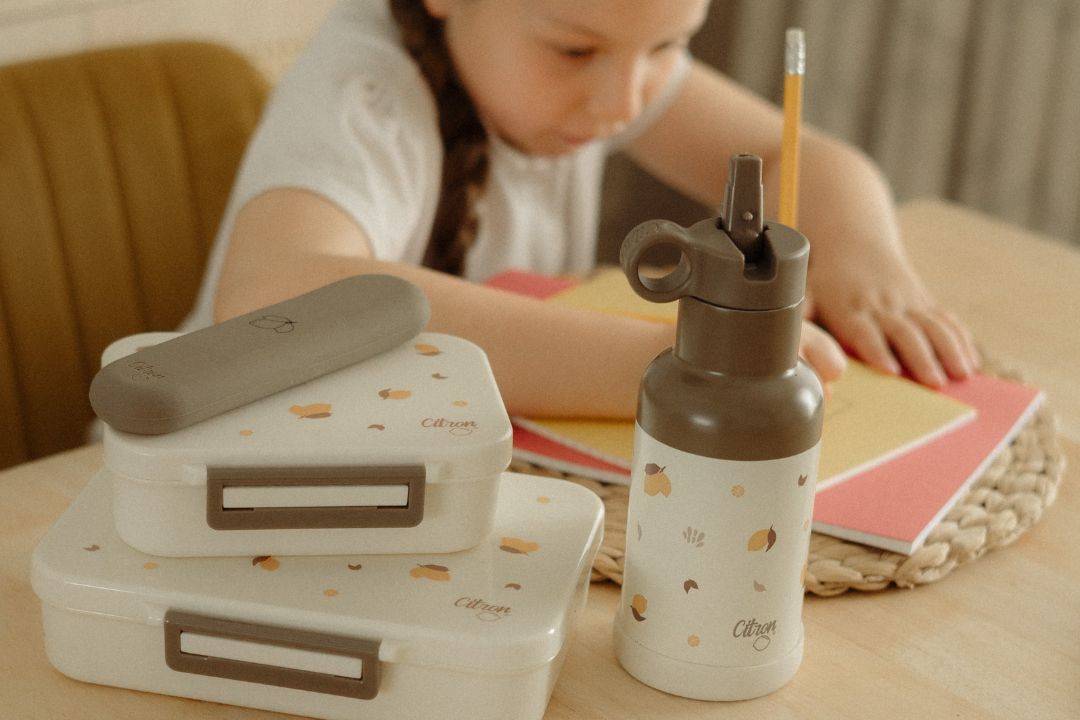
How to label and personalise every child's space for fuss-free mornings
Try labels that combine a photo, a coloured tab or a simple icon and sit at each child’s eye level on their hook, bin and coat peg so little ones can find their zone without asking. Removable magnetic or hook-and-loop backings make swapping them quick and easy. Use a consistent set of icons and the same colours across trays, hooks and calendars to reduce cognitive load and speed up morning routines. Pick wipeable surfaces, bold sans-serif lettering and high-contrast colours so labels stay legible and can be updated for seasonal clothing, changes to sports or new family members.
Personalise each area with a small photo, a child’s drawing or their handwritten name. Pop a laminated checklist into the lunch slot to prompt packing a snack, a water bottle and any spare items. Keep a spare set of labels for temporary needs such as sports days or borrowed uniform so the system can adapt without disrupting routines. Involve the children by letting them swap or update their own labels so they learn responsibility and know what to expect. Over time, seeing their clearly labelled zone helps cut down reminders and makes transitions much smoother.
Plan packed lunches with quick printable checklists.

Set simple family routines to make daily upkeep effortless
Make packing part of the arrival routine by linking it to a simple everyday action. For example, hanging up a coat can become the cue to glance at a lunch tray and kit. Use clear visual prompts: label shelves and trays with words and photos, keep a pictorial checklist at child height, and colour-code zones so children can self-serve with minimal reminders. These visuals cut down on forgotten items because one familiar action prompts several quick checks, turning a single movement into a reliable memory aid. Arrange trays and shelves to match your child’s reach so they can practise independence as these tasks become everyday habits.
Create a quick arrive-and-reset habit by asking children to empty lunch boxes into the washing-up bowl, pop worn kit on a peg or into the laundry basket, and return school items to their designated spot to keep clutter at bay. Keep a small spares station by that area with a couple of spare socks, plasters, an extra lunch container and one little note spot for anything missing so topping up becomes routine. Reinforce the sequence with short packing games and child-led checks, and tweak shelf heights or container sizes as they grow to support independence.
A compact, zoned packing station keeps lunches, school kit and coats on show, making mornings much simpler and encouraging children to pack independently. With a thoughtful layout, clear labelling and simple routines, fewer items are forgotten and you can get out the door sooner.
Plan the morning route, create distinct zones for lunch, kit and coats, personalise labels and build short upkeep habits so the set-up stays useful. Get the children involved in testing, adjust heights and containers as they grow, and keep everything visible so mornings feel calmer and independence can flourish.