
Collection: Bags & Backpacks
Little Bags, Big Adventures
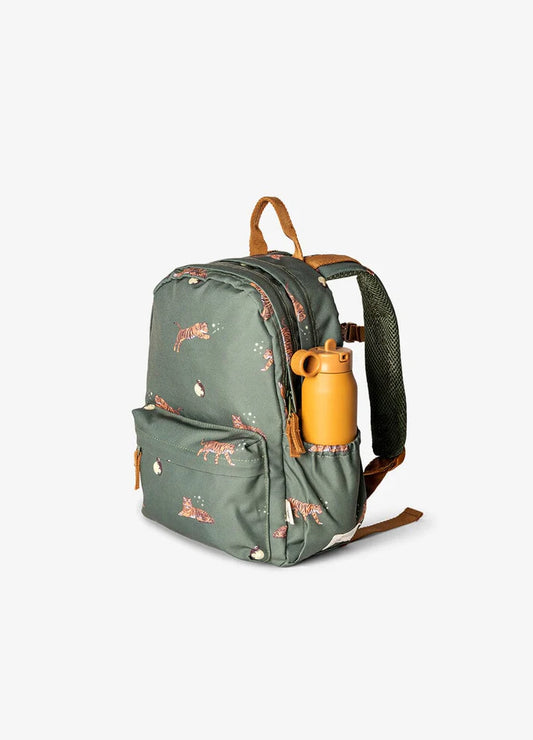
- Designed for school, nursery, and days out
- Spacious compartments to carry all daily essentials
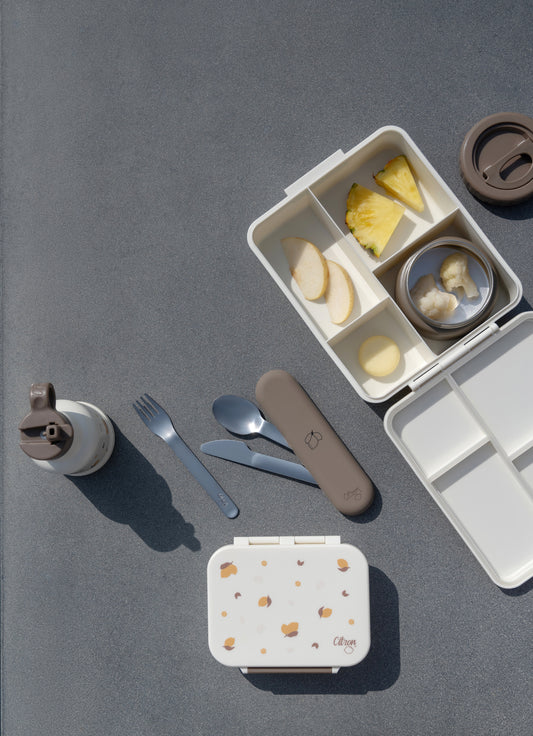
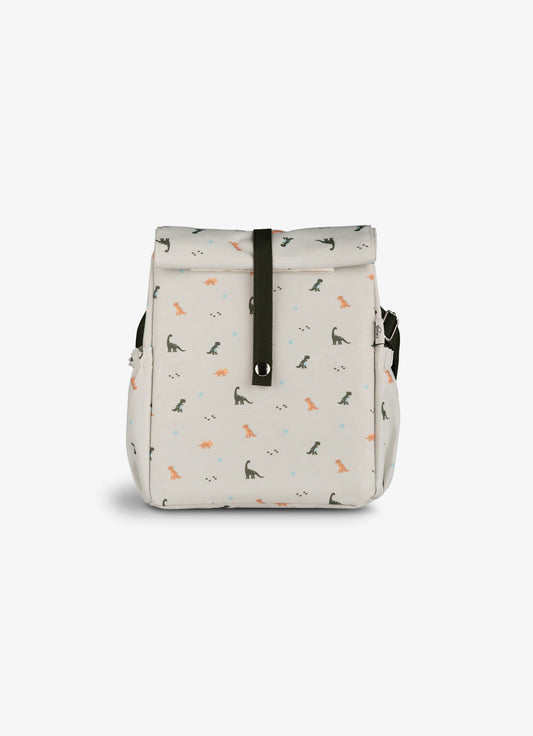
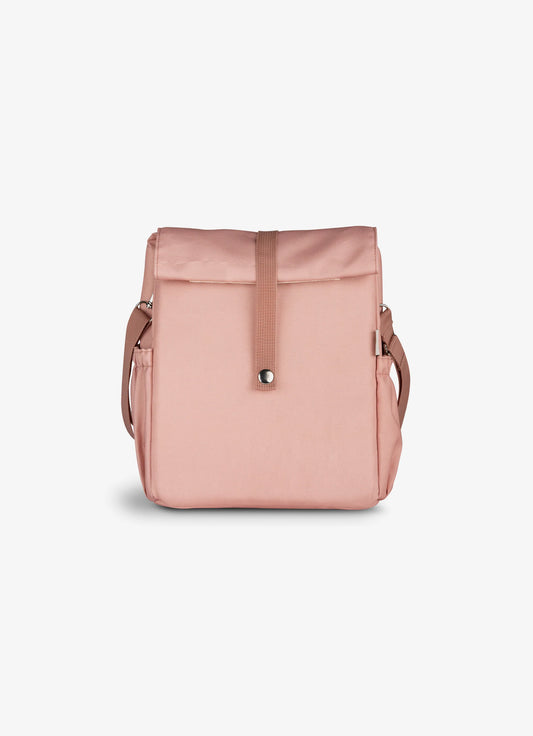
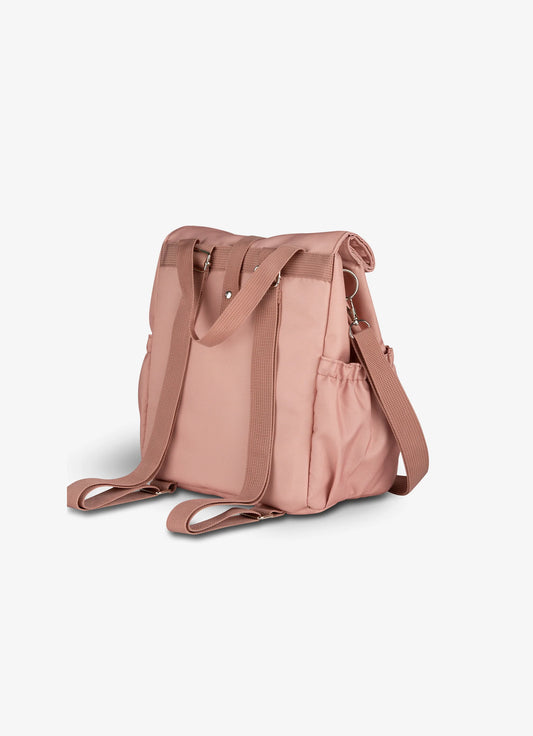
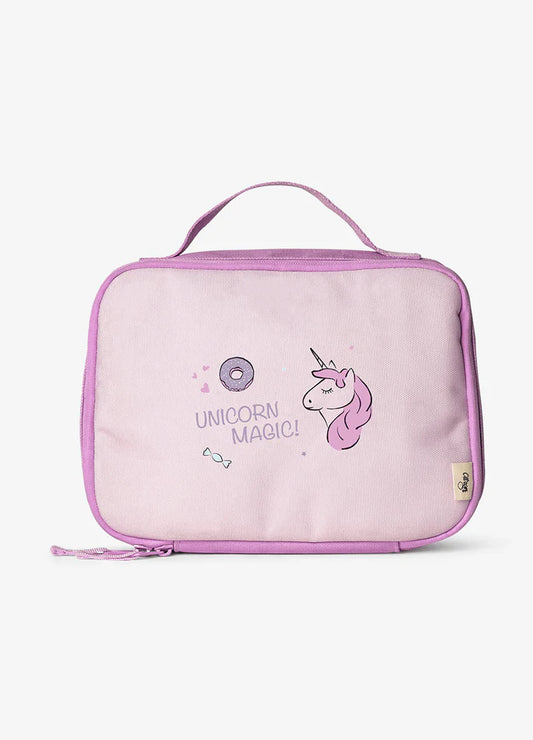
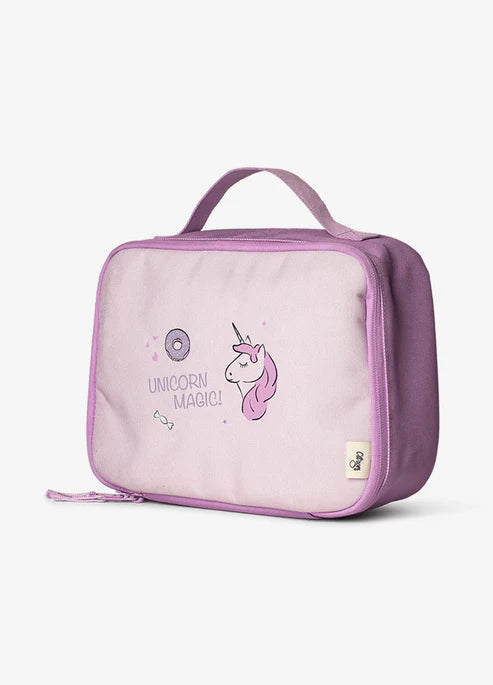
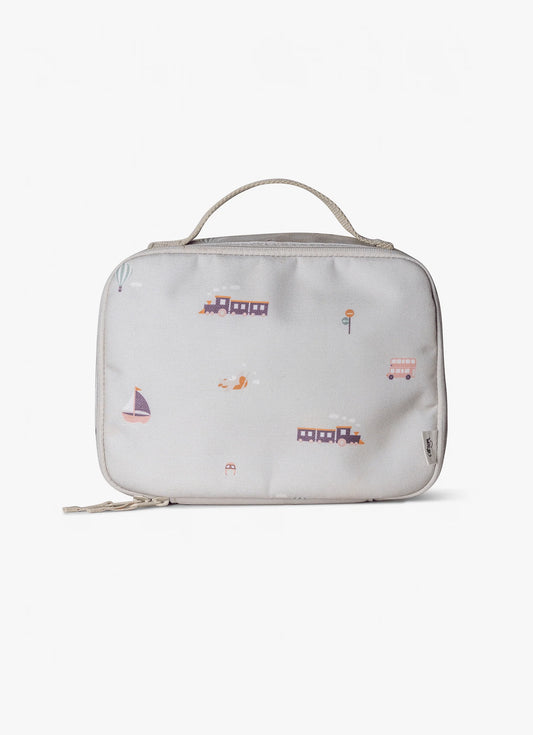
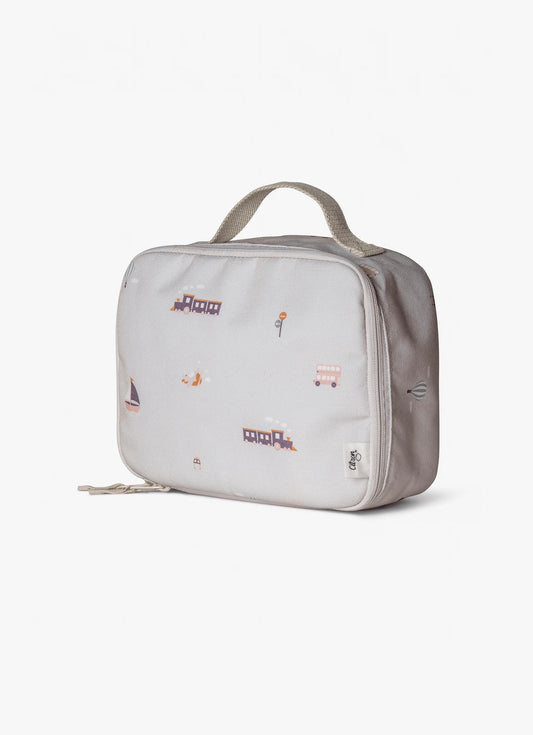
- Insulated lunch bags help keep food cool
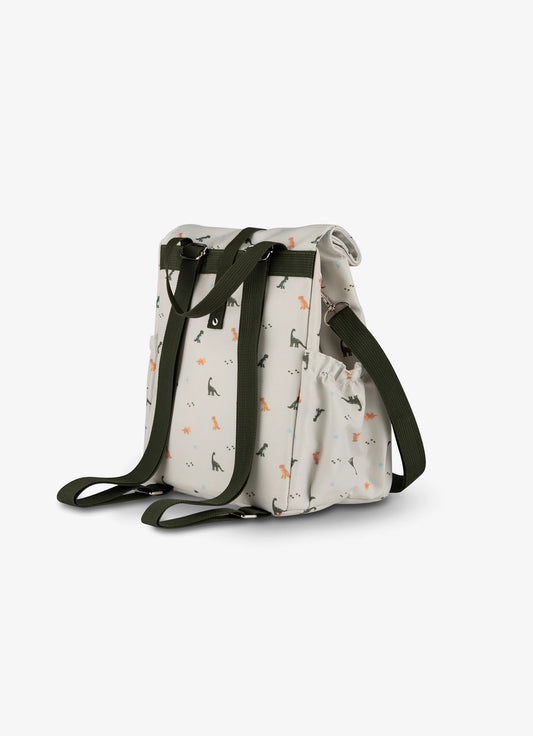
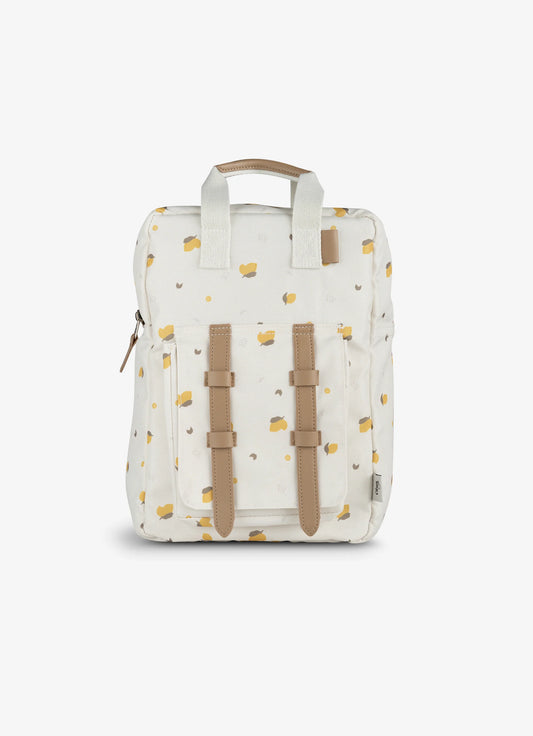
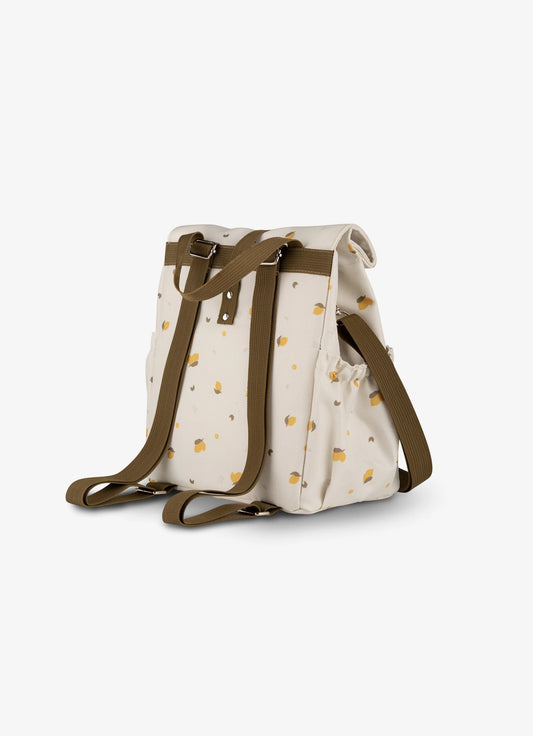
- Padded shoulder straps and carry handles for comfort
- Multiple pockets to keep snacks and belongings organised
- Name tag label helps kids easily identify their bag
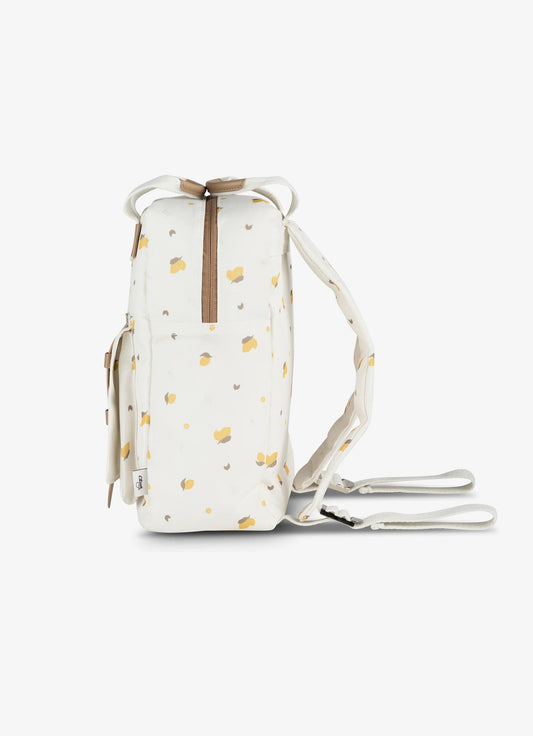
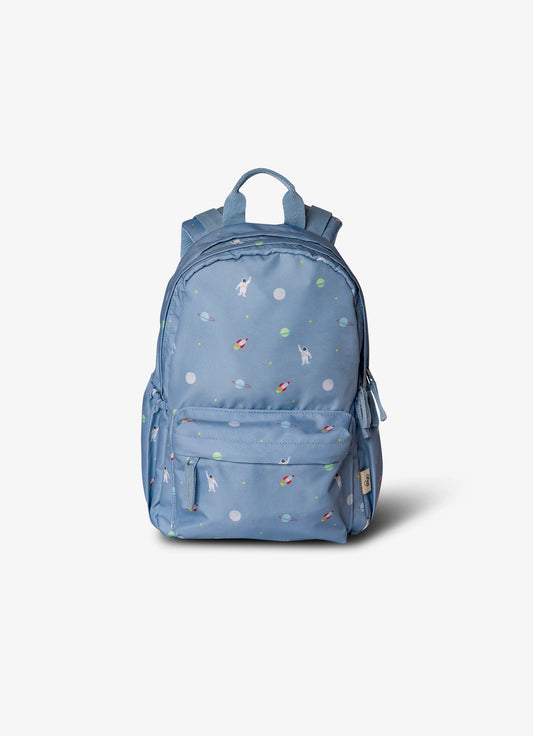
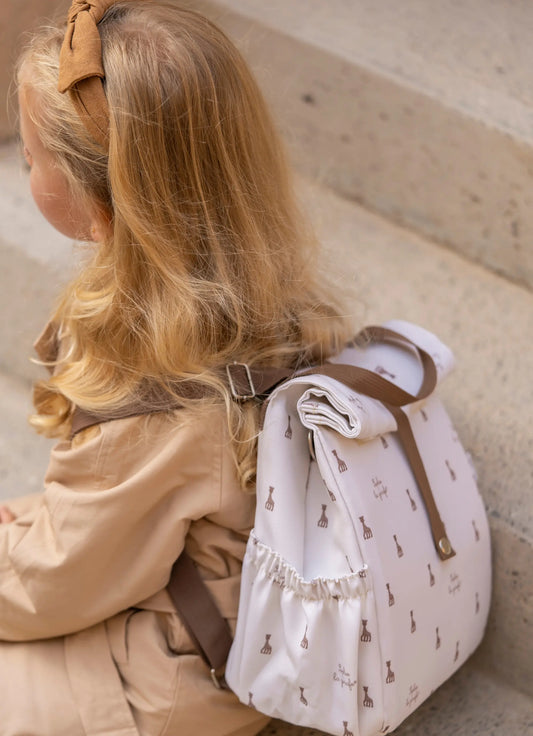
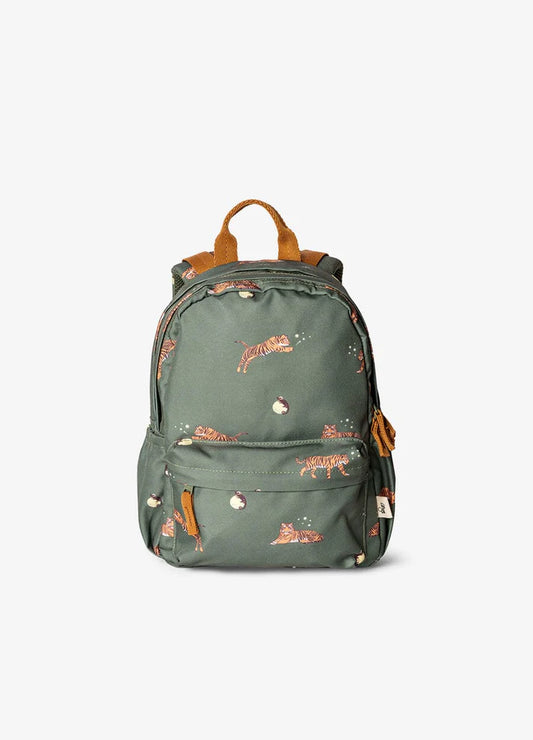
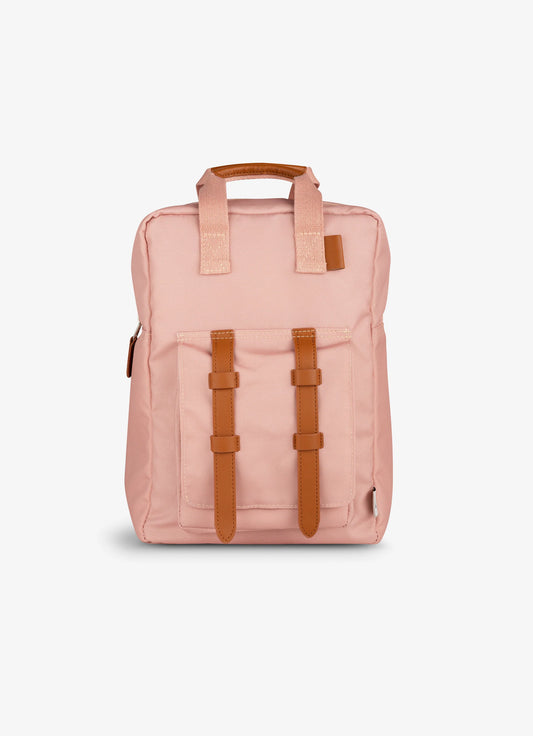
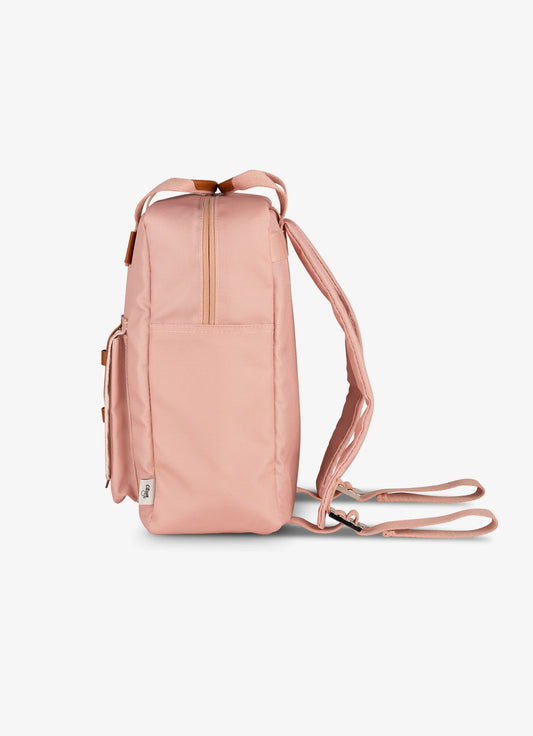
- Backpacks: mini, medium, and grand backpacks
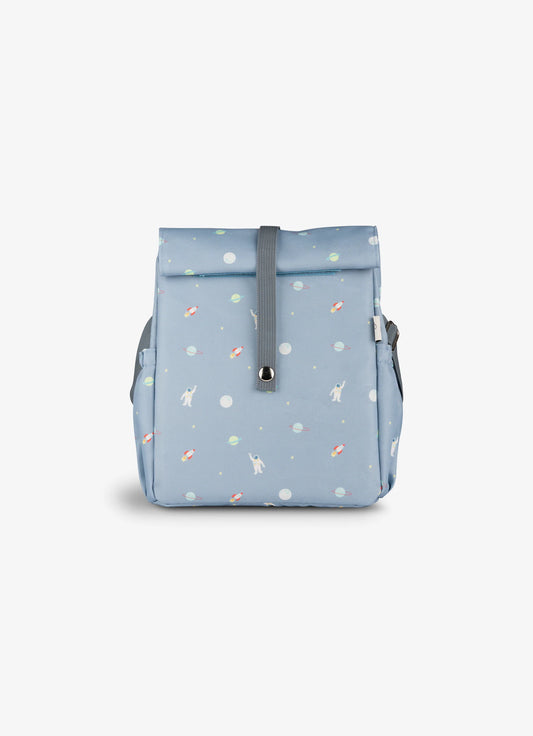
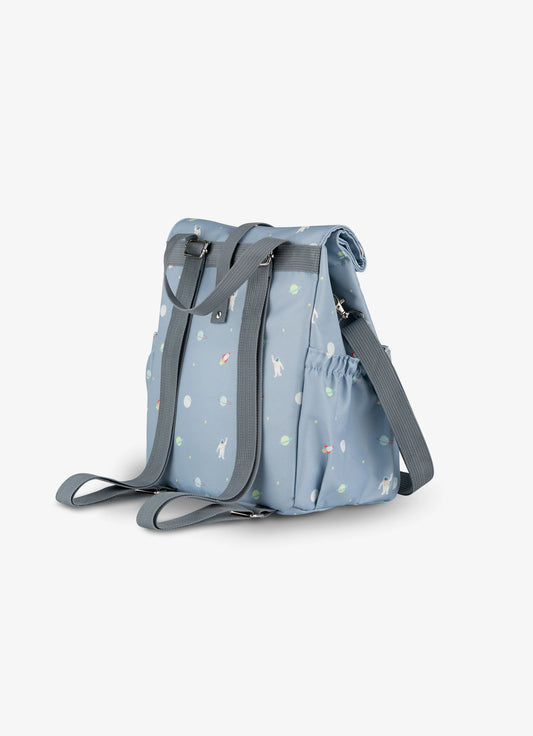
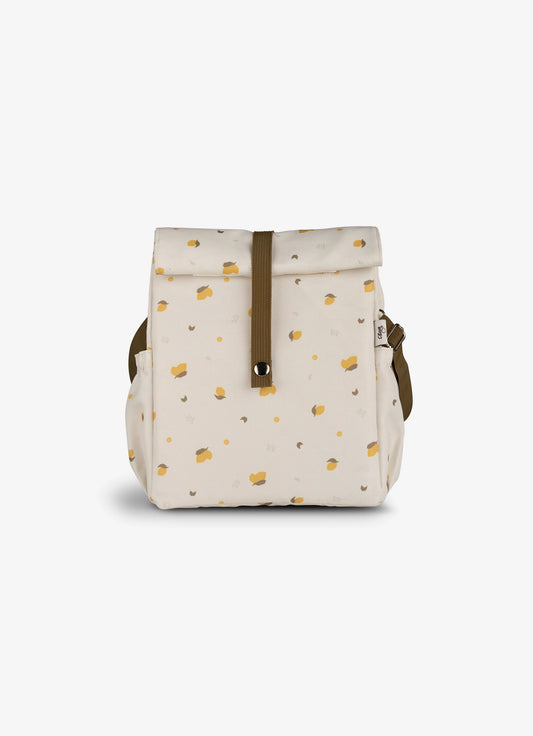
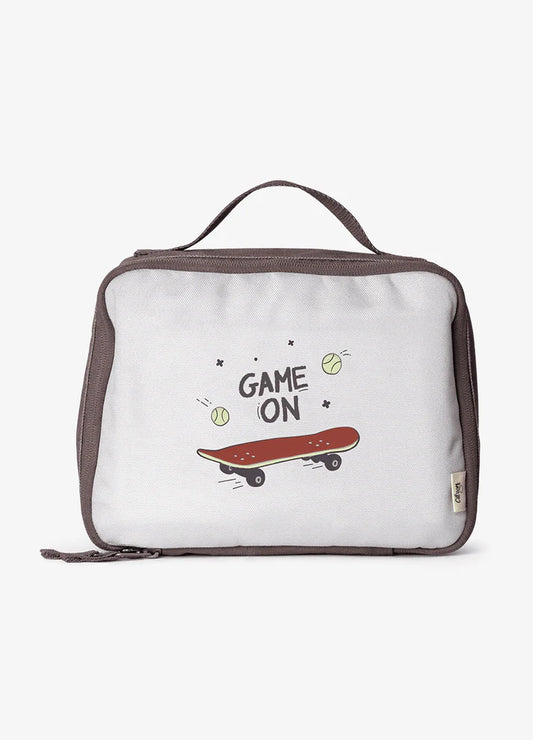
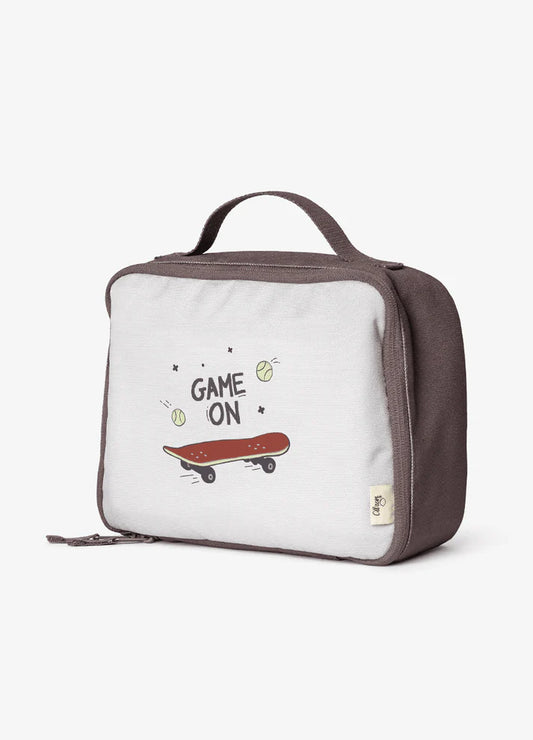
- Lunch Bags: classic and roll-up lunch bags
-
Regular price £36.00Regular priceUnit price per
-
Regular price £25.00Regular priceUnit price per
-
Regular price £27.00Regular priceUnit price per
-
Regular price £25.00Regular priceUnit price per
-
Regular price £36.00Regular priceUnit price per
-
Regular price £22.00Regular priceUnit price per
-
 Sold outRegular price £25.00Regular priceUnit price per
 -
Regular price £18.00Regular priceUnit price per
£30.00Sale price £18.00Limited Offer! -
Regular price £25.00Regular priceUnit price per
-
Regular price £36.00Regular priceUnit price per
-
Regular price £25.00Regular priceUnit price per
-
Regular price £22.00Regular priceUnit price per
-
Regular price £22.00Regular priceUnit price per
-
Regular price £27.00Regular priceUnit price per
-
Regular price £22.00Regular priceUnit price per
-
 25% OFFRegular price £43.35Regular priceUnit price per
£57.80Sale price £43.35Limited Offer!


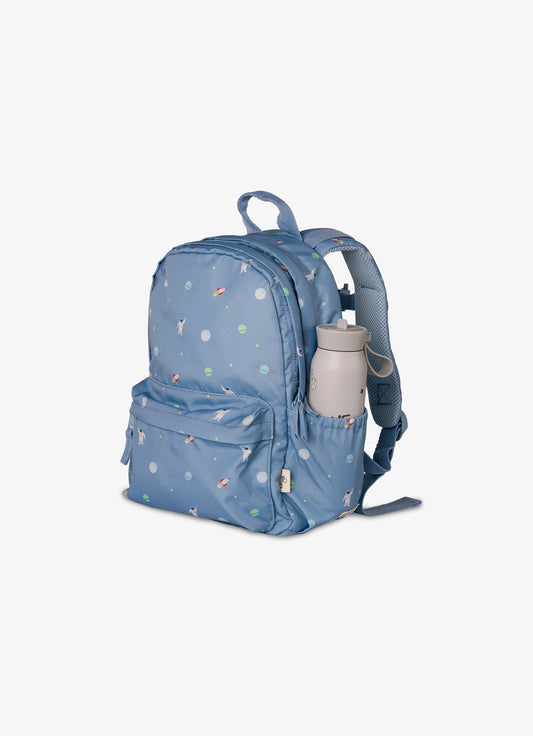
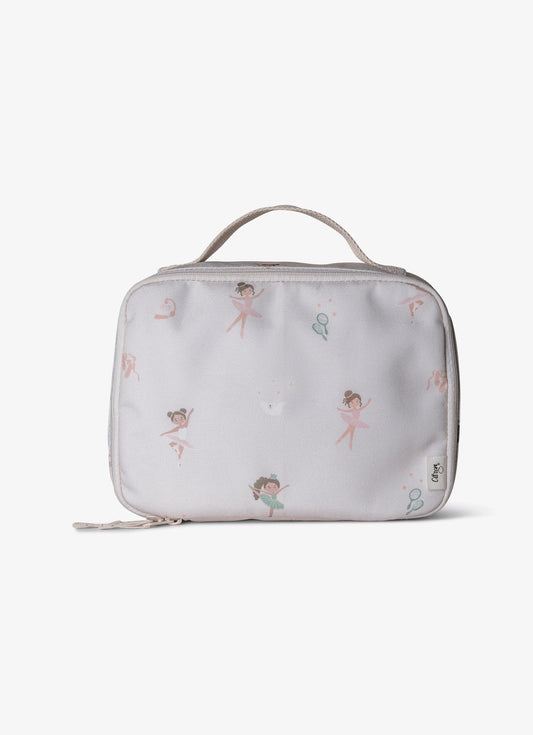
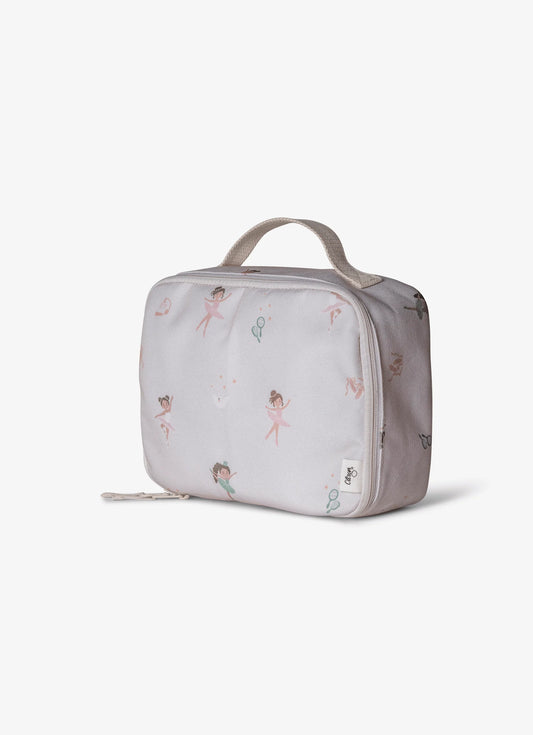
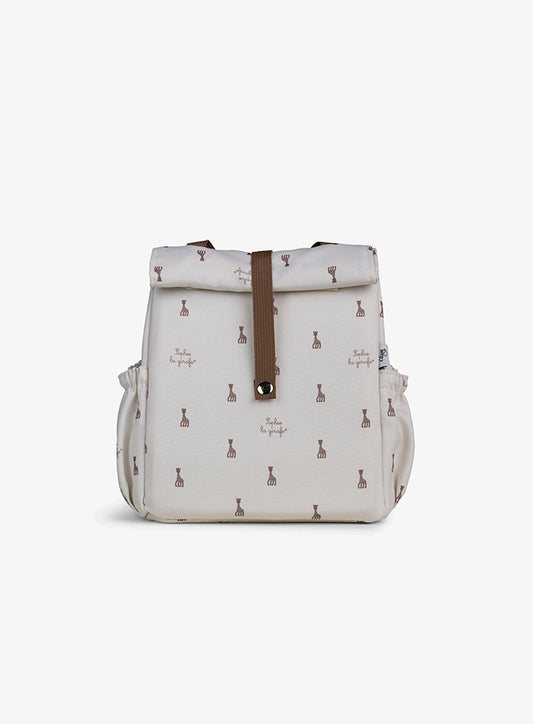
![{"image_loaded": true, "load_issue": null, "people": {"count": 1, "roles": ["child"], "visible_demographics": "one female child, approximately 6-10 years old, with light skin and brown hair styled in two braids", "attire": "white short-sleeve shirt and pink and white striped pants", "pose_or_activity": "sitting on a chair, looking inside and handling a pink and purple backpack"}, "setting": {"environment_type": "indoor", "location_hints": "wooden chair, round wooden table, beige wall, warm natural lighting"](http://mycitron.co.uk/cdn/shop/files/image_loaded_true_load_issue_null_people_count_1_roles_child_visible_demographics_one_female_child_approximately_6_10_years_old_with_light_skin_and_brown_hair_styled_in_two_braids_att_0d9cc513-8b2a-499c-987d-d6cd0ec97703.webp?v=1772555200&width=1500)
How to fit your child's school bag for comfort and balance
To measure torso length, have the child stand tall. Find the bony lump at the base of the neck (the C7 vertebra) and the top of the hip bones, then measure the distance between them. That measurement corresponds to a rucksack's back length so the bag sits between the shoulder blades and the curve of the lower back. A well-matched back length helps the weight sit where the body can support it, reducing strain and stopping the rucksack from riding too low or too high. Look for rucksacks with adjustable back lengths or several strap positions to allow for growth and changing body shapes. This simple check can make carrying books and lunch much more comfortable for growing children.
A quick checklist to help your child carry their school bag comfortably, especially useful at back to school:
- Fasten the sternum strap across the mid-chest to steady the straps and stop them slipping.
- Position the hip belt over the top of the hip bones so more load goes to the pelvis rather than the shoulders.
- Pack the heaviest items nearest the back and use internal compartments to spread weight evenly. Secure any loose items so they do not shift, because keeping weight close to the spine reduces forward pull and lowers muscular effort.
- Test the fit by loading the bag as you would for a normal day and watch your child walk, climb stairs, bend down and carry it a short distance. Look for signs of leaning forwards, slipping straps or pressure marks and adjust the straps, repeating until their posture stays upright.
- If your child complains of neck or shoulder pain, tingling in the arms, visible strap indentations or develops rounded shoulders, re-evaluate the bag’s size and adjustability and favour designs that can be reconfigured as they grow.
Choose an adjustable, eco-friendly backpack for back-to-school.
![{"image_loaded": true, "load_issue": null, "people": {"count": 1, "roles": ["child"], "visible_demographics": "toddler-age girl, likely around 18-24 months, light skin tone", "attire": "wearing a light pink sleeveless ruffled romper and a pink hair bow", "pose_or_activity": "standing sideways, facing right, holding a water bottle in her right hand, wearing a backpack"}, "setting": {"environment_type": "indoor", "location_hints": "beige carpeted floor, light-colored sheer curtain, plain walls", "depth_scale"](http://mycitron.co.uk/cdn/shop/files/image_loaded_true_load_issue_null_people_count_1_roles_child_visible_demographics_toddler_age_girl_likely_around_18_24_months_light_skin_tone_attire_wearing_a_light_pink_sleeveless_ru_ea7a86a5-2b8e-4d96-bfcc-3bcafe4c2054.webp?v=1772555186&width=1500)
Check the features of each backpack to suit your needs
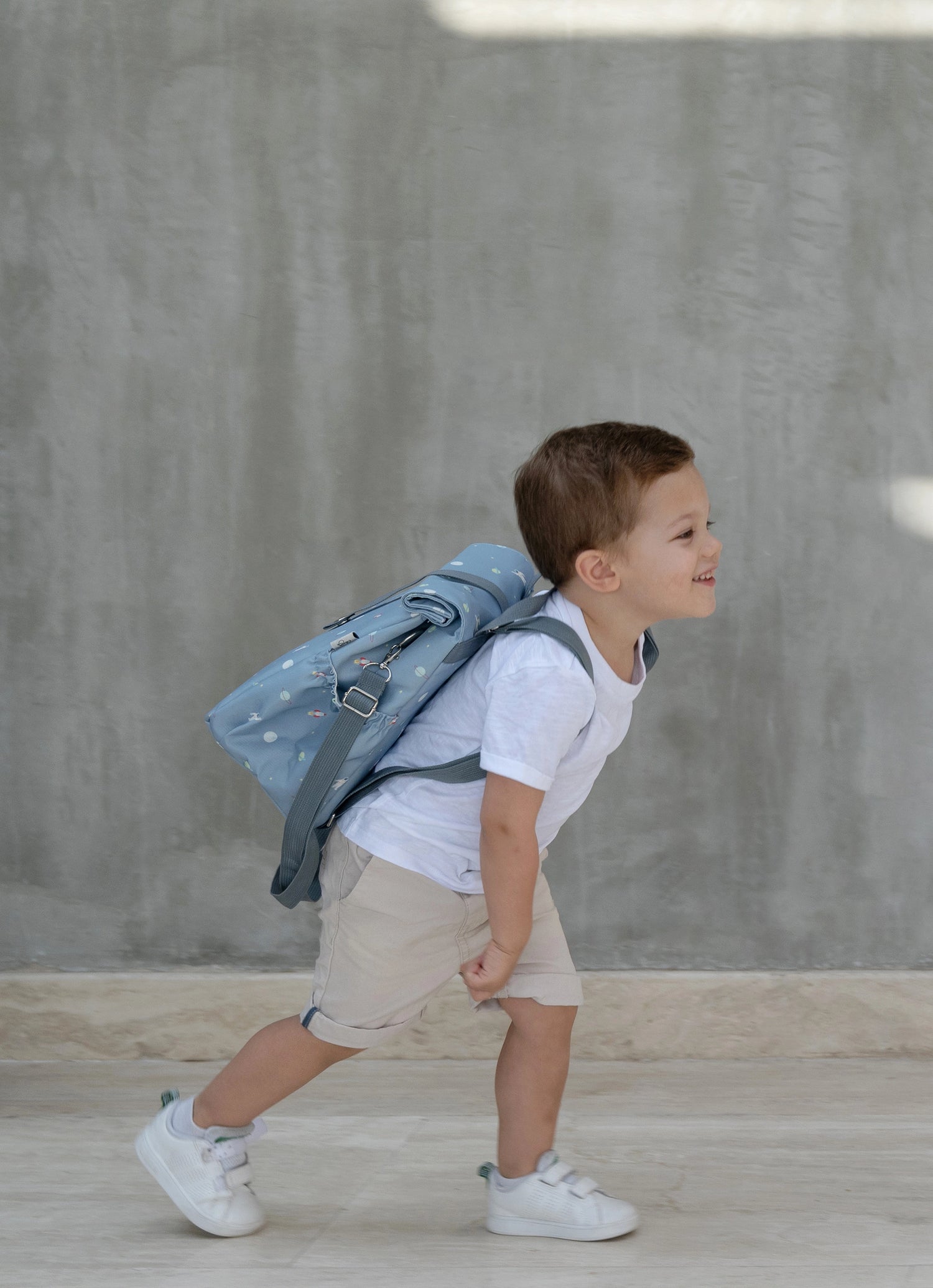
Pop a realistic load inside their bag or backpack and have them try it on so the shoulder straps sit flat on the shoulders without slipping and the base of the bag does not hang below the hips. Keeping the bag at hip height helps to centre the weight and reduce strain.
Look for contoured, padded shoulder straps and a cushioned back panel, and a stabilising fastening such as a chest strap or hip belt. Fasten the chest strap to keep the bag steady, and use the hip belt for heavier loads to transfer weight to the pelvis and support better posture.
Look for a bag with a roomy main compartment and a dedicated sleeve for a laptop or tablet for older children, plus a sturdy front pocket for stationery and small zipped pockets for keys and medicines to keep everyday packing safer. Pack heavier items close to your back to help the bag sit balanced. Choose water-resistant fabric, covered zips, a reinforced base and easy-to-clean linings, and consider a detachable rain cover for prolonged wet weather. Add reflective panels or piping, a loop for attaching a name tag and an internal ID pocket to improve visibility and make it easier to get the bag back if it goes missing.
Pack smart: choose the right capacity and care for your bag
Match the bag volume to what your child actually carries by listing every item and adding up the total in litres rather than guessing by age. A handy rule of thumb is 8 to 12 litres for early primary, 12 to 18 litres for upper primary, and 20 to 30 litres for secondary pupils who carry a tablet or large books. Picking a backpack just a little bigger than current needs can help avoid overfilling it, while access to a locker or school storage can make a smaller pack perfectly practical. Try a simple weighing test at home: weigh your child, then weigh the packed bag, and aim for the bag to be under 10 per cent of body weight for younger children and no more than 15 per cent for older ones. If the bag is too heavy, remove non-essential items, leave textbooks at school when possible, or use school storage to spread the load, espcially for smaller children.
Pack heavier items close to the back, put books and folders in middle compartments, keep everyday bits in easy-to-reach pockets, and stow loose items in a pencil case to reduce strain and clutter. A quick ten-second check plus a short packing checklist can help stop repeated overpacking. To extend a bag's life, wipe out crumbs and damp patches, let it air fully before storage, inspect seams, straps and zips for wear, and repair small rips or replace padding as soon as you notice damage. A little regular care keeps a bag comfy and ready for the school run.
Join us @citron.england
See how Citron works for real families, with everyday routines, lunch ideas, and school essentials.