

Fed up with lunchbox contents turning into a soggy, flavour-mashed mess? With a few simple swaps and a bit of planning, you can keep foods separate and preserve their textures and flavours.
In this post we share three simple, practical strategies: choose travel-proof, child-friendly foods; create compartments using leakproof containers; and organise portions for tidy, easy eating. Use these tips to cut leaks, save time at the school gate, and hand over lunches that still look and taste fresh.

1. Choose travel-proof, kid-friendly foods
Choose sturdy, low-moisture foods that hold their shape and flavour, such as whole or halved grapes, apple slices briefly tossed in lemon juice, carrot and pepper sticks, and cooked chicken strips. Firmer textures shed less juice, so they are less likely to make neighbouring foods soggy. Pop dips, yoghurt, salad dressings, and sauces into small, leakproof pots and keep them separate until mealtime to prevent flavour migration and texture changes. Create physical barriers inside the lunchbox with reusable silicone cups, greaseproof paper, or an extra lettuce leaf, and tuck an absorbent paper napkin under cut fruit to soak up free juice and help preserve crispness.
Separate strong-smelling items from milder ones. Pack oily fish, mature cheese, or highly spiced foods in their own sealed compartment or small pot so crackers, fruit, or sweet treats do not pick up the smell or flavour. Portion foods into single portions, and include neutral palate cleansers such as plain crackers, cucumber sticks, or rice cakes to reset the taste between bites. An insulated bag with an ice pack keeps chilled items firmer, which reduces aroma spread and keeps textures crisper. Together, these simple steps limit sogginess and unwanted flavour transfer, helping each component taste as intended.

2. Create leakproof compartments to keep packed lunches fresh and separate
You can try these simple lunchbox tricks at home. Nest small screw-top jars with silicone gaskets inside a larger box, and tip each lid upside down before packing so any compromised seals show up quickly. Fit flexible silicone cups or removable dividers into the lunchbox to create modular compartments; silicone conforms to odd shapes, reduces empty air where juices can migrate, and helps keep items neatly separated. Freeze sauces or dressings in small, sealed pots and pack them as cold packs; they stay contained while frozen, lower the surrounding temperature, and melt into ready-to-use condiments by mealtime.
When packing for school or a day out, line compartments that hold moist foods with a single layer of absorbent paper or a thin cotton cloth, and wrap delicate items individually to reduce moisture transfer and abrasion. Add a small vented slot for crisp items to limit condensation and keep textures separate. For pungent or runny foods, create double barriers by placing a sealed container inside a secondary pouch or cup, keeping all liquids upright, and cushioning the lunchbox to prevent tipping. Before you leave, give the whole box a firm shake to check stability and leaks, and replace any container that leaks.
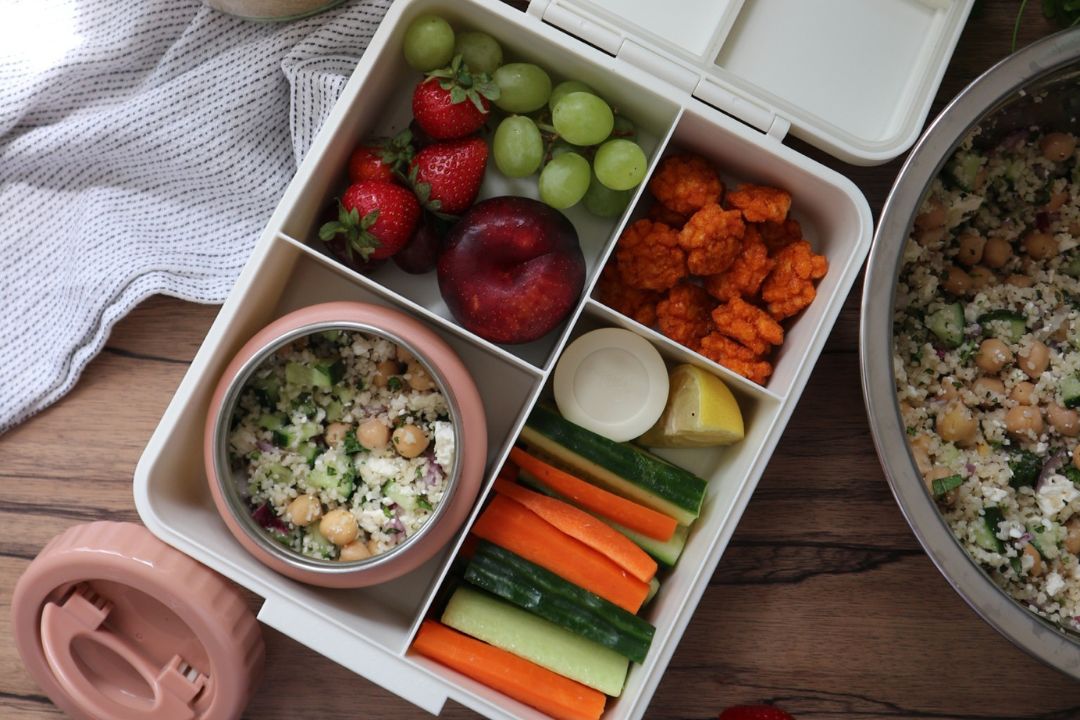
3. Serve neat portions for tidy, easy eating
Portion sauces and dressings into small, sealed pots and pack them separately. This prevents sogginess and keeps leaves and crunchier bits crisp when you rebuild the lunch at the table. Arrange items by moisture and oil content: keep dry, crispy foods, like crackers or toasted seeds, well away from juicy or oily ones, such as cherry tomatoes or marinated olives, because moisture and grease can migrate and quickly soften textures and dilute flavour. Cut food into bite-sized, single-serve pieces so people can pick items without disturbing their neighbours, reduce flavour transfer, and keep the box tidy.
Try compartmentalised containers or reusable silicone dividers to keep foods apart. Put heavier items underneath lighter ones to avoid crushing delicate things like salads, pastries, or crisp vegetables. Separation also makes the box easier to eat from, because each compartment keeps aromas and oils contained; that helps flavours stay distinct and textures remain crisp. Pack in the order you plan to eat, and pop small utensils or picks into the box if needed, placing foods you will eat first on top to reduce handling and keep the rest ready to eat. These small adjustments preserve texture, keep flavours separate, and make it quick to assemble the meal at the table.
As these adjustments show, keep components separate to preserve texture and flavour. Low-moisture, sturdy items shed less juice, sealed pots prevent sauces from spreading, and absorbent liners catch any stray drips.
Try three simple approaches: choose travel-proof foods, create leakproof compartments, and organise portions to reduce handling, speed up lunchtime, and keep the box tidy. Before you head out, do a quick seal and stability check so you hand over lunches that still look fresh, taste great, and are easy to eat.