

Ever opened a lunchbox to find crisps and carrot sticks gone soft rather than crunchy? Trapped steam, condensation, and direct contact with moist foods transfer moisture into dry snacks, causing them to lose their crisp texture.
This guide shows how to choose compartmentalised lunchware, use reusable separators and small cups, prepare foods so they stay crisp, and manage storage, temperature, and timing to preserve crunch. Try these practical, evidence-based tips to keep crunchy and moist foods separate, so every bite delivers the texture you expect.

Why moisture ruins the crunch in snacks and packed lunches
Crunch fades because water vapour moves from the wetter parts of a food toward the drier ones. When that vapour meets a cooler surface it condenses into liquid, which soaks crumbs and batters. You can see this for yourself: place a freshly fried piece under a lid and droplets will form on its surface while the crust goes limp. That movement of moisture explains why keeping vapour away from delicate surfaces helps preserve a crispy texture.
Keep moisture away from crunchy layers by giving vapour a way out and stopping it from moving into the surface. When packing sandwiches, pastries, or snacks, use raised racks, perforated trays, or compartmentalised containers so steam can escape, and avoid stacking items on absorbent paper. Keep wet elements separate until serving by packing dressings and sauces in small pots, or protect the crumb with a lettuce leaf, a slice of cheese, or a thin layer of butter between crumb and filling. Add the crunchy component last; it will stay crisp far longer than one assembled well in advance. Reduce surface porosity with a light dusting of starch or dry breadcrumbs, a thin oil glaze, or an egg wash, and give a short blast of high heat after finishing to set that barrier and slow moisture uptake. If sogginess does occur, cool items before sealing, store them ventilated or in a single layer, and use dry heat (a few minutes in the oven or toaster) to evaporate absorbed water and help the structure firm up again.
Keep sandwiches ventilated in reusable, wipe-clean bags.

How to choose compartmentalised lunchware and create smarter layouts
Try matching compartment shape and size to a food's texture. Shallow, ventilated wells suit crisp items, while deep, sealed sections hold moist dishes. Removable inserts let you adapt the layout for sandwiches, crudités, or yoghurt pots. Allowing airflow around crunchy elements while containing steam-producing foods reduces condensation and helps keep things crisp. Line compartments with an absorbent barrier or reusable silicone cups, and pat salad leaves, sliced fruit, and cooked grains dry with a tea towel before packing to remove surface moisture. These simple steps limit moisture migration, which would otherwise make crackers and fried toppings soggy.
Keep sauces, dressings, and yoghurt in small, leakproof pots and tuck them into their own compartment, or nest them in a soft item so they do not tip. Sealing liquids prevents steam and spills from making other foods soggy. Group foods by moisture: place high-moisture items such as tomatoes, cucumber, and cooked rice together in sealed sections, and keep dry snacks like crackers, croutons, and fried toppings separate to reduce cross-contamination. Protect texture by elevating crunchy components on a small rigid platform or a folded piece of paper to allow airflow, secure lids so nothing gets crushed, and add any crisp toppings as the final step when you close the box.
Keep sauces sealed and textures crisp with leakproof compartments
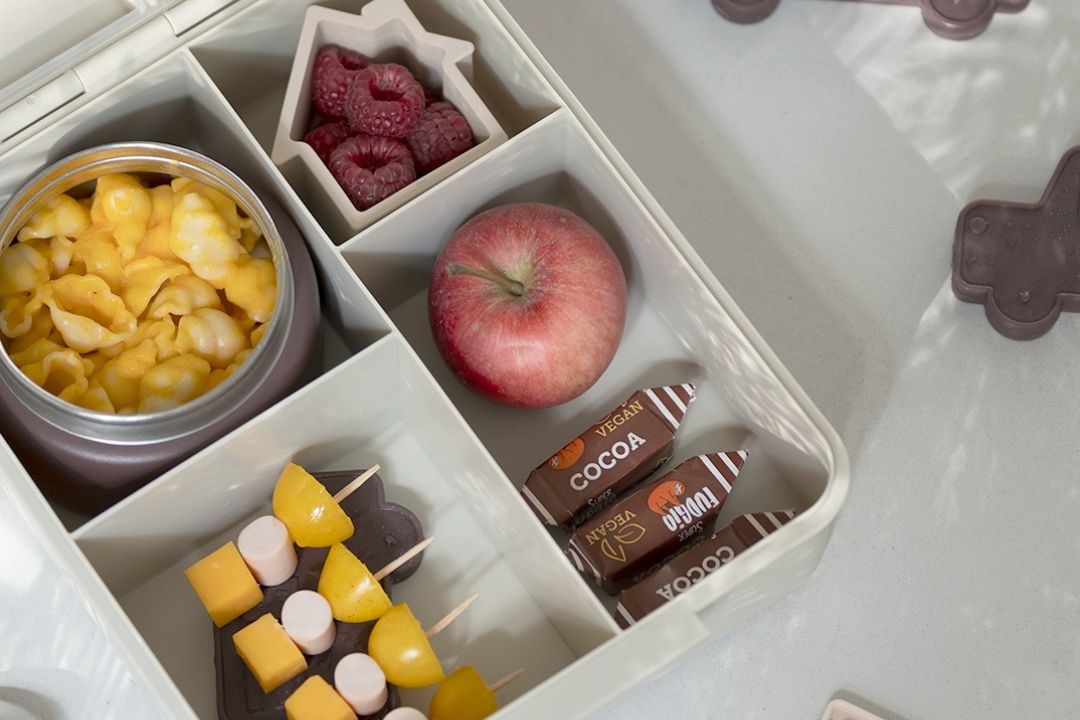
Pack neater, greener lunches with reusable separators, cups, and dividers
When packing a lunchbox, match your separators to the food. Rigid dividers, silicone cups, or upright containers keep juicy or heavy items from touching and crushing delicate foods, which helps preserve texture and makes portions easy to swap. For example, tuck a divider between a yoghurt pot and crackers, or pop hummus into a silicone cup so the crackers stay crisp. Permeable liners, such as greaseproof paper or perforated parchment, allow steam to escape, while porous materials, like a clean piece of kitchen roll, absorb stray moisture. Non-porous surfaces trap oils and odours, so choose breathability or a full barrier depending on whether you need to release steam or keep scents contained.
Sort foods by temperature and moisture. Keep wet items in their own compartment, and place crunchy pieces above or beside them rather than underneath to cut down on condensation. Insulate warm, wet dishes to slow steam escaping, and give crisp foods a breathable pocket or a thin absorbent layer beneath to catch stray damp and preserve a dry surface. For the school run or a picnic, pack crunchy elements separately, tuck a slim absorbent cloth in your bag to pat pieces dry if needed, and assemble just before eating. When reheating, use a rack or perforated tray so hot air circulates around the food rather than trapping steam against it; that helps restore crunch.
Separators, packing and reheating to preserve texture
- Choose materials by breathability and barrier needs: use rigid dividers or silicone cups to prevent contact and crushing for delicate items such as pastries and tempura; use perforated parchment or greaseproof paper under roasted or steamed items to let steam escape while catching oil; place a clean paper towel or other porous absorbent beneath chips and crisps to wick stray moisture; use non‑porous liners for saucy or strongly scented foods to contain liquids and aroma.
- Group items by warmth and moisture, isolating moist, warm dishes and insulating them so steam does not reach crunchy elements; place crisp items above or beside moist ones, or in a separate compartment, and use upright containers or portioned inserts to stop heavy items squashing lighter ones.
- Pack for transport and assembly: carry crunchy components separately in a breathable container, and include a lightweight sheet or paper towel for wiping away surface moisture on arrival; insulate hot, wet dishes with a snug lid or wrap to slow steam loss, but leave a small vent if condensation could build; assemble just before serving to maximise texture.
- Reheat to restore crispness: heat on a rack or perforated tray in an oven, toaster oven, or air fryer to crisp evenly while allowing moisture to escape; remove absorbent layers before reheating, place items directly on the rack to crisp all sides, and avoid closed containers that will steam the surface.

How to prep and pack school lunches that stay crisp
Let hot food cool completely on a wire rack with the lid slightly ajar so steam can escape. Sealing warm food traps moisture, which will then condense and soak crisp coatings. Use vented or slightly propped lids while items cool, and close containers only once they feel cool to the touch to avoid internal condensation. Pack wet elements and dressings separately in small, leakproof pots or silicone cups so each diner can add them at the table and control texture, temperature, and seasoning.
To help keep fried or roasted food crisp when you pack it, line the container with a single sheet of kitchen paper or a breathable paper liner to catch surface moisture, and replace the liner between uses. A perforated insert, or a slightly raised rack, lets air circulate and minimises sogginess. Make physical separators with silicone baking cases, rigid dividers, or folded baking parchment to stop moist ingredients touching crisp ones. For extra protection against oil-soaked sogginess, dust fried items lightly with plain flour or cornflour; the thin coating soaks up residual oil and slows moisture migration so textures stay distinct.
Keep meals crisp and separated on the go.

How to keep packed lunches crisp: storage, temperature, and timing
Keep wet and crunchy components apart using compartmentalised boxes, baking parchment, or silicone cups. Reducing direct contact limits the surface area moisture can travel across, which slows the loss of crispness. Let hot food cool toward room temperature before sealing containers. Sealing while food is still warm traps steam; as it cools, that steam condenses on the container walls and softens coatings, batters, and crumbs. Line boxes with a single layer of paper towel, a breathable cloth, or plain baking paper to absorb surface moisture. That lowers the local humidity inside the box and helps crunchy foods stay crisp for longer.
Match container ventilation to the food. Use vented or loosely closed containers for short-term storage of warm foods so steam can escape, and airtight containers for fully dry items you want to keep crisp, such as crackers or cereal. Pack dressings and sauces in sealed pots, and add crunchy elements, like nuts or crispbread, at the last minute to prevent them softening. If crunch arrives flattened, revive it with a quick blast of dry heat in a warm oven, a few seconds under the grill, or a short turn in the toaster to evaporate surface moisture and recrisp textures. These steps reduce moisture transfer and control condensation, giving you simple options to preserve or restore crunch depending on when you plan to serve the food.
A few simple steps will help keep crunchy foods crunchy: stop moisture and vapour reaching delicate surfaces, and prevent condensation and direct contact that softens textures. Use compartmentalised lunchware to keep moist and dry items apart, add reusable separators or absorbent liners to create an air gap, and let freshly cooked items cool on a wire rack so steam can escape rather than make crumbs soggy.
Try a few simple, science-backed tricks when packing or reheating. Match container ventilation to the food: use vented containers for steamier dishes so moisture can escape, and sealed containers for saucier items to keep them together. Pack dressings and sauces separately, and add crisp toppings, such as seeds or toasted breadcrumbs, at the last minute. Used together, these steps reduce sogginess and help reheated meals keep their texture.
FAQ
What causes crunchy foods to go soggy in a lunchbox?
Water vapour moves from moist components to drier ones and condenses on cooler surfaces, so steam and direct contact with wet foods soak crumbs and batters and collapse crisp textures.
How should I pack a lunch to keep crisps and crunchy toppings crisp?
Use compartmentalised containers, rigid dividers, or silicone cups to prevent contact, line with a single absorbent layer or perforated paper to capture stray moisture, group high-humidity foods together, and pack sauces in leakproof pots so crunchy items are added or unsealed only at the last minute.
When should I seal containers after cooking to avoid condensation?
Allow hot food to cool on a wire rack with the lid ajar until it is no longer warm to the touch, then close containers to prevent trapped steam from condensing on crisp coatings.
Can I restore crispness if something goes soggy, and how should I reheat it?
Yes; use dry heat on a rack or perforated tray in an oven, toaster oven, or air fryer so hot air circulates around the food, remove absorbent layers, and avoid closed containers that will trap steam.
What materials work best as separators and liners to control moisture?
Choose rigid dividers or silicone cups to stop crushing, perforated parchment or greaseproof paper to let steam escape, porous paper towels to wick moisture, and non-porous liners for saucy or strongly scented foods.