

Ever find your child's lunchbox coming home half-full or vegetables untouched? Packing the right portions reduces food waste and helps children stay energised through the school day, supporting concentration in class and activity at breaktime.
This guide shows you how to tailor portion sizes to your child's age, appetite, and activity levels, balance protein, carbohydrates, and veg, and cut food waste with smarter packing and repurposing of leftovers. Practical portion charts and simple packing tips help you avoid uneaten food, make mornings less fraught at drop off, and make lunchtimes more satisfying for the whole family.
Tailor portions to your child's age, appetite, and activity
Use your child's hand as a simple portion guide: a palm-sized portion of protein (think sliced chicken or tofu), a fist-sized portion for starchy foods like pasta or rice, a cupped hand for fruit or vegetables, and the thumb for denser fats such as nut butter or avocado. These measures naturally scale as they grow and mirror guidance used by nutrition professionals. Match portions to activity and appetite rather than a fixed rule — increase carbohydrate or snack portions on PE or very active days, and trim bulky starchy items on quieter days. Treat returned food as direct feedback: consistently empty lunchboxes suggest you can increase portions, while frequent leftovers show you should reduce them. Try jotting down what gets eaten for a week or two, then make small changes, such as trimming a sandwich or swapping a whole piece of fruit for slices, to refine portions quickly.
Try packing several small, separate components rather than one large item. Offer two or three modest choices in separate pots or compartments so your child can combine what they wants, and you avoid a single overwhelming portion being discarded. Prioritise energy-dense, balanced items by including compact sources of protein and healthy fats alongside a child-friendly veg or fruit—for example, cheese cubes, hummus with oatcakes, a boiled egg, or sliced banana and grapes. Cut foods into finger-friendly shapes and choose ready-to-eat pieces so they can eat independently. After school, note what comes back uneaten and tweak future lunches accordingly. This reduces waste far more quickly than guessing.
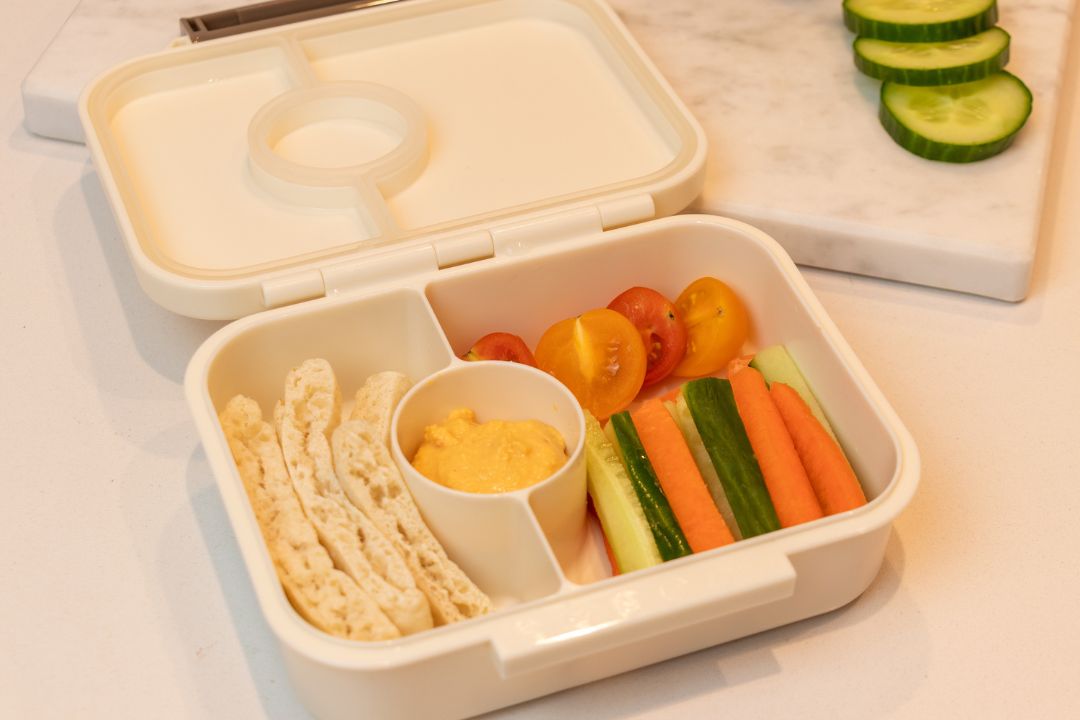
Pack portions into four compartments to reduce lunch waste.

How to portion your family's meals to balance protein, carbs, and veg
Aim to divide the lunchbox visually: roughly half for vegetables, a quarter for protein, and a quarter for starchy foods. Place the most colourful vegetables in the largest compartment to make them more appealing. Estimate portions visually: a small serving of protein, a fist-sized portion of carbohydrates, a cupped handful of fruit, and a thumb-sized dollop of high-fat items such as nut butter or avocado. Measure once to set those portions, then eyeball them on busy mornings. Pack moist elements, like dressings, dips, and yoghurt, in small sealed pots to preserve texture; parents often report this helps children eat more of their lunch.
Start slightly smaller, and include a labelled small pot for seconds so your child can ask for more without wasting a full portion. Send uneaten food home and note what comes back each day; after a week you should see patterns to fine-tune portions to appetite and activity level. Assemble bite-size combos that put a protein, a carbohydrate, and a veg on each forkful, for example mini wraps, skewers of cooked meat with peppers and rice, or cubes of cheese threaded with courgette. Serving complete bites makes it easier for children to eat a balanced mix instead of leaving parts behind.
Plan compartments and portions with a printable weekly planner.

Minimise waste by smart packing, storing, and repurposing leftovers
To minimise waste, try portioning lunches using simple visual cues: a palm-sized portion of protein, a fist-sized portion of carbohydrate, two cupped hands of vegetables or fruit, and a thumb-sized amount of spread or nut butter. Pack components separately in compartmentalised boxes and leakproof pots, and put dressings or dips into small pots so food stays crisp and your child can combine elements at lunchtime. Start slightly smaller, then add a little extra if they regularly finish their lunch. Use small, single-portion pots for snacks so the amount is clear and leftovers are easier to manage.
Make leftovers feel new to avoid waste. Cold roast meat can be sliced for sandwiches or chopped into salads, leftover vegetables mash into a dip or a simple pasta sauce, and chopped fruit works well stirred into yoghurt pots or mixed into muffin batter. Offer your child a choice between two portion sizes, and note which items come back uneaten so future packs better match their appetite, texture, and flavour preferences. Small, clearly defined portions encourage finishing what is packed and make it easier to reuse any leftovers the next day. Used consistently, this approach cuts single-use packaging and food waste, while keeping lunches appealing and tailored to your child.
As a practical step, pack appropriately sized, separate components in individual containers or compartments that balance protein, starchy foods, and veg. That small change cuts waste and means more of the lunch actually gets eaten. A simple rule of thumb is a palm-sized portion of protein and a fist-sized portion of carbohydrate. Note what comes home for a week, then tweak portions to match your child's appetite.
Serve slightly smaller portions, pack any uneaten items in small pots to bring home, and reuse leftovers in salads, dips, or muffins to cut food waste and learn your child’s preferences. Keep a simple note for a week of what comes back and what gets eaten, then make small adjustments — for example, give a little more of what disappears quickly, or swap out items that are always returned. Small tweaks over time reduce waste, help keep your child energised for learning and play, and make lunchtimes easier for everyone.