

Is your child's lunchbox half-empty one week and overflowing the next? Rapid growth spurts, activity levels, and picky phases turn portion planning into a guessing game.
This guide covers three practical approaches: adjust portion sizes as appetites change, pick modular lunchboxes that adapt to different days and foods, and pack smart to cut waste and fit growing appetites. Try splitting meals into small pots to avoid leftovers, using removable compartments to keep flavours separate, and including one familiar favourite to reduce refusals. These simple, child-friendly packing strategies save time, reduce food waste, and help you match portions to the day ahead.

1. Adjust portion sizes as your child's appetite changes
Use simple visual portion guides to scale servings without a kitchen scale. A child’s fist makes a handy measure for starchy mains such as pasta or rice, a cupped hand works for salad and pieces of fruit, and a thumb-sized amount suits high-calorie extras like nut butter or cheese. Opt for modular lunch containers with removable dividers so you can reconfigure compartments as appetites grow, swap in a larger section when needed, and keep lids and flasks compatible so you only change one piece at a time. Pack a mix of energy-dense and voluminous foods, for example nut butter, hummus, or mashed avocado alongside crunchy veg and fruit, to increase calories without a dramatic rise in volume.
Track leftovers for a week to see what your child actually eats. Make a simple note each day of which items come back uneaten. If more than half of a particular food returns across the week, reduce that portion by about a third, then reassess the following week. Involve your child by offering two portion sizes and teaching easy hunger cues, such as "still a bit hungry" or "full." Over a few weeks you can upsize or downsize the lunchbox to match appetite, helping cut waste and avoid overpacking empty space.
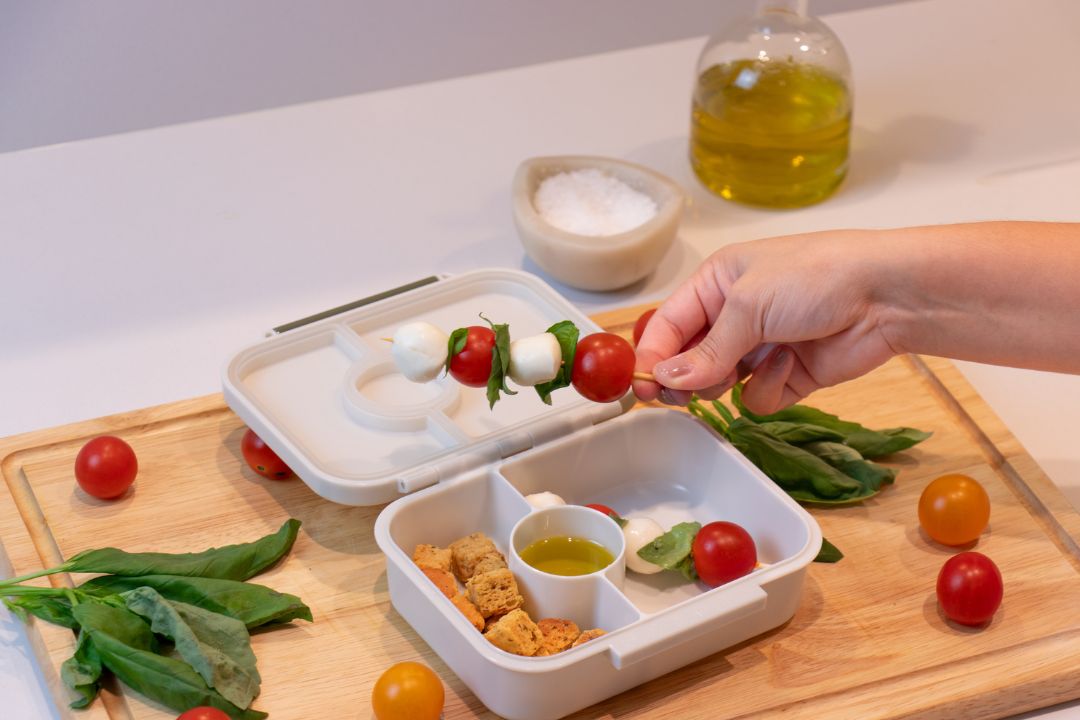
2. Choose modular lunchboxes that grow with your child
Modular lunchboxes with stackable trays or snap-on compartments let you add a layer for extra portions without replacing the whole box, allowing a tray to be swapped instead of the entire container, cutting down on waste and making portions easier to adjust as your child grows. Removable dividers and adjustable portion inserts keep servings visible and consistent; swap or remove inserts to switch from snacks to full meals and quickly spot appetite changes. Using the same inserts over time gives a simple, repeatable way to track growth while keeping packing straightforward.
Interchangeable lids and seals for each module keep wet and dry foods separate and stop leaks if you need to add extra portions, while airtight compartments help food stay fresh until lunchtime. Choose dishwasher-safe materials so extra modules do not add to your cleaning time, and so the set remains hygienic and durable. Plan meals around the modules: use a base tray for sandwiches, a smaller tray for fruit, and a deep module for pasta or warm dishes when your child needs more energy. Let your child help pick which modules to use to build portion awareness, and to make scaling up feel like an easy, everyday step.

3. Pack smarter to reduce food waste and feed growing appetites
Try modular, removable compartments or small stackable pots so you can add or remove portions as appetites change. Check returned, unopened pots to see what was actually eaten. Pack components rather than assembled meals: sandwich halves, sliced fruit, a small pot of dip, and loose salad leaves. This keeps textures fresh, prevents sogginess, and lets children skip items they do not want. Keep dressings and condiments in separate, sealed pots, and use washable wraps or silicone lids with tight seals and an insulated bag so uneaten items retain quality and single-use packaging is reduced.
Alongside modular containers, use simple visual portion cues rather than weighing food: a palm-sized piece of protein, a cupped handful of carbohydrates, and a similar portion of vegetables or fruit. Add removable labels or small icons so the person packing the lunch knows the intended portions. Include a compact, sealed top-up snack in a separate pouch for your child to open only if still hungry, and ask for unopened items to be returned so you can spot appetite patterns. Packing meals in modular containers and keeping components separate makes it easy to scale portions day to day and reduces waste, while giving children a bit of control on more active days. Over time, the combination of modular containers, component packing, and returned snacks builds a clear picture of portion needs and helps cut food waste.
Match portions to your child's appetite with simple visual guides, modular containers, and a quick check of what comes home uneaten. These habits keep food fresh, cut waste, and make it easy to adjust lunch portions as appetites change.
Begin by scaling portions to your child’s appetite, choose modular lunchboxes with separate compartments, and pack items as components rather than mixed together. For a week, note what comes back—whole sandwiches, unopened yoghurt pots, or untouched carrot sticks—and use those clues to adjust portions or swap items. Small changes like smaller portions or different snack options cut waste, save time, and give children more control over what they eat.