

Packing a balanced, appealing lunch that small hands can manage often feels like a juggling act for busy families. How can you scale portions, prevent spills, and offer nutritious variety without spending hours in the kitchen?
This post shares ten practical tips to make packed lunches easier to eat and more likely to be finished: cut food into bite-sized pieces, pack fuss-free proteins, offer veg your kids enjoy, and choose wholegrain options. You’ll also find container and freshness tips, allergy-friendly swaps, batch-cooking ideas to speed up prep, and simple ways to involve children in building their own lunches.

1. Create a balanced lunchbox kids will enjoy and actually eat
Think of each packed lunch as one protein, one carbohydrate, one fruit or veg, and one dairy or healthy fat. Use simple portion cues, such as a palm-sized portion of protein, a cupped handful of veg or fruit, and a small spoonful of spread to keep portions child-friendly. Cut foods into easy-to-grasp pieces — for example, halved grape tomatoes, cucumber sticks, small sandwich squares or mini pancakes — so little fingers can manage food independently. Keeping pieces bite-sized reduces spills, lowers choking risk and helps little ones eat more quickly.
Mix colours and textures to make lunchboxes more appealing. Pair a bright veg like courgette sticks with something soft or creamy, such as yoghurt or hummus, add a crunchy element like oat clusters or toasted seeds, and include a familiar favourite. Use compartments and little pots to protect textures and help with portion control. Keep crisp items separate from wetter foods, seal dips, and pop fragile things on top so nothing goes soggy. Create simple templates with two or three choices per food group, and rotate one item each day with your child to speed up decisions and introduce variety without pressure. Get children involved in choosing and assembling simple bits. It builds independence, cuts down dawdling at lunchtime, and gradually broadens their palate.
Plan balanced, child-friendly lunches with a simple weekly template.

2. Scale portion sizes for little hands
A handy trick is to use your child’s hand as a simple portion ruler: a palm-sized piece of protein, a fist of veg or fruit and a cupped hand of carbohydrates. It grows with them and helps cut down on waste. Cut items into bite-sized pieces and halve round foods to lower choking risk and make them easier for little hands to pick up, for example quarter apples, halved grapes and sausages sliced diagonally. Choose finger-friendly versions of core foods to combine good nutrition with a bit of independence and fine-motor practice, such as mini wholemeal wraps, omelette muffins, courgette sticks and cubed cheese. Pop portions into muffin cups or small pots inside the lunchbox and keep a note of which pots they finish so you can tweak future servings.
Try filling a few small compartments with one- or two-bite pieces rather than offering one large item. That encourages sampling, keeps things interesting and prevents little hands from getting overwhelmed. It also helps balance textures and flavours and makes different foods easier for tiny fingers to mange. Keep a simple note of what works and use the hand-based rule to adjust portions as their appetite and dexterity develop.
Track favourites and plan compartmented lunches in minutes.

3. Cut food into easy, bite-sized pieces for little hands
Cut most items into uniform pieces of about 2 cm, roughly the width of a child’s thumb. Even sizes help little fingers get a secure grip and keep bites small enough to chew safely. Slice round, slippery foods lengthways, and quarter grapes, cherry tomatoes and similar shapes to stop rollable pieces that are harder to control in the mouth. Soften very firm veg or fruit by steaming or blanching until they give to a gentle press, then cut into sticks or coins so they keep their shape while making chewing easier for young jaws.
Shape food into easy-to-pick pieces like short sticks, cubes, pinwheels or small triangles, since edges and corners give little fingers something to grip and rolls help keep fillings tidy. Try a few simple tricks: stabilise round items on the board, remove cores and seeds, and use a small serrated or child-friendly knife. Pack dips separately so children can pick and dunk rather than wrestle with awkward scooping; this cuts down on spills and helps them gain independence. These small adjustments make lunches easier to manage and increase the chances of children feeding themselves with confidence.
Make self-feeding easier with kid-friendly plates and utensils.

4. Pack fuss-free proteins to fuel busy school days
Pick proteins cut or shaped for little hands, such as thick strips of cooked chicken, cheese cubes, halved hard-boiled eggs or mini meatballs to reduce fiddling and speed up eating. Pop spreadable proteins into small pots for dipping, for example hummus, mashed beans or yoghurt-based dips, and include carrot sticks, cucumber or wholegrain crackers. Dipping encourages little ones to feed themselves and helps keep other foods from going soggy. Compact, tactile pieces hold together better and make lunches neater, and packing with little ones in mind increases the chance the food will be eaten.
Make protein bites in batches that are easy to pick up, such as chickpea fritters, egg muffins or small falafel balls, and keep them in the fridge so you can pop a couple into lunchboxes without any extra fuss. Include plant proteins for texture and fibre, for example edamame pods or roasted chickpeas, and only send smooth nut butter if the school’s allergy policy allows it. Balance proteins with a simple carbohydrate, such as a sealed pot of natural yoghurt with fruit, a childproof pot of tinned fish mix, or sliced cheese with oatcakes, to slow digestion and help steadier concentration through the afternoon.
Keep meals organized, warm and leakproof.
5. Offer fruit and veg your kids really enjoy
Make snacks more appealing and practical by cutting vegetables and fruit into finger-friendly shapes, such as apple wedges, carrot sticks, cucumber or courgette rounds, or soft sweet potato batons. Halve grapes and cherry tomatoes to reduce the choking risk and make self-feeding easier. Serve the pieces with small, leakproof pots of plain yoghurt, hummus, mashed avocado or a favourite spread. A dip often encourages little ones to get involved and can boost how much they eat without changing the veg itself. These simple preparations make snacks easier to carry and help children eat more independently.
Offer a mix of textures, colours and temperatures to keep things interesting: crunchy raw veg sticks, soft roasted batons and chilled berries or sliced fruit. Let little ones choose and help prepare the selection. Offer two veg options and one fruit, ask them to wash or arrange pieces or let them pick shapes, because involvement increases ownership and repeated exposure builds acceptance. Fold veg into familiar formats small hands can hold, for example grated courgette or carrot in savoury muffins, grated beetroot in pancakes or blended veg stirred through pasta sauce. Encountering veg in ways they already enjoy helps children accept them without a fuss.
Plan easy, compartmented lunches kids can pack themselves.

6. Include wholegrain, fibre-rich carbs to keep kids full and energised
Swap refined carbs for wholegrain favourites like wholemeal bread, brown rice, wholegrain pasta, oats or barley. Shape portions into sandwich fingers, rice balls or little pasta pots so little hands can pick them up. Mix grains with a handful of grated courgette and a drizzle of olive oil to keep textures moist and separate, making them easier for younger children to scoop and chew. Give firmer wholegrain bread a quick toast to help it resist squashing, spread with mashed avocado, hummus or soft cheese, then slice into thin strips for easy gripping.
Try offering bite-sized wholegrain snacks such as oat and mashed banana balls, mini wholegrain pitta pockets or wholegrain crackers filled with fruit purée, portioned into small containers to encourage independent eating. Pair each serving of fibre-rich carbs with a protein and a veg to steady blood sugar and keep little tummies fuller for longer. For example, toss wholegrain pasta with flaked fish and peas or roll a wholemeal wrap with chicken, salad and a smear of hummus. These small, mixed portions are easy for little hands to manage and provide steady energy from fibre and protein.
Pack balanced wholegrain meals in one organised box

7. Choose safe, sustainable containers to keep lunchbox contents organised
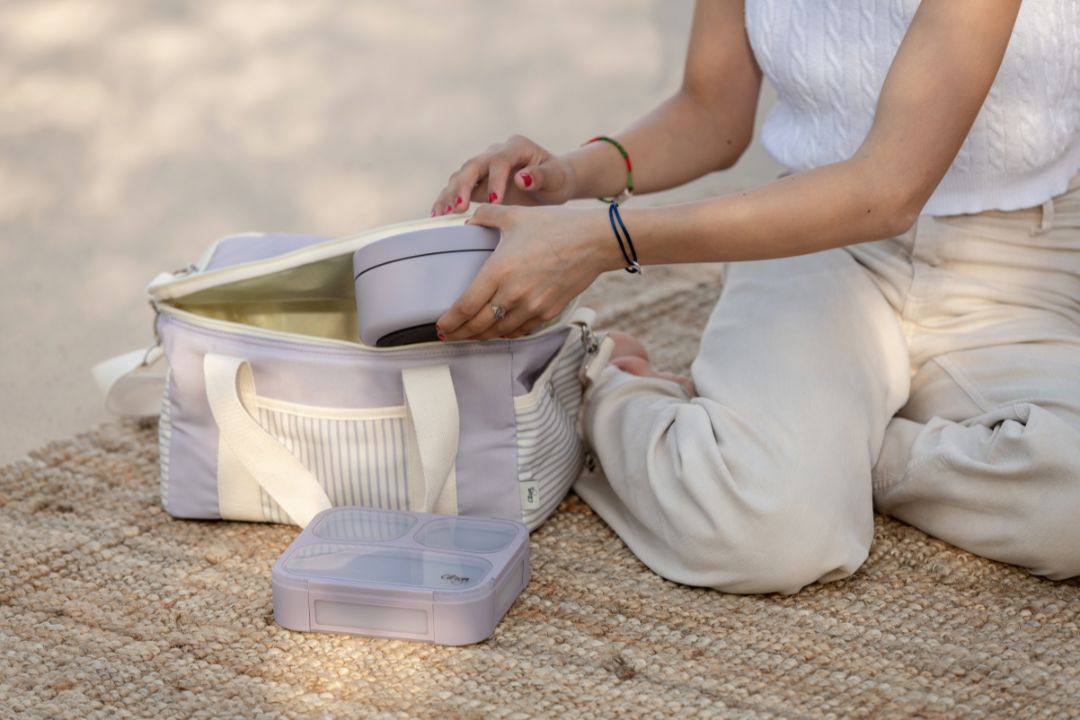
Pick lightweight, durable materials such as stainless steel or food-grade silicone. They stand up to knocks, resist stains and do not wear down in a way that can release microplastics from some hard plastics. Choose lunchboxes with simple, single-handed closures and shallow, wide compartments so little hands can open them and reach food independently. Try a few designs to find one that suits your child’s grip and coordination; these choices reduce mealtime frustration and make independent eating easier.
Try multi-compartment, leakproof containers or modular boxes to keep wet and dry items apart, prevent soggy lunches and visually teach portion balance. Swap disposable bags for reusable wraps, silicone pouches or beeswax wraps, and roll sandwiches or cut fruit into hand-sized pieces so little fingers can manage them. Label lids with name, contents and reheating notes using waterproof pens or removable tags, stack heavier items at the base, and add a non-slip liner so children can unpack lunches without spills. These simple habits speed up packing, reduce waste and help children learn to assemble balanced meals independently.
Pick a leakproof, four-compartment box for independent lunches.

8. Keep packed lunches fresh, tasty and spill-proof for busy school days
A handy tip for packed lunches: a small insulated pot slows temperature change, keeping yoghurt or soup safe and spill-free. Let hot food cool slightly before sealing to avoid condensation that can make food soggy. Freeze a compact reusable bottle or a gel pack to use as a cooler; as it softens it can double as a drink or a soft cushion, helping items stay put in the lunch box.
Pick containers with wide mouths, simple closures and tactile grips so little hands can open them easily. Test seals at home by filling pots with water and turning them upside down to check for leaks before they go in the lunchbox. Pack wet and dry items separately: put dressings, dips and chopped fruit in screw-top pots or silicone cups, and keep crackers, toast and crisp veg in their own compartment or a paper bag so they stay crunchy. To prevent sogginess, blot juicy fruit and salads with kitchen paper, wrap sandwiches in parchment or a breathable wrap, and use separate liners or small pots to stop flavours and moisture mixing.
Keep meals separate and hot with an insulated, leakproof set.

9. How to adapt packed lunches for fussy eaters and food allergies
Try safe, tested swaps for common allergens, such as replacing nut butters with seed spreads or mashed avocado, and choosing dairy-free yoghurt alternatives. Keep original packaging or ingredient lists with packed lunches so carers and school staff can check for hidden ingredients. If a child has a history of severe reactions, involve the school and a healthcare professional and make sure everyone follows the child’s medical action plan. To prevent cross-contamination use separate, clearly labelled containers, wash utensils between foods, pack allergy-free snacks in a designated compartment and encourage your child not to share food so safeguards are visible and respected.
Adjust texture and presentation to suit your child’s tastes. Try grating courgette into muffins, mashing fruit into pots, toasting bread for a bit of crunch, or serving deconstructed meals so a fussy eater can choose the components. Small, familiar textures often encourage first tastes, and offering tiny, neutral portions regularly can help increase acceptance over time. Pair one new item with two trusted favourites and include a dip or a pot of yoghurt to make trying something different feel less daunting. Involve your child in choosing and preparing food — let them pick a fruit, spread sandwich fillings, or arrange the compartments, because ownership makes them more likely to eat what they have helped prepare.
Separate foods and pack dips to prevent cross-contamination.

10. Speed up meal prep with batch cooking and get kids involved
Try batch-cooking a few versatile bases you can mix and match, such as plain rice, pasta, roasted courgette, boiled eggs and simple protein pots, and portion each into single-portion containers so assembling different lunches takes hardly any extra work. Use silicone muffin tins or small pots to portion bulk bakes, label each with a sticker or a simple icon, and keep grab-and-go stacks at the front of the fridge so little hands can help. Freeze single portions of pancakes, blended soups and casseroles flat on a tray, transfer them to bags once frozen, and defrost in the fridge or an insulated lunchbox to preserve texture and nutrients while you build a lunch quickly.
Try giving each child one safe, age-appropriate task during batch-cooking sessions, for example stirring the batter, tearing salad leaves or threading fruit onto blunt picks. Offer child-safe knives so they can practise basic cutting skills and feel proud of the food they helped make. Set up a simple assembly station with prepped components, child-sized containers and visual portion guides showing a thumb-sized portion of protein, a cupped handful of veg and a fist-sized carbohydrate. Rotate the components to keep choices interesting and stick to the same routine so small hands learn to assemble independently. This approach cuts down last-minute chopping, speeds up morning routines and builds practical skills that make healthy lunches easier to keep up with.
A handy rule for a balanced, easy-to-manage lunchbox is to include a palm-sized portion of protein, a cupped handful of veg or fruit, a fist-sized carbohydrate and a small spoon of dairy or healthy fat. Cut everything into bite-sized pieces that little hands can manage. About 2 cm is a good guide. Simple tricks, such as halving grapes, packing dips separately and using leakproof compartments, help reduce spills, lower choking risk and make it easier for children to feed themselves.
Batch-cook proteins such as shredded chicken, beans or tofu and portion them into child-sized pots. Combine these with wholegrain carbs and rotate the vegetables each week. Involve the children in assembling their lunches to speed up prep and boost their confidence. Make one change at a time and note which pots are finished first; over time you will cut waste, broaden their tastes and make back to school lunches much easier to manage.