

If packing the same sandwich, yoghurt pot, and crisps every week leaves you short of ideas, you are not alone. Many parents juggle fussy eaters, limited time, and the pressure to offer something nutritious and appealing without extra effort.
These ten low-effort swaps show how small changes, from choosing familiar favourites and changing how you prep them to adding simple dips, contrasting textures, and batch-cook shortcuts, introduce more variety and help fussy eaters give new foods a go. Try a few ideas to reduce waste, save prep time, and make lunchtime one less thing to worry about on busy back to school mornings.

1. Set small, realistic goals for fussy eaters
Try starting with small, measurable goals. Ask for one tiny taste or a single forkful each time, and tick attempts on a simple chart so you can watch progress. Check acceptance after several exposures, since familiarity often grows through repetition. Offer one new item alongside a favourite or a familiar texture to give a comfortable option and an easy point of comparison. When you introduce change, alter only the shape, seasoning, or presentation so you can spot which tweak helps, then repeat what works.
Give your child choice and ownership by offering two pre-selected options, letting them help assemble their lunch, or inviting them to name a new snack. Small choices often make children more willing to try new foods. Offer low-pressure invitations to taste, model eating the food yourself, and skip the cajoling so your child feels safe rather than pressured. Expect gradual progress: repeated, pressure-free exposure often increases acceptance, so celebrate small wins and change only one thing at a time.
Plan simple, choice-filled lunches with a printable weekly template.

2. Build a balanced lunchbox to keep little ones full and nourished
For busy parents, use a simple plate template to build a balanced lunchbox: a palm-sized portion of protein, a fist-sized portion of wholegrains or starchy veg, and two handfuls of colourful fruit and veg. Pair a reliable protein with a fibre-rich side to slow digestion and help children feel fuller for longer. Try yoghurt with berries and oats, hummus with carrot sticks, or sliced chicken with apple. Sensory variety boosts satisfaction, so add contrasting textures and flavours, such as crunchy seeds, juicy fruit segments, or a small smear of nut butter, to make smaller portions feel more complete.
Make small swaps and do a little prep to keep lunches varied without extra work. Try swapping crisps for roasted chickpeas, choose seeded wholegrain wraps over white bread, stir thawed berries into yoghurt, or keep a tub of mixed, ready-cut veg for quick assembly. Pack for convenience and food safety by using an insulated bag or container for temperature-sensitive items, storing dips and dressings separately to preserve texture, and including a compact ice pack when transporting dairy or cooked protein. Taken together, these simple swaps, handy pairings, and practical packing steps boost nutrition and help children feel fuller for longer, without adding much to your morning routine.
Keeps meals separated and chilled for fuss-free, balanced lunches

3. Swap lunchtime staples for family favourites that need minimal prep
Swap thinly sliced cold meats for torn leftover roast chicken, flaked tinned tuna, or slices of hard-boiled egg. They need no extra chopping, add a different texture, and, being protein-rich, often keep little ones feeling fuller for longer. Replace sandwich slices with a wrap, pitta pocket, or rice paper roll to change the texture and presentation, and to allow wetter fillings such as hummus, grated carrot, or grated courgette without sogginess. Small substitutions refresh familiar lunchbox favourites without adding extra prep.
Quick swaps that keep the crunch but add staying power: instead of a small bag of crisps, try roasted chickpeas, popcorn, or a mix of toasted seeds and oat crackers. They give the same texture, plus fibre and protein to slow digestion and reduce mid-afternoon hunger. Pair whole fruit with a simple accompaniment, for example apple slices with seed butter, grapes with cheddar cubes, or clementine segments with plain yoghurt for dipping — these balance sweetness and add variety with almost no extra effort. Swap flavoured yoghurt tubs for plain yoghurt stirred with a spoonful of jam or stewed fruit and a sprinkle of granola, or pack veg sticks with a small pot of hummus or cottage cheese for a savoury option. Each idea takes seconds to assemble, but changes texture, flavour, and how long the snack keeps little tummies satisfied.
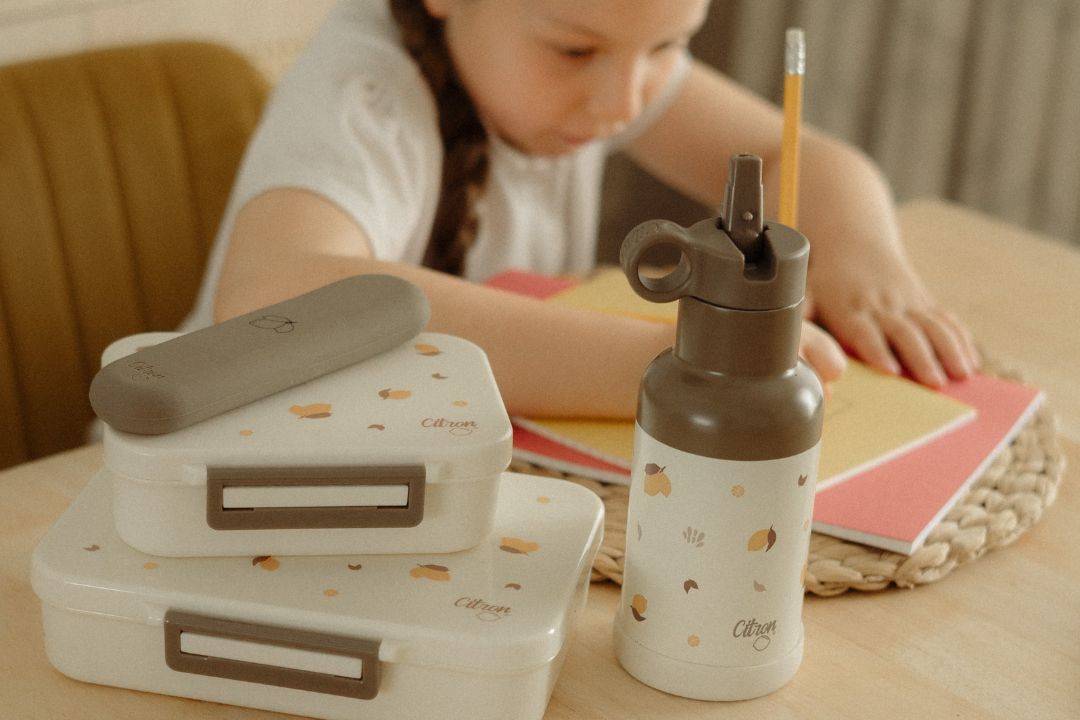
Keep packed lunches fresh with insulated storage.
4. Use textures, shapes, and colours to boost appeal
Choose a rainbow of colours, for example orange carrot batons, purple grapes, green cucumber ribbons, and yellow pepper strips. Visual variety suggests novelty and often helps children try new foods. Refresh familiar ingredients by changing their shape: slice sandwiches into pinwheels, cut fruit into rounds or wedges, use small cutters for stars and hearts, or spiralise courgette so the same components feel new. Mix textures by pairing creamy yoghurt or hummus with crunchy roasted chickpeas, crisp rice cakes, or raw veg, and aim for one crunchy, one soft, and one juicy element to make each bite varied and satisfying.
Try layering and short picks to add interest with minimal prep. Stack tortilla roll-ups, layer fruit over yoghurt in a clear pot, or thread alternating colours on short silicone picks to show variety. Short picks, tightly packed ingredients, and clear containers keep options visible and invite tasting. Keep safety front of mind: choose blunt-ended picks, avoid long skewers, and cut items into bite-sized pieces for the eater. These small swaps refresh packed lunches, encourage little ones to try different foods, and ease mealtime monotony.
Keep colourful bites organised for easy tasting.

5. Make lunches tastier with easy, kid-friendly dips and flavour boosters
Stir-through yoghurt dips work well when you mix plain or Greek yoghurt with a fruit purée for sweet dipping, or with chopped herbs, grated garlic, and lemon zest for savoury options. Keep a ratio of about three parts yoghurt to one part flavouring so the dip stays creamy, not runny, and vegetables remain crisp. Offer basic hummus, or blend it with roasted red pepper or beetroot for colour, and use sunflower seed butter thinned with a little yoghurt or mashed banana as a nut-free spread and dippable alternative.
Brighten salads, pasta, or couscous with a dusting of citrus zest and a sprinkle of finely grated hard cheese, such as cheddar or parmesan, for a dry, portable savoury boost. Keep a tiny pot of mixed dried herbs, smoked paprika, or mild chilli flakes, plus a small bottle of olive oil infused with garlic or herbs. A light dusting or a few drops can transform the flavour. Turn store cupboard items into quick sauces: mash avocado with a forkful of yoghurt and a squeeze of citrus for a creamy spread, or stir tinned tomatoes with mixed herbs for a simple salsa. Portion these into small lidded pots, label each pot with ingredients and common allergens, and store in the fridge so you can swap and pack quickly while keeping flavours separate.
Keep dips fresh with a leakproof sauce pot.

6. Batch-cooking shortcuts to turn leftovers into quick family meals
Roast a large tray of mixed veg, then use the batch across the week: toss veg into salads, fold it into wraps, stir it through omelettes, or blitz it into a chunky dip to add flavour and bulk without extra cooking. Shred leftover roast chicken, cooked pulses, or tofu, then mix with yoghurt, a little mustard, lemon juice, and chopped herbs for a creamy filling that brightens sandwiches, tops crackers, or is spooned over grain bowls for a different texture. Freeze concentrated stock, sauces, or pesto in ice cube trays; drop a single cube into soups, rice, or pan sauces for an instant flavour boost and to cut waste.
Turn mashed potato, cooked rice, or grated courgette into patties or fritters by binding with an egg and a little flour, then pan-fry or crisp in the oven from chilled or frozen for a portable, reheatable lunch. Portion the batch-cooked bases into grab-and-go containers, pack a separate pot of dressing or pickles, label each one, and move the oldest to the front so you use it first. For example, serve a potato patty with hummus and sliced cucumber one day, then a rice fritter with a quick tomato salad the next. These small steps help you assemble varied meals from the same batch, reduce food waste, and save time on busy mornings.
Pack batch meals into leakproof compartments with insulated jar.

7. Swap snacks for smarter treats that still feel special
Swap individually wrapped sugary snacks for a protein-plus-carb combo. Try a small pot of natural yoghurt topped with a few berries and a sprinkle of granola. Pairing protein with carbohydrate slows blood-sugar spikes and keeps energy steadier than sweets alone. Replace crisps with crunchy, shelf-stable alternatives that travel well, such as roasted chickpeas or oven-baked courgette chips packed in a small tub. These options provide more fibre and protein, and they stay crunchy even after being jostled in a bag. Present fruit in a new format to change texture and boost uptake without extra cooking time: frozen grapes or banana slices, apple wedges dusted with cinnamon, or a mixed fruit salad pot.
Try single-serve pots of dip with easy dippers, for example hummus with carrot and pepper batons, cottage cheese with oatcakes, or mashed avocado with rice cakes. Dips make simple ingredients feel special, help boost veg intake, and encourage independent eating. Add small homemade bakes that hide extra fibre or veg, such as mini courgette muffins or flapjacks made with rolled oats and mashed banana. Freeze and thaw them as needed so they stay grab-and-go. These swaps mimic treat textures, keep crunch and appeal after transit, and let you control sweetness and fibre while keeping lunchboxes varied with minimal extra effort.
Keep dips separate and lunches fresh on the go.

8. Pack and present lunches to save time and cut food waste
Batch-portion versatile ingredients into reusable containers and compartment boxes so mornings become assembling, not cooking. Pre-portion veg, cheese, hummus, and grains to cut single-use packaging and to mix and match lunches from the same components. Present food in bite-sized, colourful pieces, and pack dips separately; children are more likely to try new items this way, and research links this approach to less uneaten food and lower waste. Keep dressings, sauces, and fragile toppings in small reusable pots to preserve texture and prevent soggy sandwiches, which are often discarded. Altogether, the routine makes mornings calmer and lunches more appealing for little ones.
Try multi-use packing tools, such as compartment boxes, stackable pots, and cloth wraps that double as napkins, to cut disposables, simplify organisation, and speed up daily packing. Label containers with the contents and a short serving or reheating note, for example 'reheat 30s' or 'serve cold', to make choices quicker, avoid duplicates, and make leftovers more likely to be eaten. Together, these small habits add variety to lunchboxes without extra morning work and reduce the amount of food thrown away.
Pack portioned lunches quickly using a leakproof bento.

9. Choose practical, sustainable lunchware and simple helpers for packed lunches
Choose durable, easy-care containers. Stainless steel lasts for years and is widely recyclable, glass is inert so it will not react with acidic foods like tomatoes or citrus, and food-grade silicone gives helpful flexibility for odd-shaped snacks. Look for wide mouths and rounded corners so you can fill and wash them quickly, and always test lids on a full container before you rely on them for the school run to make sure they seal securely. Swap single-use film for reusable wraps and bags. Beeswax or washable cotton wraps work well for sandwiches and cheese, and silicone zipper bags are handy for snacks and chopped fruit. Wash wraps and bags gently in cool water to help preserve coatings, and avoid using the same wrap for raw meat to reduce any contamination risk. A small kit of durable containers and reusable wraps can cut single-use waste and keep lunches fresh, with very little extra effort.
Use simple portion and separation helpers, such as silicone muffin cups, small reusable dividers, or stackable pots that collapse or nest for compact storage while keeping flavours apart. Choose stackable, lightweight lunchware with secure closures that fit most rucksacks or lunch bags, and pick dishwasher-safe materials to cut cleaning time and make reuse more likely. Keep a small kit of practical helpers—a compact reusable cutlery set, an insulated flask for soups or hot meals, flexible frozen ice packs that mould to containers, and a narrow bottle brush—to simplify packing and extend the life of your lunchware.
Keeps soups hot and meals separate on busy days.

10. Build routines, offer choices, and gently encourage independence
Try a simple lunchbox framework: one protein, one carbohydrate, and one fruit or veg. Choose three favourite options for each category and rotate them so variety comes from swapping elements rather than inventing new recipes. That reduces decision fatigue and helps children settle into a familiar structure with small changes. Within clear boundaries, offer two or three vetted choices for each category to give children some autonomy while you retain control of nutritional balance. Use visual cues, such as a checklist, colour-coded themes, or a jar of quick-swap ideas, to make morning decisions faster. When you want to expand the menu, introduce one new item at a time to keep changes manageable.
Invite little ones to take simple, hands-on roles, such as washing fruit, assembling a wrap, or choosing a sandwich shape. Participation builds ownership, and children are often more willing to try foods they helped pack. Model tasting and offer neutral prompts like "Would you like to try a bite?" rather than giving commands; this lowers resistance and sparks curiosity. Praise effort rather than outcome, and notice small wins, such as an extra mouthful or a new taste, to reinforce gradual change. A predictable routine, limited choices, visual cues, hands-on involvement, and gentle encouragement add variety and help foods feel familiar, without complicating your morning.
Small, practical swaps, such as roasted chickpeas instead of crisps, adding a simple dip, or batch-cooking a protein, can refresh lunches with minimal extra effort and reduce waste. Research shows pairing protein with fibre helps kids feel full for longer, and offering varied textures, shapes, and colours makes food more appealing to fussy eaters.
Treat the numbered headings as a handy checklist: set realistic goals, build a balanced template, swap shapes and textures, add flavour boosters, repurpose leftovers, and pack smart to make variety a routine. Try one small change and involve your child; over a week or two you may notice neater lunches, less waste, and steadier energy in the afternoon.